Harare residents are up in arms over the destruction of sections of the Monavale, Meyrick Park wetlands, accusing land developers of illegally clearing protected areas that form part of the city’s main water source.
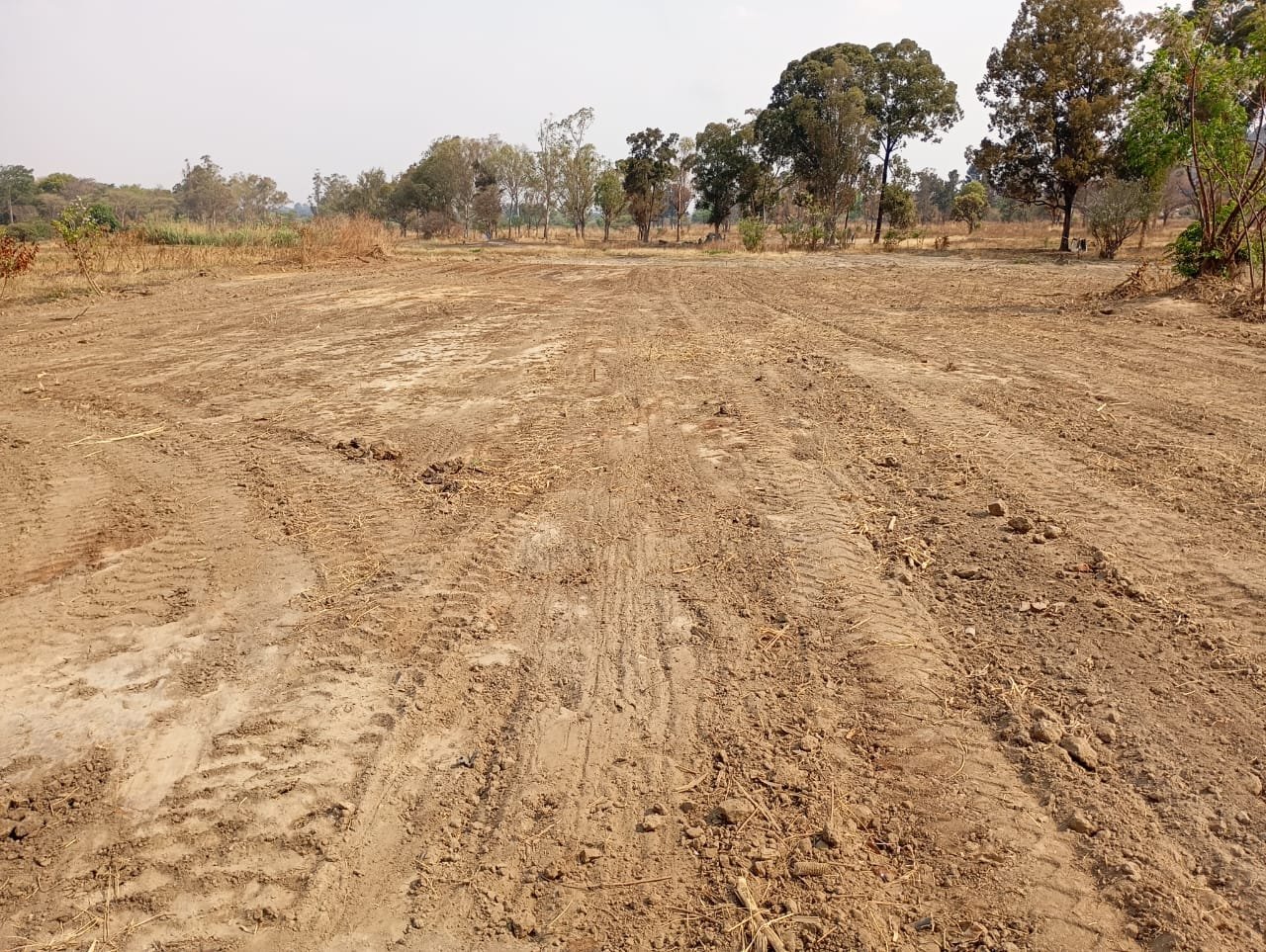
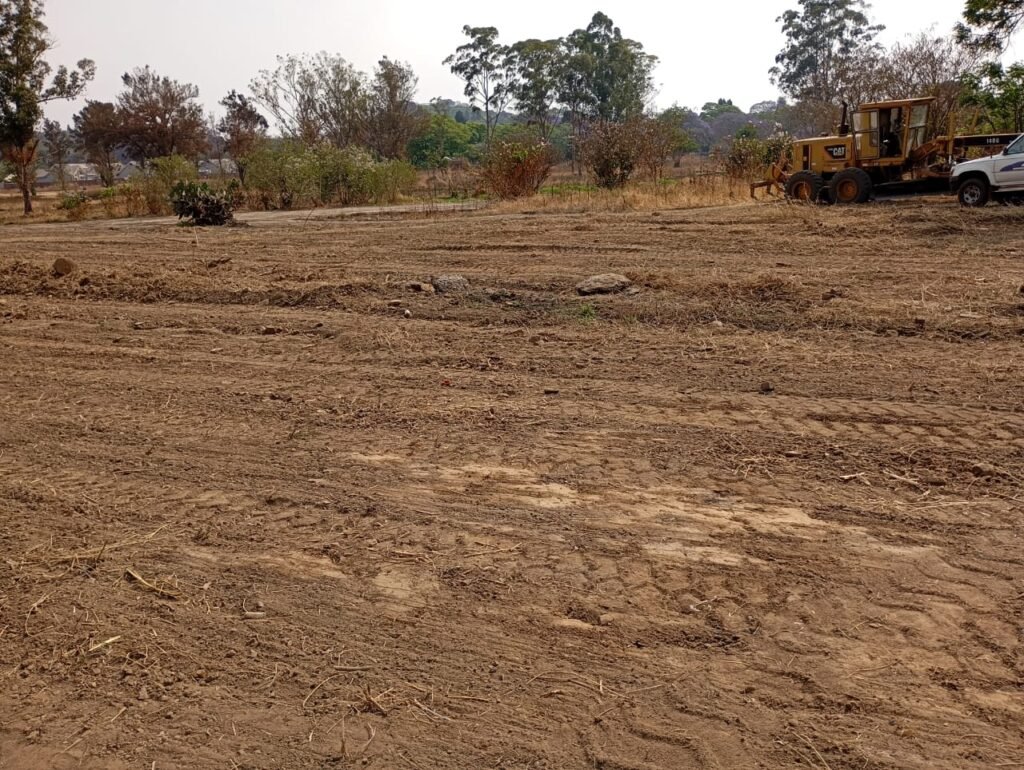
The uproar follows the sighting of graders clearing large portions of land within the Monavale Wetland Ramsar Site last week, an area internationally recognised for its environmental importance.
The development comes barely months after Zimbabwe hosted the Ramsar COP15 Conference in Victoria Falls, where it pledged to protect its wetlands. The country currently holds the Ramsar Convention presidency for the next three years.
The Environmental Management Agency (EMA) confirmed it had fined a developer, identified as Mr Shadreck Tiripano of TripTrans, for violating section 97(2) of the Environmental Management Act. Despite the penalty, clearing reportedly continued, prompting a police response and the temporary detention of two workers.
Investigations have revealed that around 11 hectares of the Monavale Wetland were allegedly allocated to Cablemail (Pvt) Ltd in 2021 through a Deed of Grant from the Ministry of Local Government.The spaces that are currently being cleared for development include a portion of the lower holes of the Sherwood Golf Course and the adjacent wetland along Quendon Road.
Julia Pierini. Birdlife Zimbabwe Chief Executive Officer warns that if destruction continues unchecked, Zimbabwe risks losing this internationally recognised wetland, a vital source of water for Harare.
“Monavale Wetland Ramsar Site is under siege from development on this Government gazetted Ecologically Sensitive Area. It is extremely worrying. If left unchecked, we will lose this nationally and internationally recognised wetland and Ramsar Site,” she said.
Headwater wetlands like Monavale are essential for water supply, purification, and temperature regulation, forming the city’s natural infrastructure. With Harare already facing a severe water crisis, protecting these ecosystems is critical to sustaining urban life.
“We are already in a water crisis. We must, at all cost, halt development on these ecologically sensitive headwater wetlands to be able to continue to benefit from their ecosystem services.”
Despite Zimbabwe, as president of the Ramsar Convention, has pledged to safeguard its wetlands following the COP15 summit in July 2025, coordination across ministries remains weak. Pierini called for a united, whole-of-government and whole-of-society effort to halt the destruction and secure the country’s wetlands before it’s too late.
“We hosted the Ramsar COP15 in Victoria Falls in July 2025 and as Zimbabwe hold the presidency of the convention for the next three years. The Ministry of Environment, Climate and Wildlife are committed to looking after our wetlands. But it appears other Ministries are not yet onsides and are working in silos eg. the Ministries of Local Government (and local authorities), Mines and Agriculture.”
“We urgently need a whole of Government and whole of society approach to save our wetlands. Time is of the essence. We need to act now,’ she added.
Conservationist Dorothy Wakeling described the destruction of part of the Monavale Wetland as “devastating,” warning it represents a major loss for biodiversity and water supply.
“Seeing the grader scraping away a portion of the Monavale Wetland this week was utterly devastating,” she said.
Having managed the area for 25 years, she urged authorities to restore the damaged sections, stressing that Harare’s densification policy will worsen water shortages if wetlands disappear.
“We know what we are losing in terms of the wetland biodiversity from having managed Monavale Vlei for the past 25 years, it is an immense loss to water provisioning and nature”
She called for a sustainable, win-win solution to ensure water security for all.
“However, this graded area of wetland (and all headwater wetlands) must be retrieved and then it can be restored for water provisioning for all. The policy of the City of Harare is densification. Where will the extra water come from when the wetlands have gone? The existing population already struggles to find water. It is possible to seek a win-win solution for water for all.”
Briggs Bomba condemned the illegal seizure of community land by land barons and urged collective action to protect the Monavale Wetland, calling it a vital part of Harare’s ecological heritage.
“As the Sherwood community, we are outraged by the wanton grabbing of community commons by land barons. We have been at the forefront of resisting illegal land invasions in the surrounding area, including attempts by land barons to encroach onto the golf course and wetland spaces.”
“We call on the whole community to join the fight for the preservation of the Monavale Wetland ecosystem, which forms part of our shared ecological heritage of Harare.”
Harare’s wetlands, including those feeding Lake Chivero, are vital for water supply, purification, groundwater replenishment, and flood control, but they are under threat from urbanisation and illegal land use, worsening the city’s water crisis. Clearing and development are destroying these ecosystems, raising key concerns about the destruction of wetlands, lack of transparency, breaches of Zimbabwe’s Ramsar Convention commitments, and increased water stress.