


A wetland, a football pitch and a community refusing to give up
Every afternoon, as the clock edges towards 4:30 p.m., young men begin gathering on a…
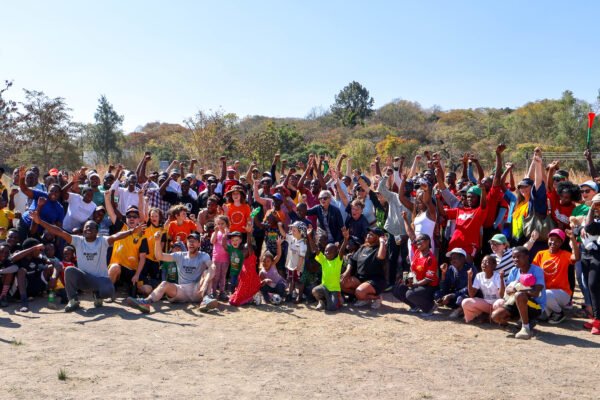
Every afternoon, as the clock edges towards 4:30 p.m., young men begin gathering on a football pitch carved into the Monavale Wetland on the western edge of Harare. For years, the ground has been a meeting place for residents, a recreational space for young people and, for many, a refuge from the pressures of everyday…
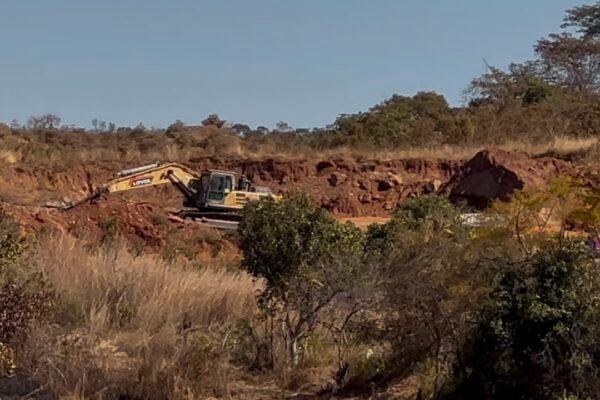
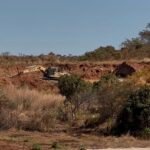
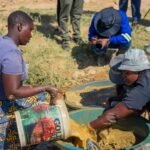
Zimbabwe’s vast reserves of lithium, platinum, chrome and coal have placed the country at the centre of the global race for minerals needed to power electric vehicles and renewable energy systems. Yet concerns are growing that communities living in mineral-rich areas are bearing the costs of extraction while receiving few of its benefits. At the…
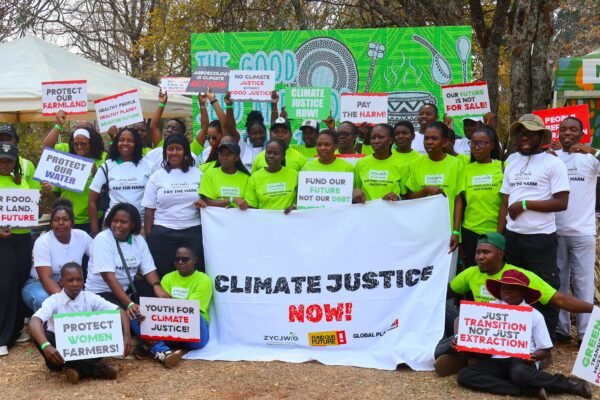
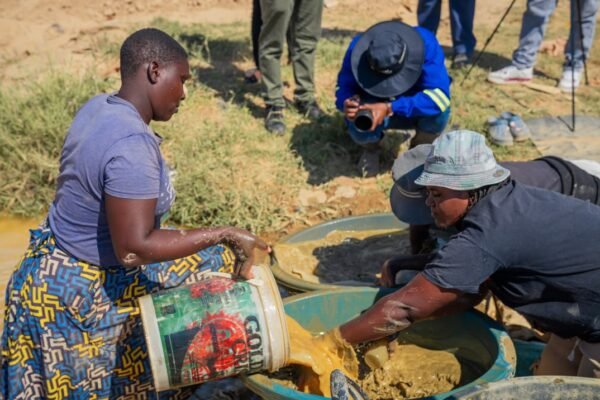
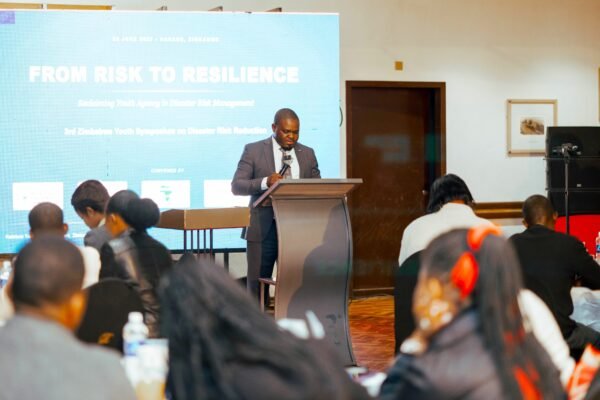
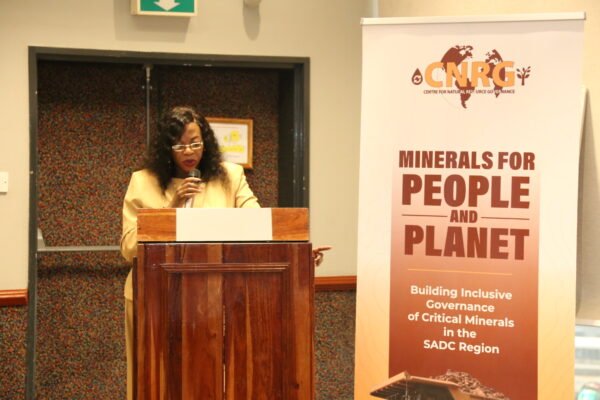
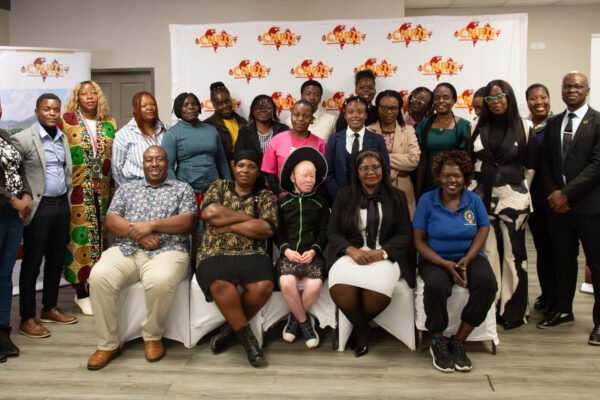
Women from mining-affected communities across Zimbabwe called for stronger protections of land rights, water resources and community participation in the country’s growing critical minerals sector at the Women in Critical Minerals Summit 2026 held in Harare. The two-day summit, organised by the Centre for Natural Resource Governance (CNRG Zimbabwe), brought together women leaders, community representatives,…
In the early morning light, the Monavale Vlei Wetland still breathes. Reeds, grass sway above shallow water channels. Birds cut across the skyline. The ground beneath the grass remains soft and waterlogged despite the dry season creeping into Harare. For decades, the wetland has quietly performed the work most residents in other parts of Harare…
As uncertainty deepens around global climate financing, Zimbabwe is increasingly looking inward to fund its response to the climate crisis, with officials pushing for a new National Climate Fund designed to mobilise domestic and international support for adaptation efforts. The proposed fund, which sits at the centre of the country’s draft Climate Change Management Bill,…
When government delegations met in Belém last year, the conversation extended beyond emissions targets and climate finance. For the first time, countries formally acknowledged the growing threat of climate disinformation and misinformation in shaping climate action. The Declaration on Information Integrity on Climate Change, signed by more than 15 countries, marked a turning point. It…
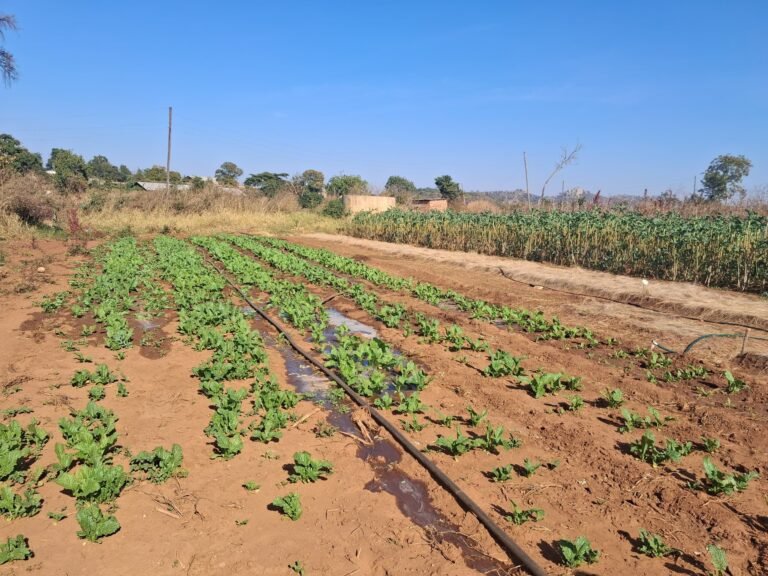
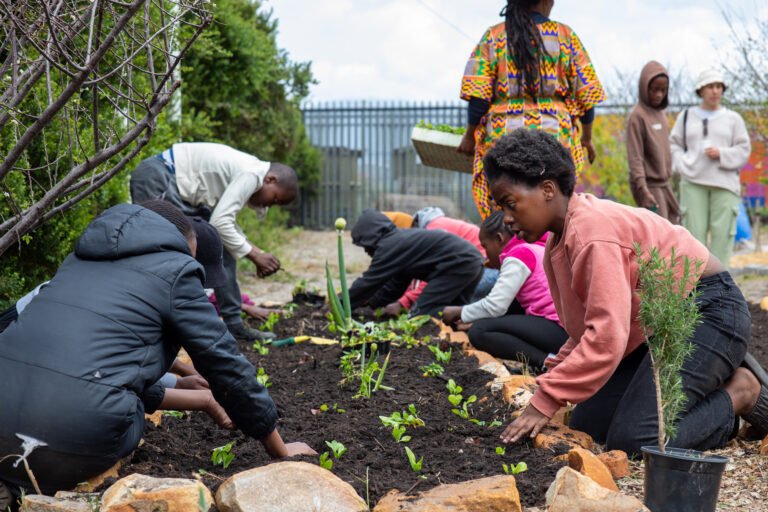
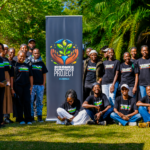
In Zhanje Village in Dema on the outskirts of Harare, the future of farming is being reimagined in small spaces, not vast commercial fields, but homesteads, backyards and shared community plots. For many of the young farmers in the Seeds of Change project, agriculture once felt distant. Limited access to land and water meant traditional…
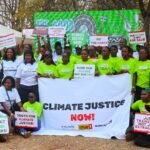
Campaign groups have renewed criticism of Total Energies as the Africa Cup of Nations (AFCON) gets under way, accusing the energy company of using its sponsorship of the tournament to improve its public image amid concerns over environmental and human rights impacts linked to its operations in Africa. Magamba Network and the Kick Polluters Out…
The government has ruled that no building or land clearing is allowed on wetlands without a full Environmental Impact Assessment approved by the Environmental Management Agency. Local councils are barred from selling or approving land on these sites, and illegal structures may be removed. Environment Minister Evelyn Ndlovu has officially declared mapped wetlands as protected…
Zimbabwe-based creative civic organisation Magamba Network launched UKWELI, an African-led guide aimed at countering climate disinformation, which it described as a growing threat to climate action on the continent. The digital resource was unveiled during a virtual webinar that brought together climate activists, researchers, fact-checkers, journalists and policy advocates from across Africa. Magamba Network said…