For millions of Africans, the climate crisis is not only about rising temperatures, droughts or extreme weather. It is also about whether they can switch on a light, cook a meal or power a small business.
Across a continent where more than 600 million people still lack reliable access to electricity, campaigners are increasingly framing energy poverty as a climate justice issue, arguing that Africa’s transition to cleaner energy must also address deep inequalities in access and affordability.
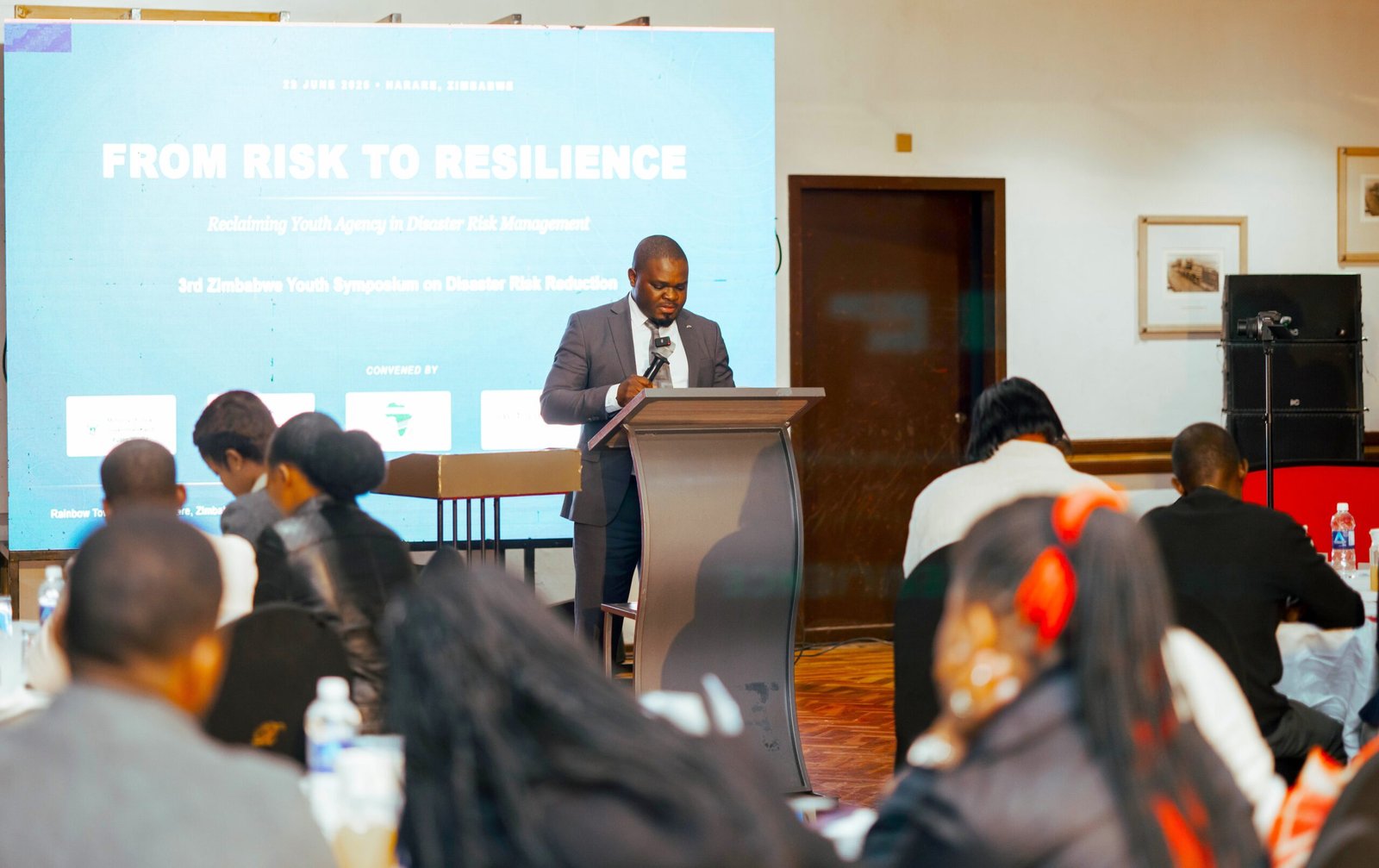
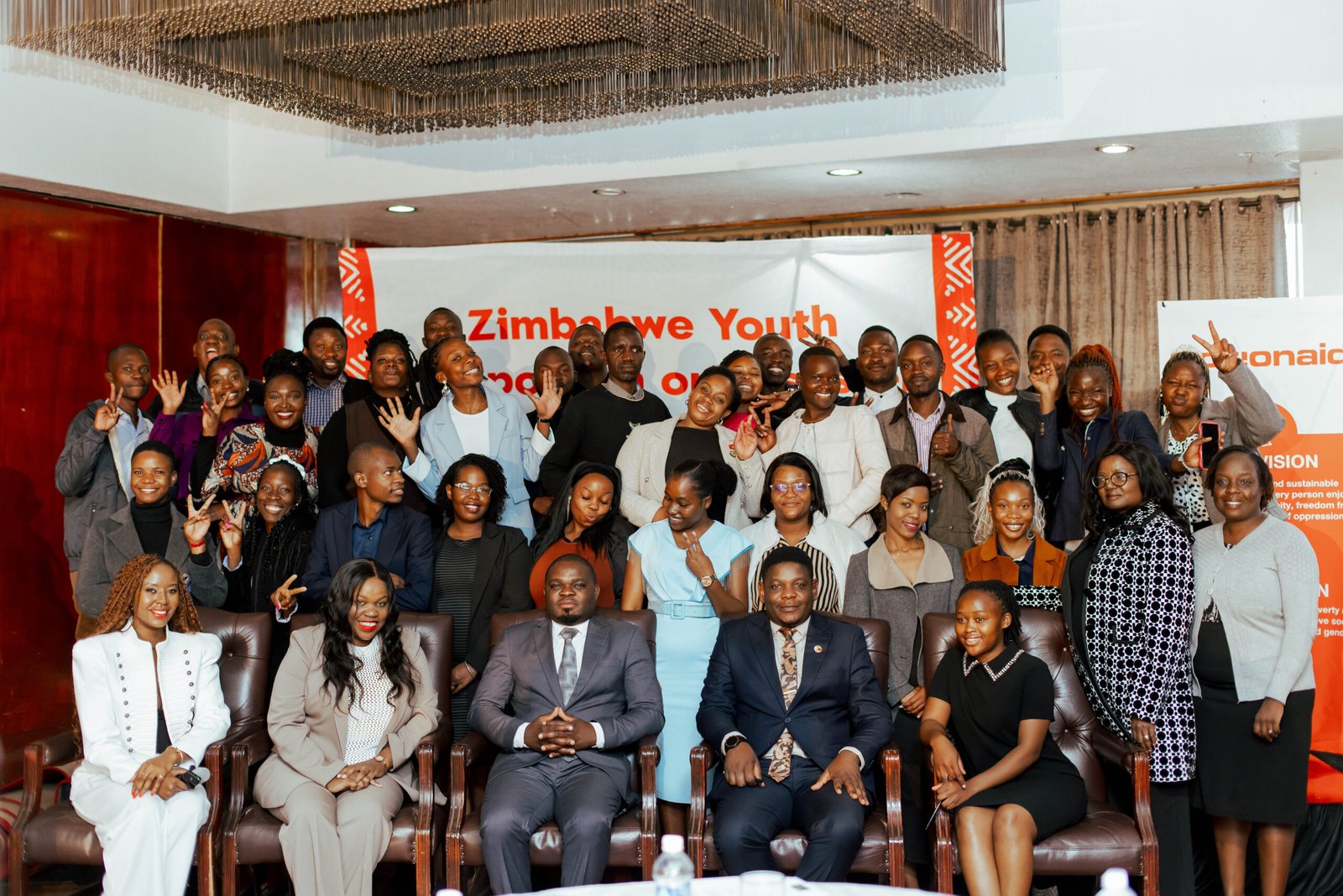
That message was at the centre of activities organised in Zimbabwe by the Sisonke Climate Justice Project with support from Global Platforms and Magamba Network during the global “Kick Polluters Out” Week of Action.
The events formed part of Afrika Vuka Week, a continent-wide mobilisation bringing together civil society organisations, youth movements and climate justice advocates from more than 15 African countries.
Under the theme “Energy Affordability”, the campaign calls for a shift towards decentralised, subsidised and community-led renewable energy systems aimed at improving access for households, transport and small-scale production.
Sisonke Climate Justice Project representative Trust Chikodzo said the campaign was intended to place ordinary citizens at the centre of Africa’s energy transition.
“We’re just trying to reimagine what the green future can look like on our terms as the ordinary working class,” he said.
The call comes at a time when many African countries face a difficult balancing act. Governments are under pressure to expand electricity access, create jobs and industrialise while also responding to the growing threat of climate change.
Campaigners argue that renewable energy offers an opportunity to address both development and environmental challenges, particularly if investments are directed towards community-owned and affordable systems rather than large-scale projects that fail to reach those most in need.
“We are part of the ‘Afrika Vuka Week’ which is part of a global week of action that is taking place. So the idea behind this is to popularise the need for us to shift towards people-powered renewable energy systems that allows every ordinary citizen to afford energy in whatever form. It could be energy for transportation, it could be energy for cooking, it could be energy for production,” Chikodzo said.
The movement is also targeting what it sees as the disproportionate influence of major polluting industries on global energy systems.
“What we are here to do is to demand for people-powered renewable energy systems and to kick polluters out, especially big polluters that are wreaking havoc across communities, companies that are destroying the environment and altogether you know just trying to target these big possible companies that are making record profits because of the chaos that’s happening, because of the conflict that’s happening for example with US-Iran,” he said.
In Zimbabwe, supporters of the campaign point to government efforts to increase independent power generation and encourage local processing of critical minerals as signs that a green transition is already beginning to take shape.
“We’re trying to popularise the need for us to shift towards solutions that work for the people. Here in Zimbabwe, I mean we’re already seeing that in action,” Chikodzo said.
“The green transition is already happening. We’re seeing how the government is trying to lead in terms of banning lithium exploitation so that we process local minerals here. They’re also installing independent power plants that are meant to supply extra energy on the grid.”
Yet campaigners say infrastructure alone will not solve Africa’s energy challenges. They argue that affordability remains one of the biggest barriers preventing households and small businesses from accessing clean energy technologies such as solar power.
As a result, they are calling on governments to remove taxes and import duties on renewable energy equipment, measures they believe could significantly reduce costs for consumers.
For young activists involved in Afrika Vuka Week, the transition is also about employment and economic opportunity.
“The ideas are there but us as young people, we’re just there to help them, to nudge in the right direction on where we need to be as young people and how we need to be involved in these emerging green economies and how we can be gainfully employed and also the overall opportunities that come with just being a part of a just and green transition that is not anchored on fossil fuels,” Chikodzo said.
“So we are here to call for renewable energy and to make sure that Africa awakes. That’s why we are a part of the Africa Vuka Week.”
Policy discussions across the continent continue to emphasise expanding electricity access while meeting climate targets, with governments balancing investment needs, subsidy pressures and infrastructure constraints.
Campaigners argue that energy access should be treated as a basic necessity, with calls in several countries to reduce taxes and import duties on solar technologies to make clean energy more affordable.
The week of action also included community engagement sessions examining energy costs, waste management, climate finance transparency and the role of youth in energy planning.