In the early morning light, the Monavale Vlei Wetland still breathes.
Reeds, grass sway above shallow water channels. Birds cut across the skyline. The ground beneath the grass remains soft and waterlogged despite the dry season creeping into Harare.
For decades, the wetland has quietly performed the work most residents in other parts of Harare never saw, storing water, filtering it, reducing flooding and sustaining biodiversity in a rapidly expanding city.
But last week, the sound of birdsong was interrupted by graders.
Heavy machinery rolled onto parts of the Ramsar-protected wetland in Harare’s western suburbs, carving pathways through fragile ground as surveyors prepared land reportedly earmarked for residential stands linked to members of parliament.
For residents who have spent years watching wetlands disappear beneath concrete, it felt like another line had finally been crossed.
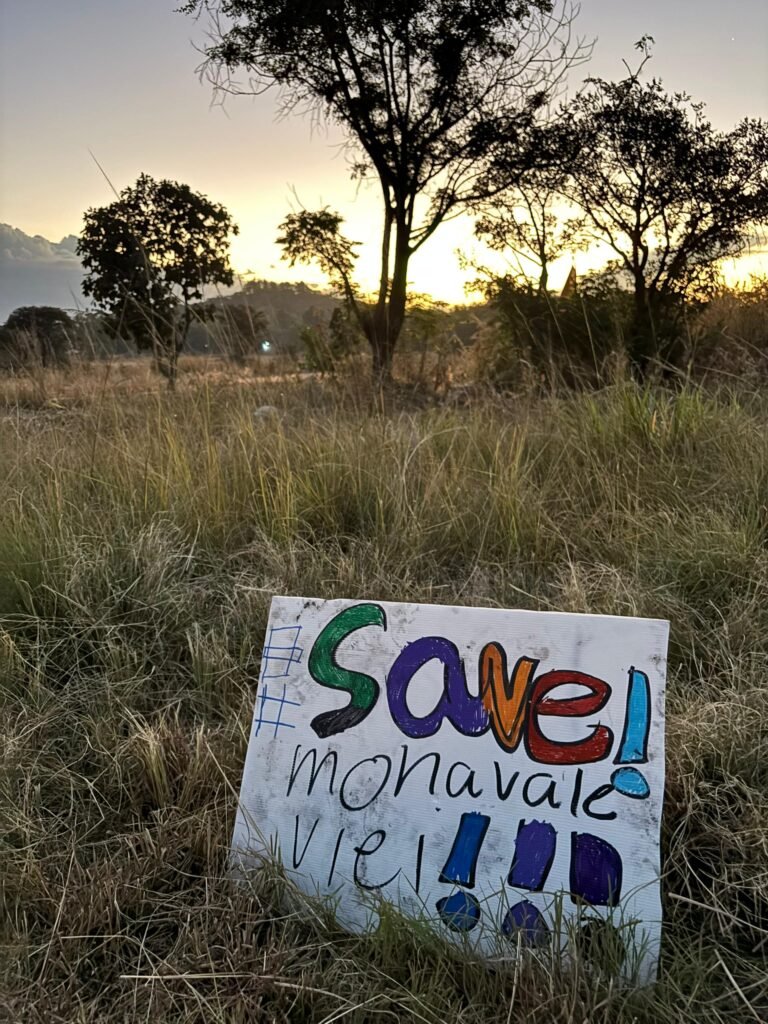
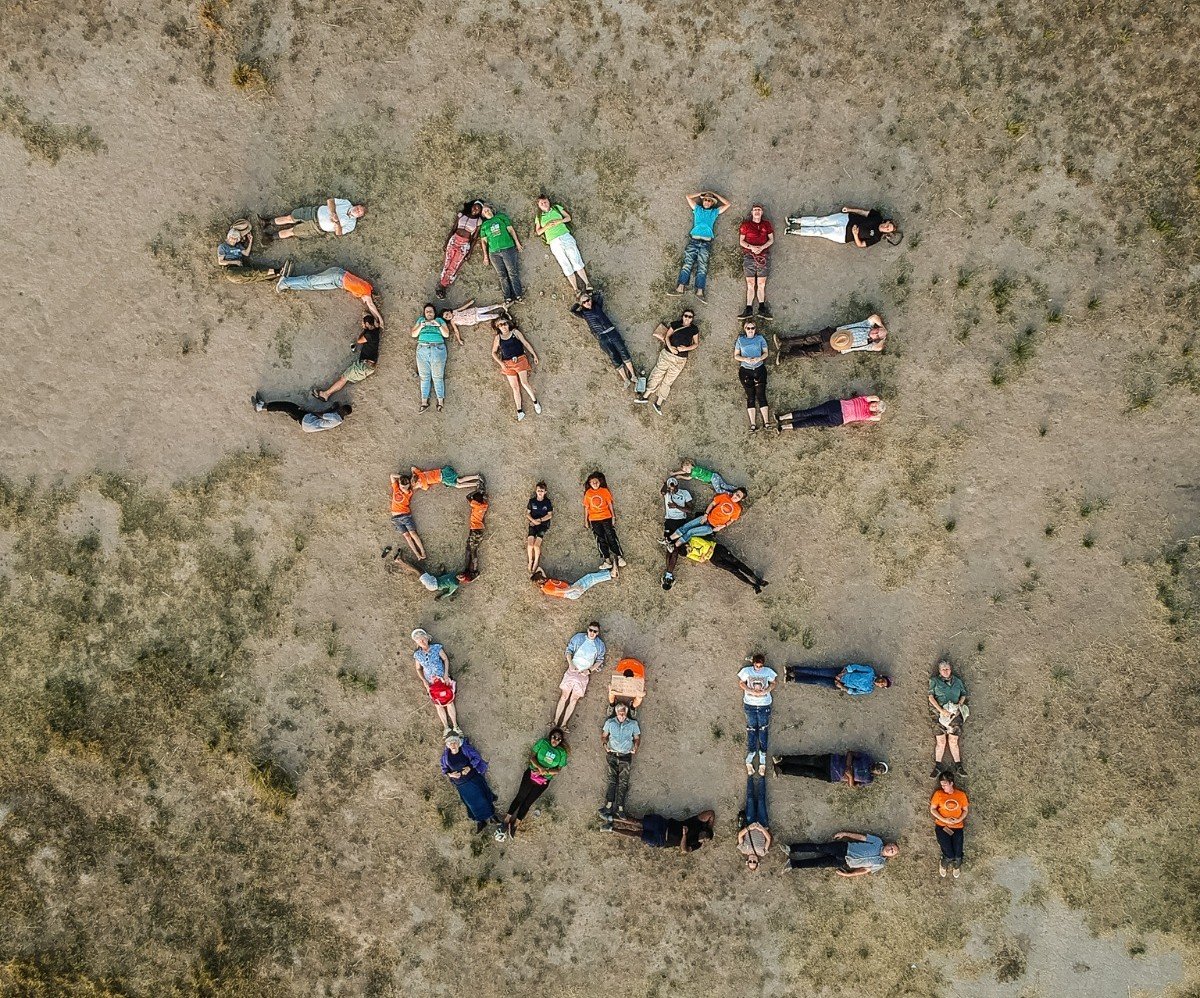
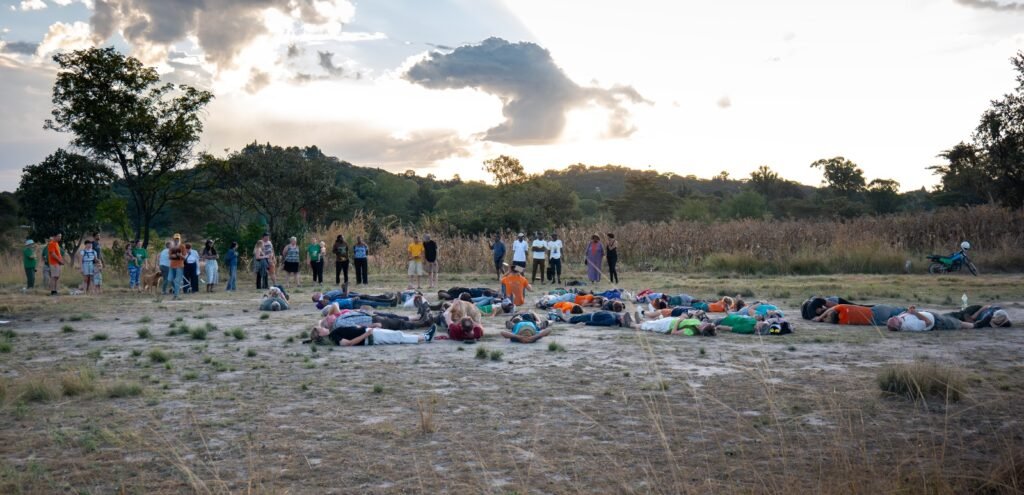
On Sunday, residents and environmental activists laid their bodies across the freshly graded land, forming the words “Save Our Vlei” in an act of civil resistance that quickly spread across social media and forced a public response from government officials.
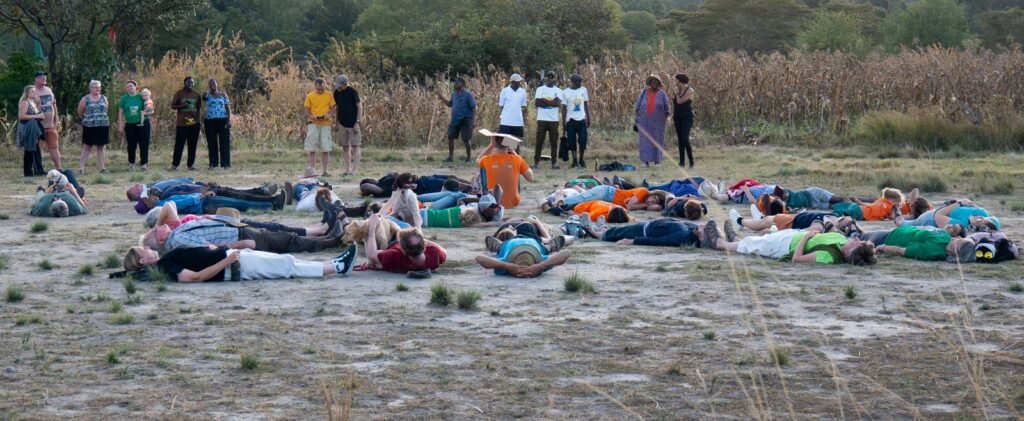
What began as a local confrontation over land allocation has since evolved into a wider national debate about environmental governance, political accountability and the future of Harare itself.
“This is one of the most important ecological spaces left in the city,” said Jonathan Fernandes, a Monavale resident who has become one of the public faces of the campaign.
“I have two little girls and we spend hours walking through this wetland looking at birds and learning about nature.”
“I’m thinking of my kids, anyone should be thinking of their kids, their grandkids. If we don’t look after these spaces, if we concrete them over, we lose the future of the city in its very existence,” he said.
“I’m sure many of you are already buying water, and that’s a tragedy, because we’re not looking after our resources. And these are common sense things, resources give life. If you’re a believer, if you believe in a creator, you’ll understand how disturbing that creation leads to absolute destruction. It leads to, it’s poor thinking, short-sightedness on the part of some of our leaders who are not protecting these spaces,” he added.
The wetland forms part of the Marimba River system feeding into Lake Chivero, Harare’s main water source. Environmentalists describe it as a living sponge, absorbing rainwater during wet months, slowly releasing it during dry periods and helping stabilise groundwater systems increasingly strained by climate change, population growth and urban sprawl.
The wetland also hosts hundreds of plant and animal species, including rare birds protected under international environmental agreements.
Yet despite its protected status, Monavale has repeatedly come under pressure from developers, land barons and politically connected interests.
Residents say the latest grading is only the newest chapter in a long-running struggle.
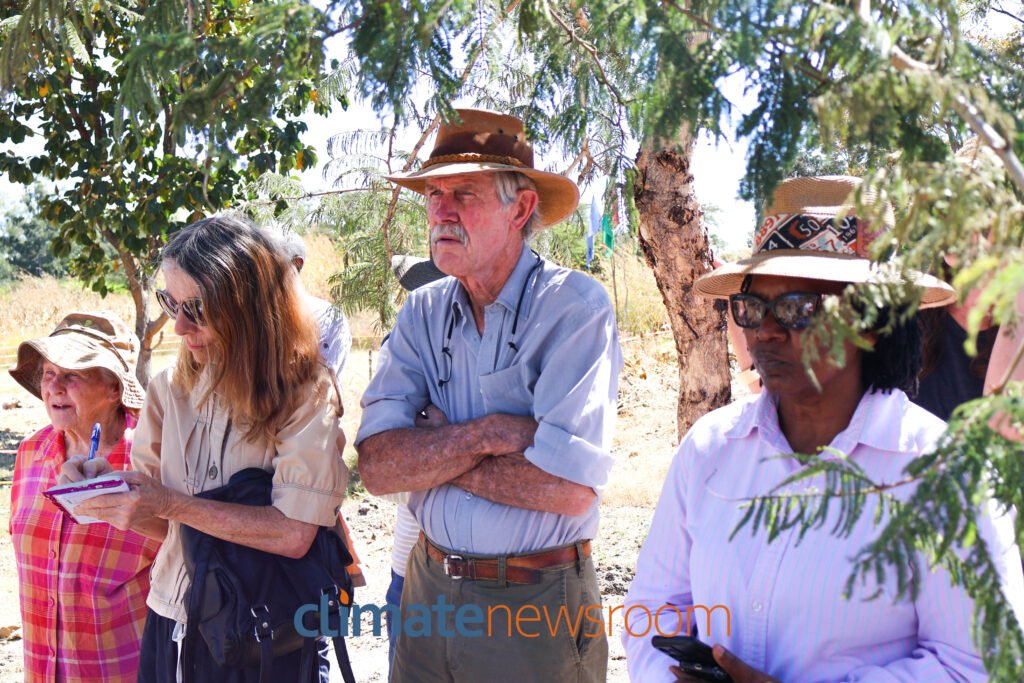
“It can be disheartening. ,” said Kate Bridges, another Monavale resident.
“It’s hard to be in a space that you know is incredibly valuable for the whole future of Harare. An ecological asset and then to watch month to month different developers and land barons try and grab pieces of the land.”
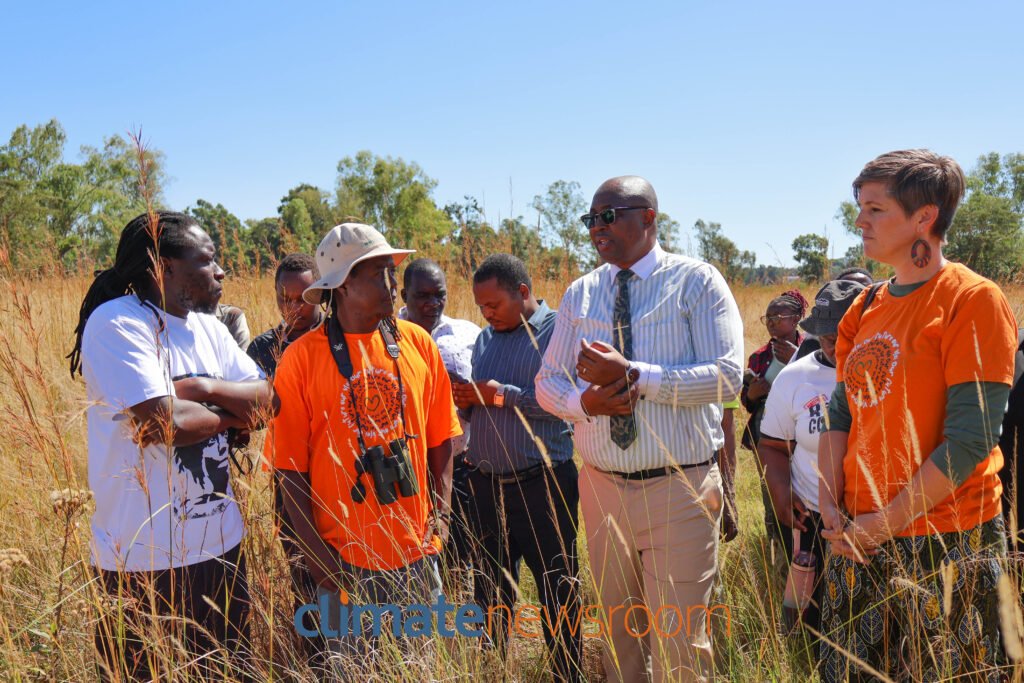
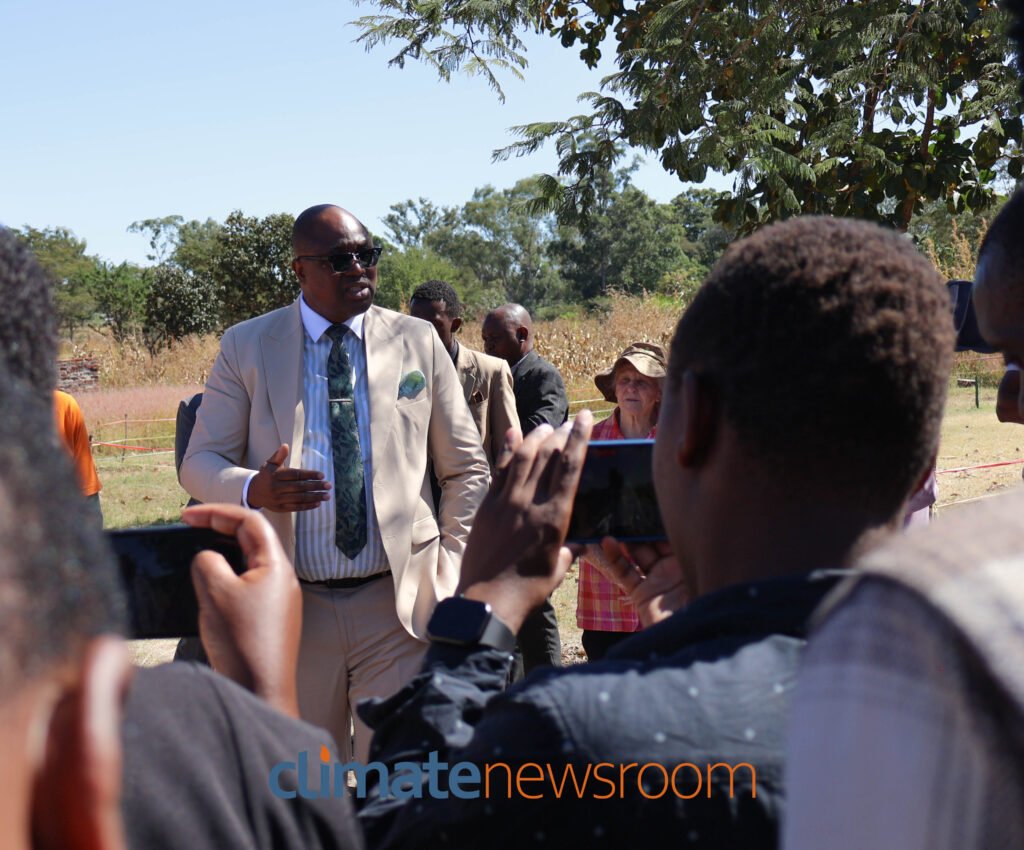
The confrontation intensified after Engineer Tafadzwa Muguti, Secretary for Presidential Affairs, publicly intervened and declared that the allocations had not been approved through formal government channels.
“A gazetted area is not different from a game park. You do not touch it,” Muguti said during a visit to the site.
“This development is not on the list of the stands that have been approved. We want the members of parliament to work through the speaker’s office. We want members of parliament not to engage local authorities directly because this is not how we are doing things as a government.”
His comments marked a rare public rebuke directed at lawmakers allegedly connected to the allocations. Muguti said 26 members of parliament would be required to explain how they acquired the land and confirmed investigations had been launched into the role played by government ministries and the Environmental Management Agency (EMA).
“This is going to be reversed,and those 26 members of parliament will have to answer to their parliament, to the speaker of the parliament,how they got allocated the stands as a group and not through the proper channels that we have been following.”
“On the government side we have initiated an investigation into the ministries involved, even into EMA. How did we get to this position in a gazetted area?”
The remarks were welcomed cautiously by campaigners, many of whom have grown deeply sceptical after years of environmental destruction across Harare’s wetlands.
The city has lost significant portions of wetlands to housing developments, shopping centres and industrial projects over the past two decades, often despite environmental warnings and legal challenges.
To residents, Monavale has become symbolic of something larger than a single development dispute.
It represents a test of whether environmental protection laws in Zimbabwe still hold weight when confronted by political and commercial interests.
Legal practitioner Doug Coltart believes current protections remain too weak.
“We do have a legal framework which is there currently, which does provide some protection.”
“My view is that the current legal protections that we have need to be strengthened. There needs to be a review of all environmental legislation to ensure that the protection of wetlands is even more robust than it currently is,” he said.
At the centre of public anger is EMA itself.
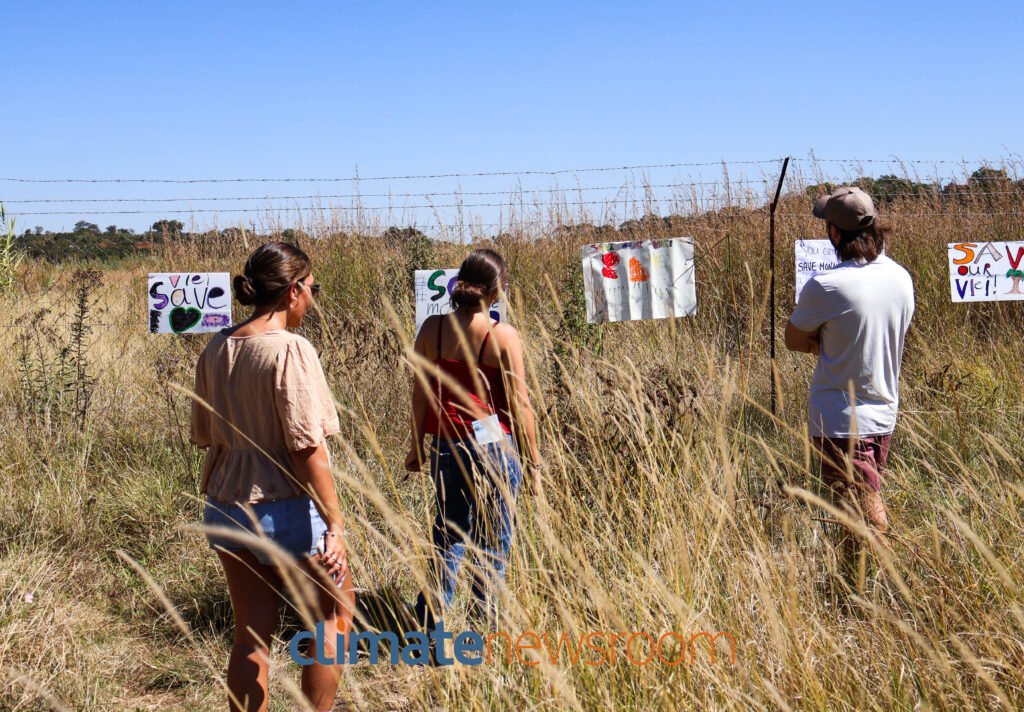
The grading is just one of many attempts to develop parts of the Monavale Wetland. Building on decades of community activism to protect the wetland, residents launched a new initiative called the #SaveMonavaleVlei Campaign in November 2025 to respond to a fence erected across the confluence of the Avondale Stream and the Little Marimba River.
The fence – erected by Millblue Investments Pvt Ltd – encloses 32 hectares of Ramsar protected wetland. EMA had approved an Environmental Impact Assessment (EIA) Certificate for an “eco tourism project” within the Ramsar site without consulting the surrounding communities.
Zimbabwe is a signatory to the Ramsar Convention, the global treaty governing wetland conservation. Government officials have frequently spoken about climate resilience, biodiversity protection and sustainable development on international platforms.
Yet on the ground, residents say wetlands continue to be treated as vacant land waiting for construction.
“What are we going to tell the world when we are seen destroying the same wetlands we pledged to protect?” Muguti asked.
The question hangs heavily over Monavale Vlei.
Standing behind newly graded earth, Kate pointed to the damaged sections of the wetland and urged that promises to protect such spaces must be followed by concrete action. .
“But as you can see, we have got a graded area behind us here, which is an ecological asset and that shouldn’t be happening. So we want to see words translate into action.,” she said.
For now, authorities say development has been halted and investigations are ongoing. But residents know the struggle is unlikely to end with a single government intervention.
Across Harare, wetlands remain under pressure from developers seeking land in a city where demand for housing continues to collide with fragile environmental systems.
At Monavale, however, residents say something important has shifted. Moira Jack, who joined residents in solidarity over the Monavale Vlei, said the latest mobilisation marked a turning point in a long-running struggle to protect wetlands from development.
She noted that many such ecosystems have already been lost to construction, questioning the priorities behind continued building on sensitive land.
“I do definitely think that us taking action is finally good. We’ve lost so many wetlands already to building and the government and people who aren’t in the government for stuff that we don’t need when all the biodiversity needs to be protected and it affects so many people and the water tables and the wildlife.”
“So I think that it’s really good that we’re finally stepping up and doing something about it.”
The protests have transformed a local conservation battle into a national conversation about power, land and survival in a warming, water-stressed city.
And as the sun sets over the reeds and shallow pools of Monavale, the wetland remains standing, bruised, contested, but not yet lost.