Zimbabwe is preparing to replace its 37-year-old Civil Protection Act with a new Disaster Risk Management (DRM) Bill, a legislative reform that aims to transform the country’s approach to disasters from emergency response to risk prevention and resilience building.
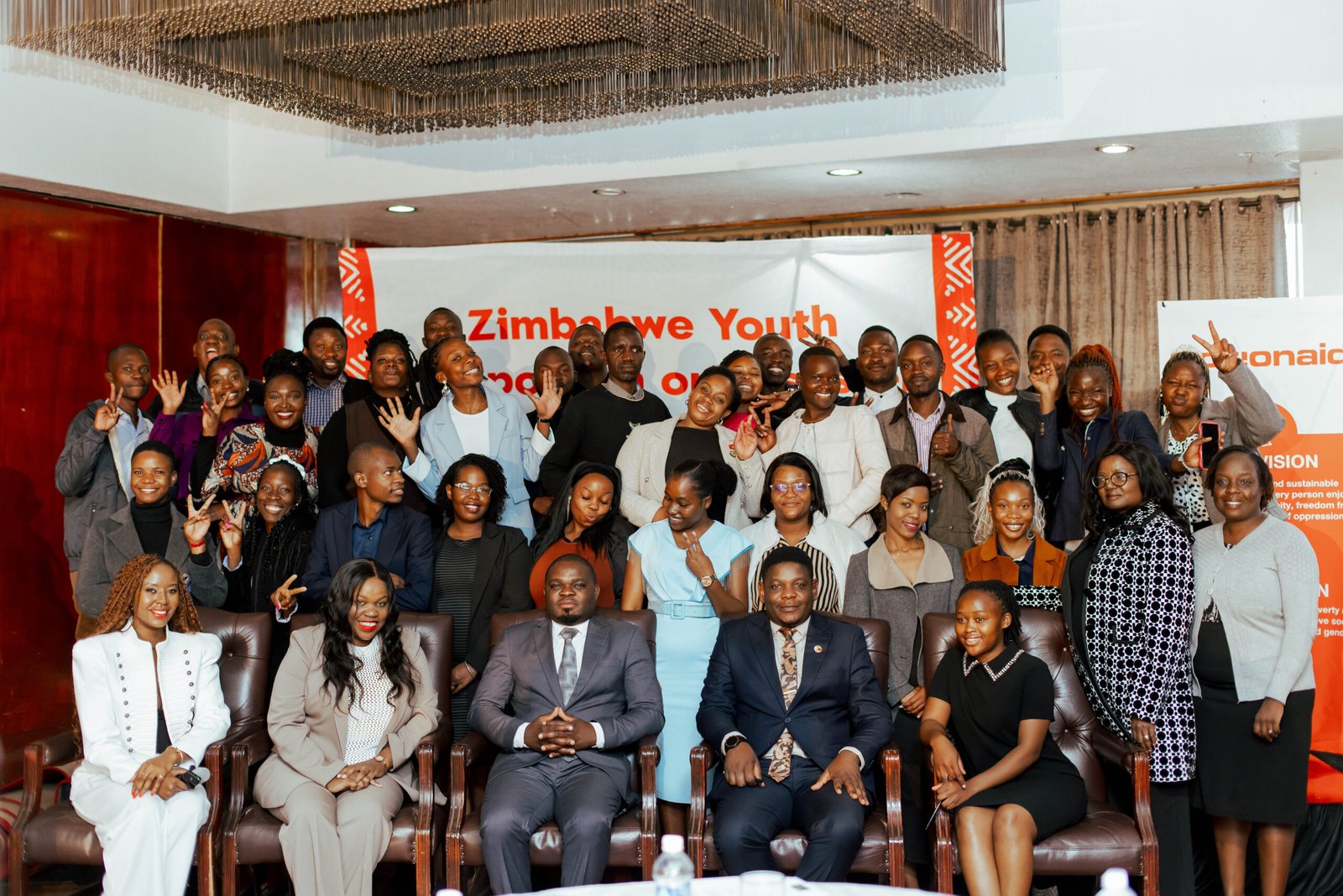
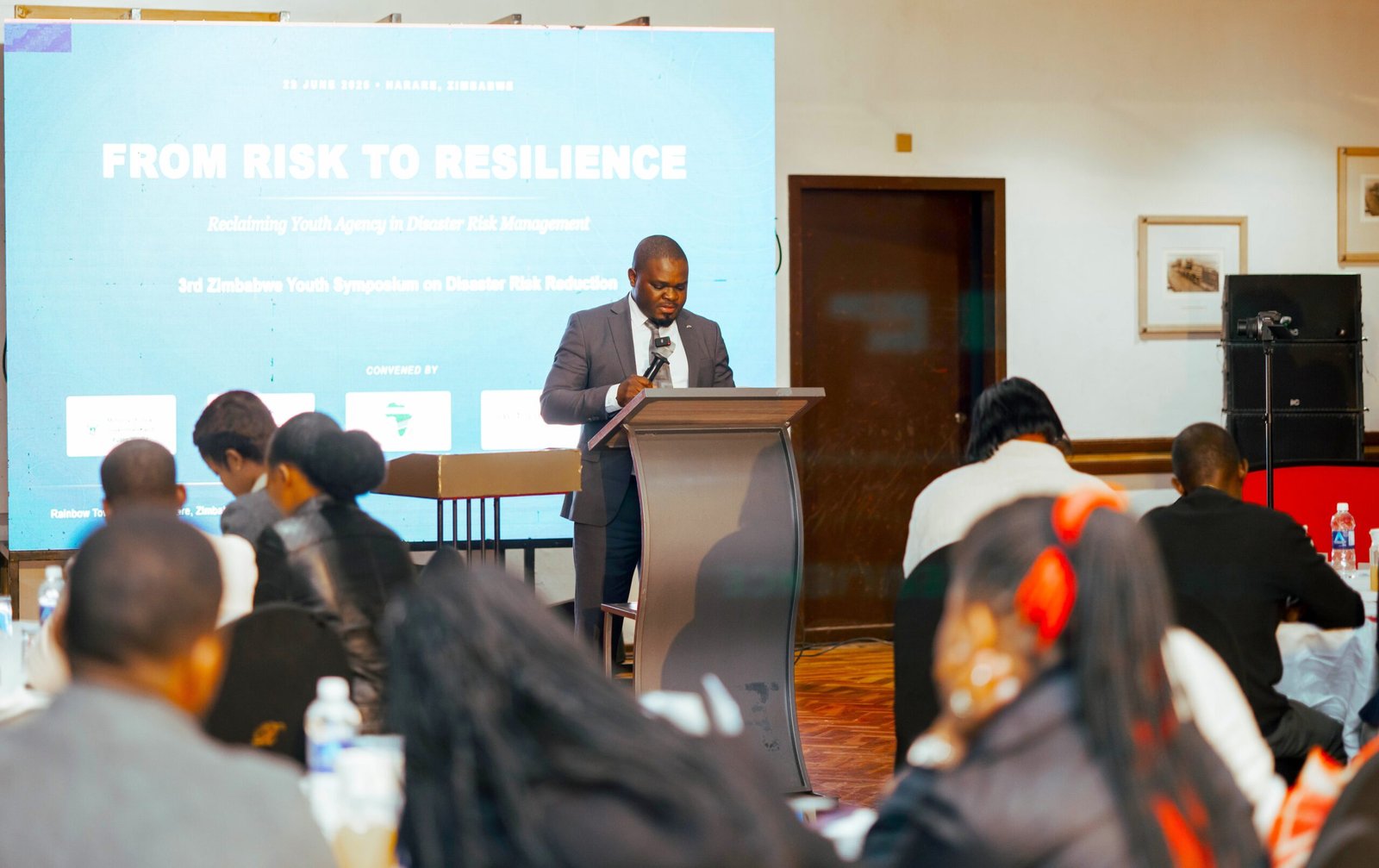
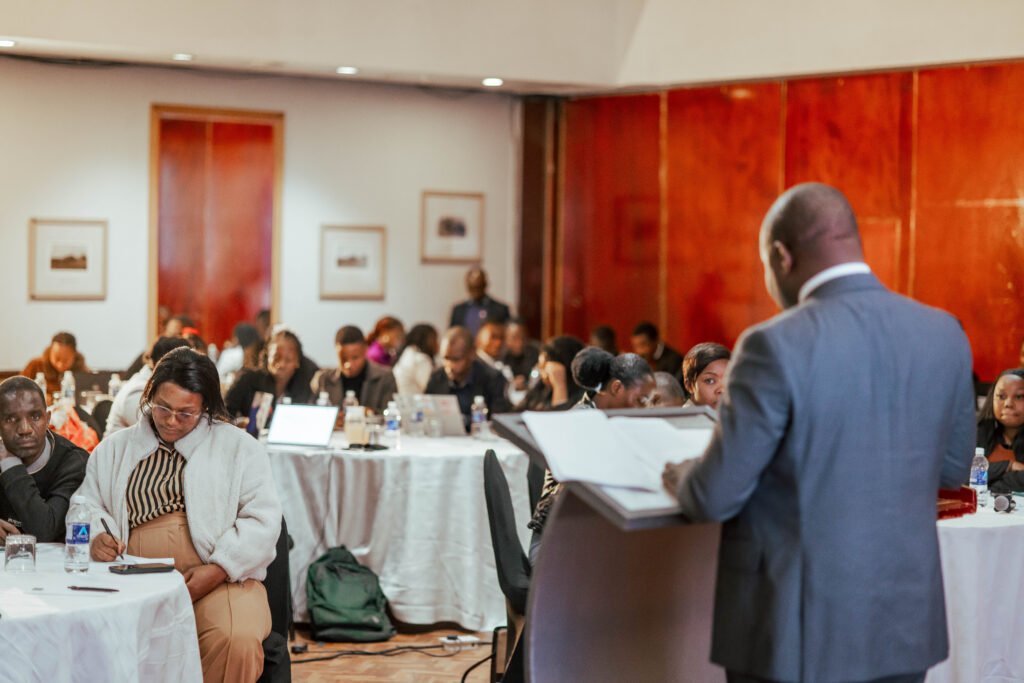
During the Zimbabwe Youth Symposium on Disaster Risk Reduction in Harare, Deputy Minister of Local Government and Public Works Engineer Benjamin Kabikira said the bill was intended to modernise the country’s disaster governance framework and align it with international standards.
The proposed law seeks to replace the Civil Protection Act of 1989, a statute critics have long argued is outdated and largely focused on responding to disasters after they occur rather than preventing them.
Kabikira described the bill as a major policy shift designed to align Zimbabwe with international commitments, including the Sendai Framework for Disaster Risk Reduction and the Sustainable Development Goals.
“The proposed DRM Bill represents a major shift from a disaster response-oriented approach towards a comprehensive disaster risk management system that prioritises prevention, preparedness, mitigation, resilience building, recovery and sustainable development,” he said.
The proposed bill will strengthen institutional coordination, improve early warning systems and encourage risk-informed development planning. It is also expected to create mechanisms for broader participation by local communities and vulnerable groups in disaster governance.
“The Bill seeks to strengthen institutional coordination, improve risk governance, enhance early warning systems, promote risk-informed development planning, and increase community participation in disaster risk management.”
“Government remains committed to ensuring that the legislative process is inclusive and responsive to the needs of all stakeholders, including young people, women, persons with disabilities, local authorities, civil society organisations, academia, and the private sector,” he added.
The proposed reforms have received backing from development partners and civil society organisations.
ActionAid Zimbabwe Country Director Dr Selina Pasirayi said the bill represents a critical step towards strengthening accountability and coordination in disaster management.
“The progress on the Disaster Risk Management Bill, the strengthening of decentralised structures, and alignment with the Sendai Framework reflect a clear and deliberate policy direction,” Pasirayi said.
She noted that ActionAid Zimbabwe has supported efforts to finalise the legislation since 2022, noting that a strong legal framework is essential for ensuring equitable protection and effective disaster preparedness.
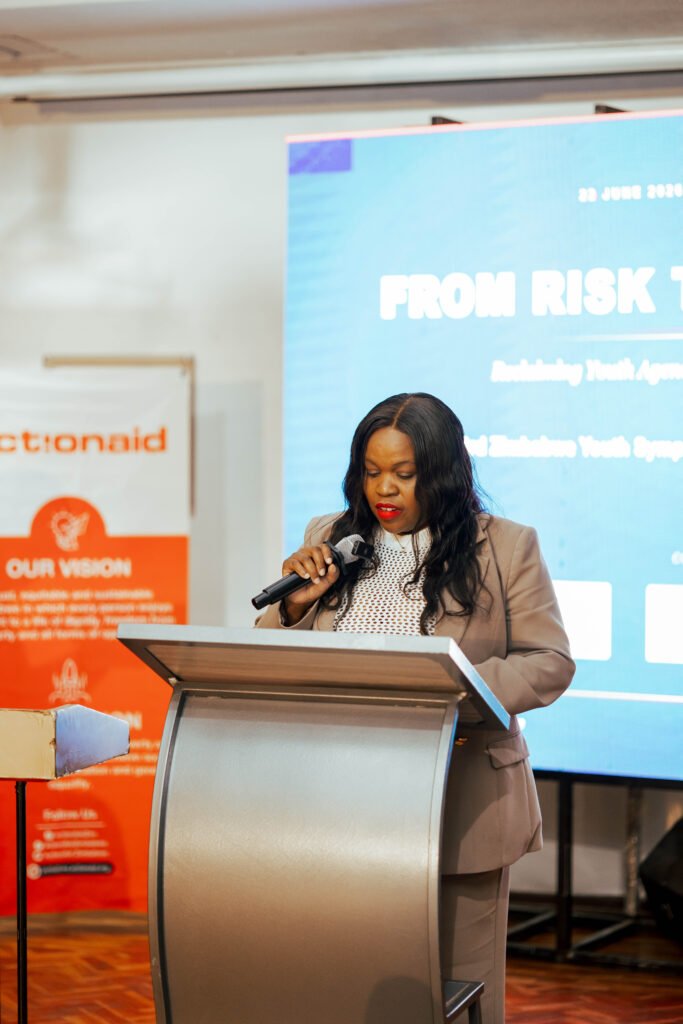
“ActionAid has supported, since 2022, efforts towards finalising the Disaster Risk Management Bill. A robust legal framework is not an administrative milestone; it is a foundation for accountability, coordination, and equitable protection. We therefore reiterate our support and encourage all stakeholders to sustain momentum towards its completion.”
Zimbabwe Resilience Network (ZRN) representative Diana Harawa said the Civil Protection Act’s greatest limitation has been its reactive nature and failure to adequately address disaster risk reduction.
“The major weakness of the Civil Protection Act of 1989 has been its reactive approach and failure to adequately address the Disaster Risk Management issues,” she said.
Harawa called for the new legislation to make disaster preparedness a legal obligation and ensure disaster risk reduction is integrated into national and local development planning.
“The Disaster Risk Management Bill should make disaster preparedness a legal obligation and ensure DRR is mainstreamed across all development planning.”
She also advocated for a more devolved disaster management system with meaningful representation of youth, women, children and persons with disabilities in decision-making structures.
“Let’s also move away from a centralized to a more devolved approach where there is inclusive representation and meaningful participation of youth, women, children and persons with disabilities in all structures.”
“These vulnerable groups should be accorded space in disaster prevention, preparedness and mitigation, and response and recovery, as they can often be the first and last responders to crisis which affect them. ” she added.
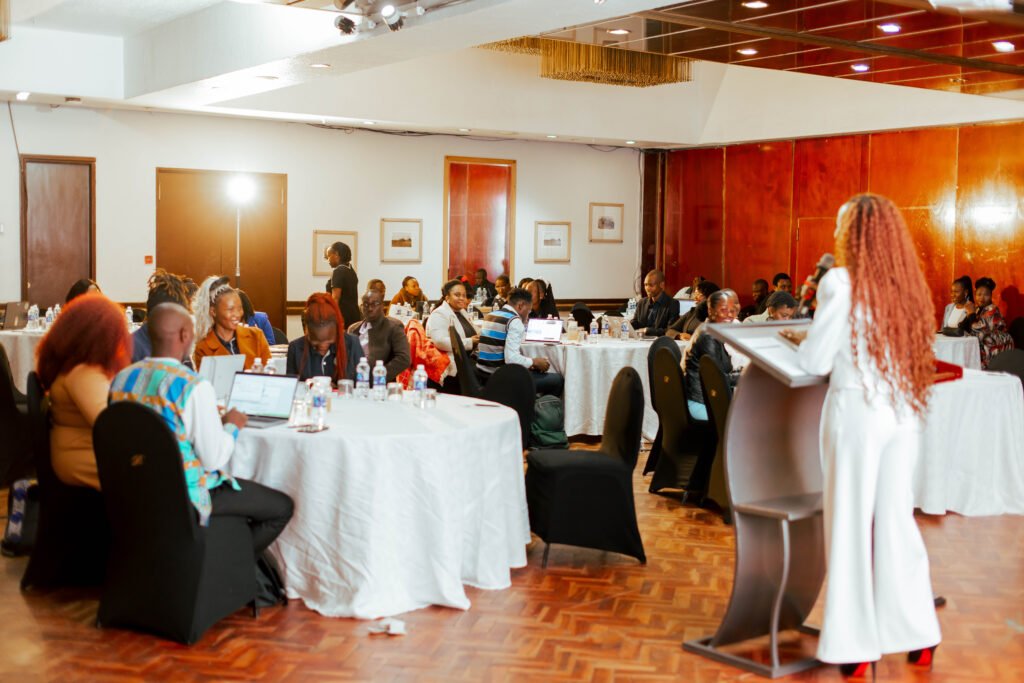
The proposed bill comes as countries worldwide increasingly adopt risk-based approaches to disaster management under the Sendai Framework for Disaster Risk Reduction (2015-2030), a United Nations agreement that emphasises preventing and mitigating disaster risks rather than simply responding to emergencies.
The framework calls for stronger disaster risk governance, increased investment in resilience, improved preparedness and the active participation of communities, women, youth, persons with disabilities and the private sector.