Zimbabwe’s vast reserves of lithium, platinum, chrome and coal have placed the country at the centre of the global race for minerals needed to power electric vehicles and renewable energy systems. Yet concerns are growing that communities living in mineral-rich areas are bearing the costs of extraction while receiving few of its benefits.
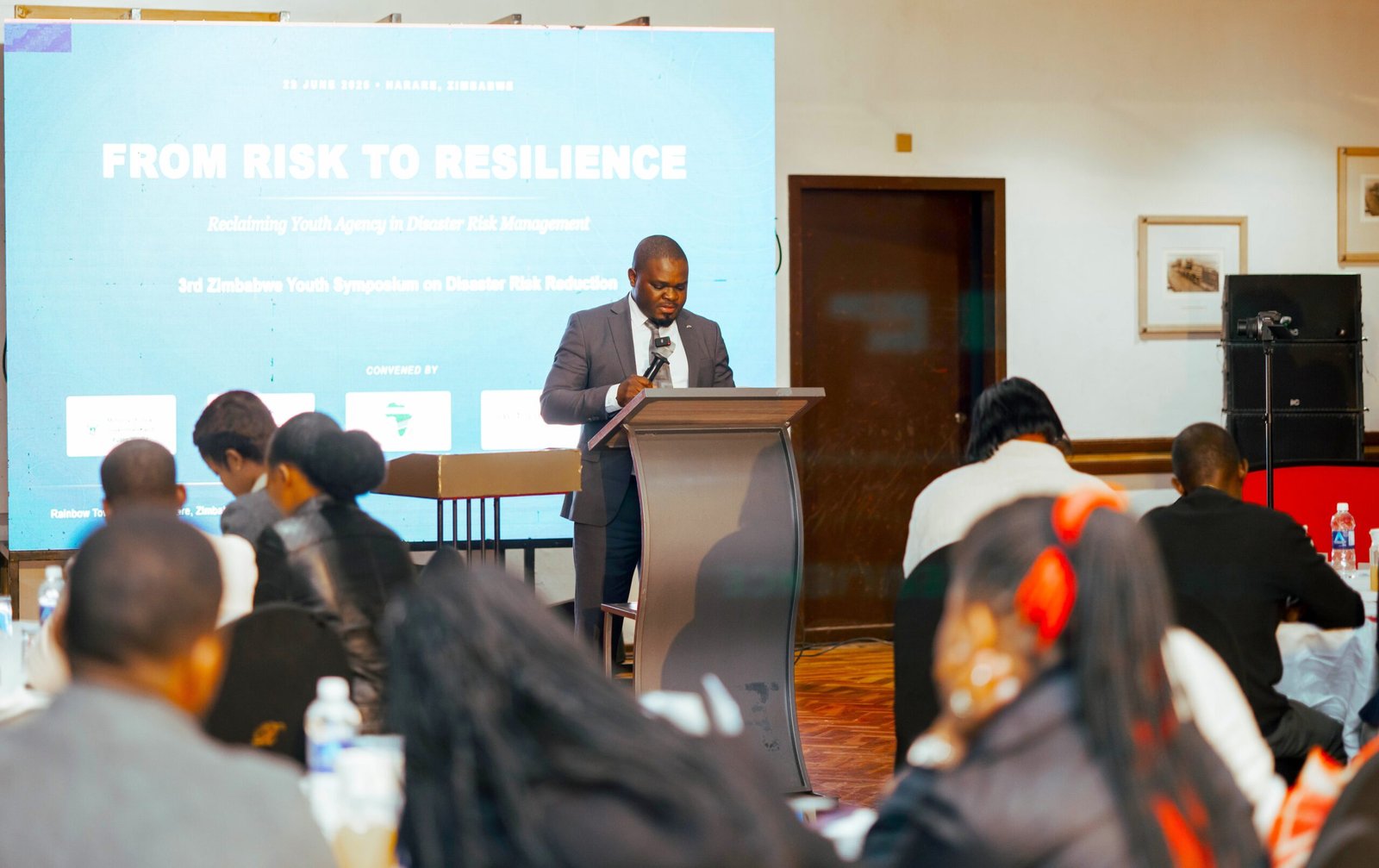
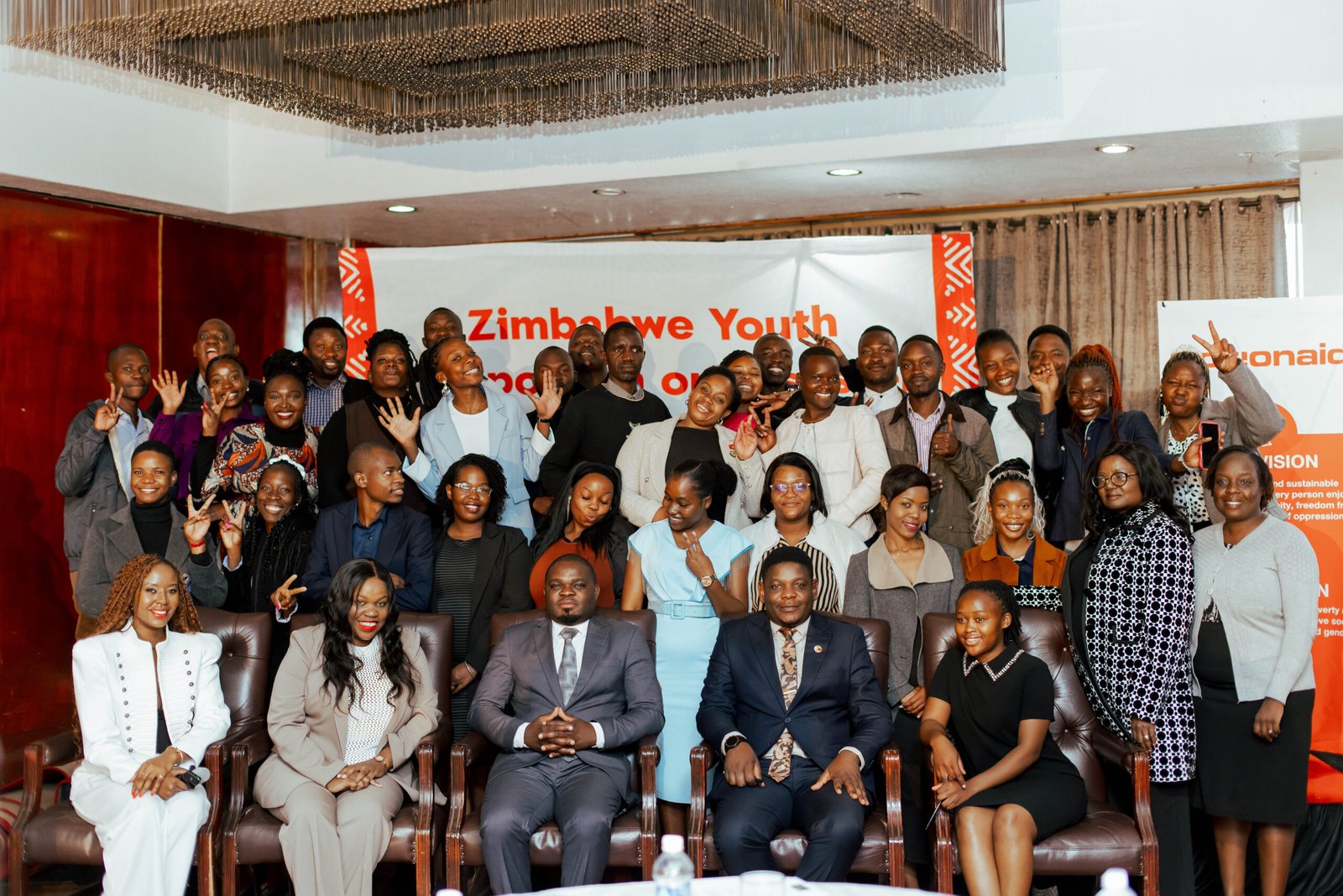
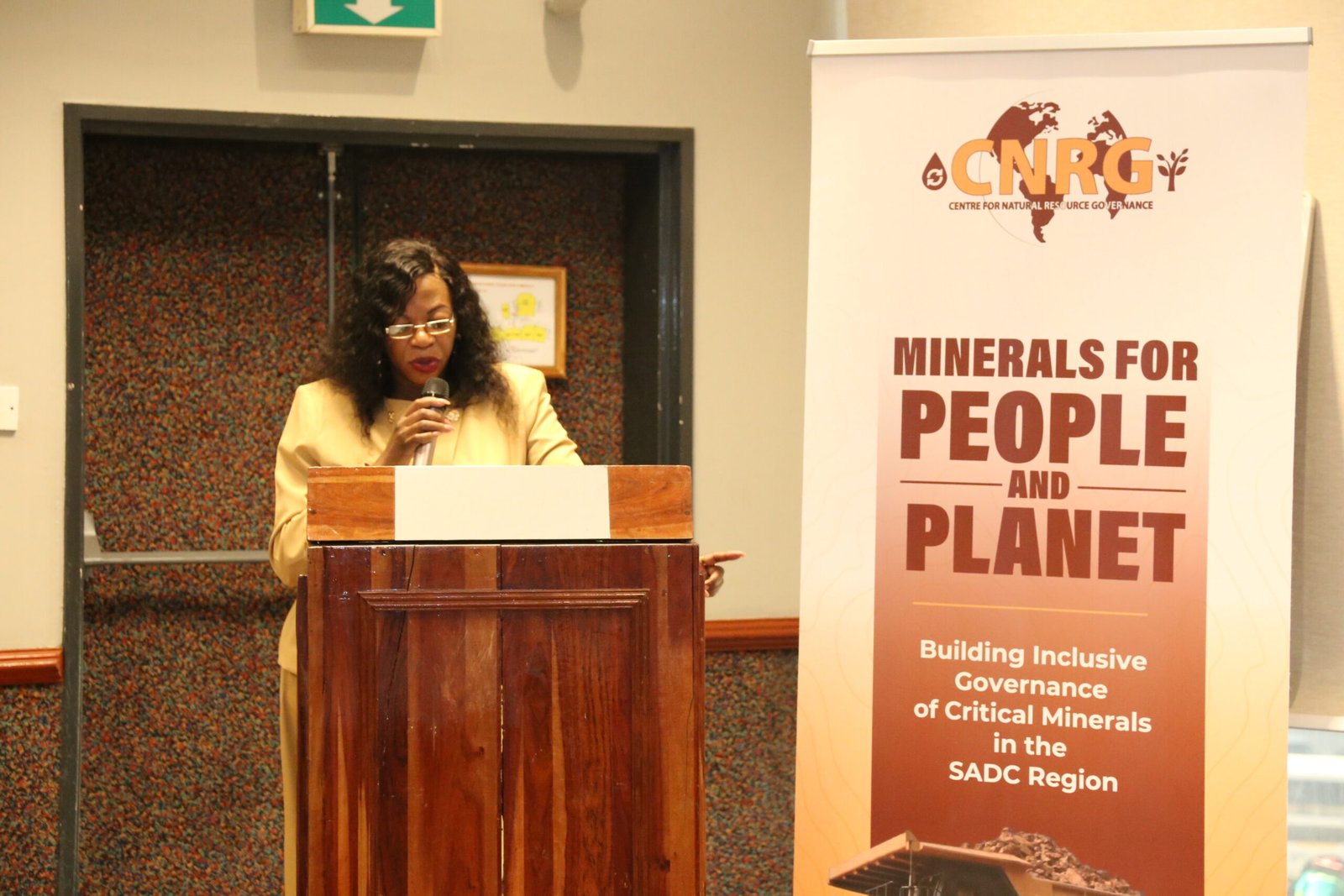
At the Annual National People’s Conference on Critical Minerals and Just Transitions in Harare, held under the theme “From the Ground Up: Communities, Justice and Zimbabwe’s Critical Minerals Future,” attention focused on the experiences of people living in mining communities.
“The minerals beneath our soil cannot speak, but the people above the soil can and must,” said Cathrine Chimanda, Senior Programmes Officer at the Centre for Natural Resource Governance (CNRG).
Chimanda argued that conversations about Zimbabwe’s critical minerals should begin with communities directly affected by extraction projects rather than with governments, corporations or foreign investors.
“The story of Zimbabwe’s critical minerals must not begin in boardrooms. It must not begin in foreign capitals or corporate headquarters. It must begin from the ground up, with the people who live on that ground,” she said.
Zimbabwe holds some of the world’s largest hard-rock lithium deposits and has attracted billions of dollars in mining investment as countries accelerate the transition to renewable energy and electric vehicles. The government has identified mining as a key driver of economic growth.
However, questions remain over whether the benefits are reaching local communities.
“The people that are living in the communities are facing the realities of living in extractive areas where so much wealth is coming out, but with so little for them to gain,” Chimanda said.
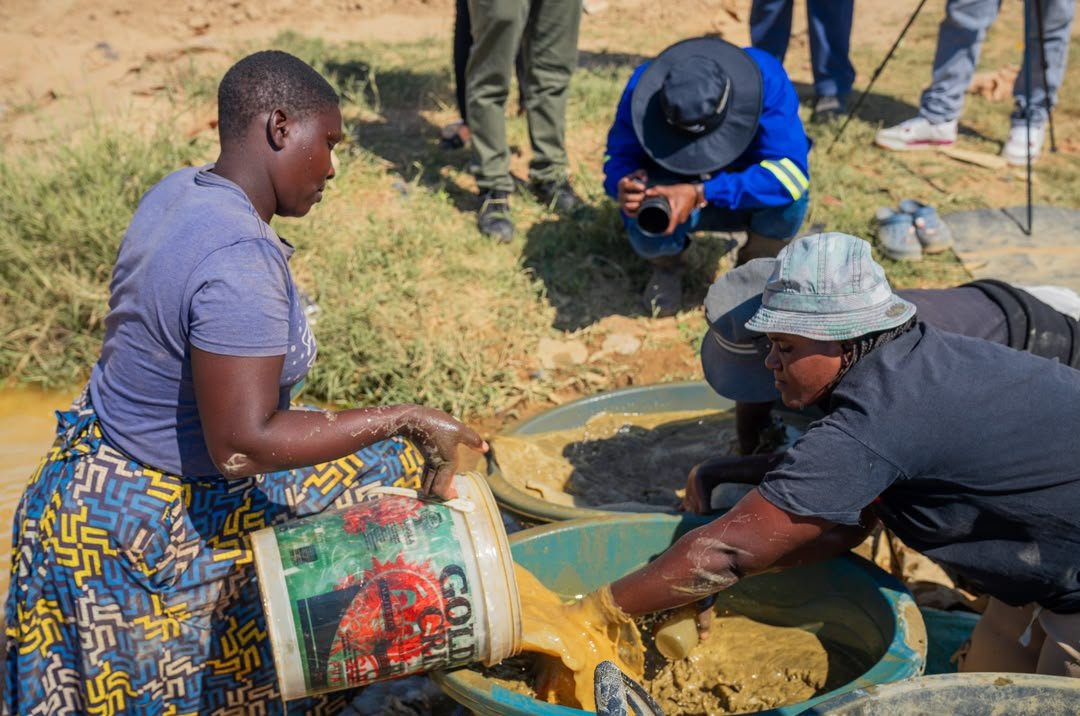
She highlighted concerns emerging from several mining districts. In Bikita, where lithium mining has expanded rapidly, communities have raised concerns about displacement, water contamination and environmental degradation.
In Hwange, coal mining and power generation have left some residents dealing with pollution, underground fires and uncertainty about the future. In Buhera, relocations linked to mining projects have prompted questions about rights, compensation and dignity. In Goromonzi, the expansion of lithium and gold mining has intersected with local livelihoods and economic challenges.
“Community voices are not a side event. They are not an afterthought. They are not a talking point. They are central,” Chimanda said.
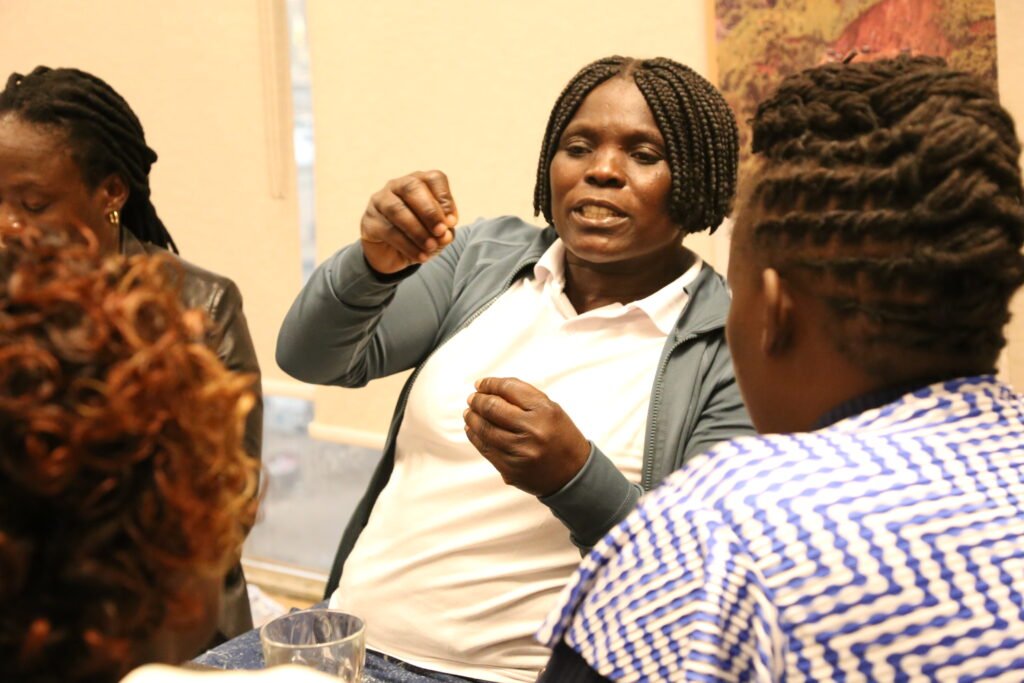
She described community testimonies as evidence-based accounts that should shape policy decisions on mining and development.
Zimbabwe’s growing importance in the global energy transition comes as demand for lithium and other critical minerals continues to rise. While these minerals are increasingly viewed as essential for reducing carbon emissions worldwide, environmental and governance advocates warn that extraction can deepen inequalities if local communities are excluded from decision-making.
“Minerals have always been critical. Critical to economies, critical to political power and, too often, critical in producing inequality, displacement and environmental harm,” Chimanda said.
The conference also examined the relationship between climate action, mining and social justice.
Tafadzwa Kurotwi, founder of Emerald Climate Hub, said there is a need to bridge the gap between international climate commitments and the realities faced by rural communities.
“Thanks to the CNRG, for ensuring that they gather all of us and the groups in just bridging the gap between the high-level climate diplomacy and the realities of the rural communities on the ground” Kurotwi said.
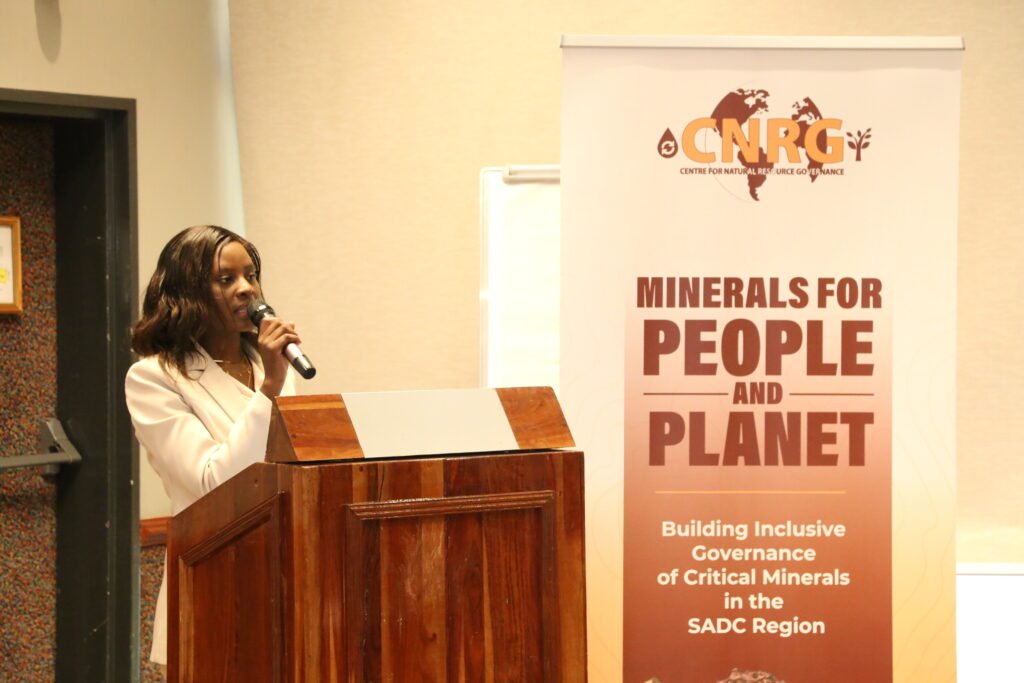
“At some point we need to ensure that we include their voices, because they are the ones who are at the forefront of the climate crisis. They are the ones at the forefront of these communities.They are the protectors of the land, the protectors of the minerals, and they are the ones who are being impacted by the climate crisis.”
She said a just transition should prioritise people rather than profits, particularly women and girls who are disproportionately affected by climate change and environmental degradation.
“The just transition aspect in Zimbabwe should not be about the profit, but should be about the people, because the people are the ones who are at the forefront, specifically women and girls who are at the forefront of the climate crisis and jus transition agenda.”
The discussions coincided with Zimbabwe’s implementation of its updated Nationally Determined Contributions (NDC 3.0), which target a 40% reduction in greenhouse gas emissions by 2035 while promoting renewable energy, climate-resilient agriculture, ecosystem restoration, green jobs and gender inclusion.
The framework identifies women and rural communities as among those most vulnerable to climate impacts. Around 80% of rural households continue to rely on biomass for energy, exposing women to unpaid labour burdens, health risks and limited economic opportunities.
Challenges highlighted include financing constraints, dependence on imported technologies, electricity grid instability and recurring climate-induced droughts. Proposed solutions include investment in renewable energy, local manufacturing, mini-grids and climate-resilient infrastructure.
The conference also called for greater investment in local processing and value addition of lithium and other critical minerals, arguing that exporting raw resources limits economic benefits for communities and the broader economy.
Community-based renewable energy projects, including rural biogas initiatives, were presented as examples of how climate action can improve livelihoods while creating economic opportunities.