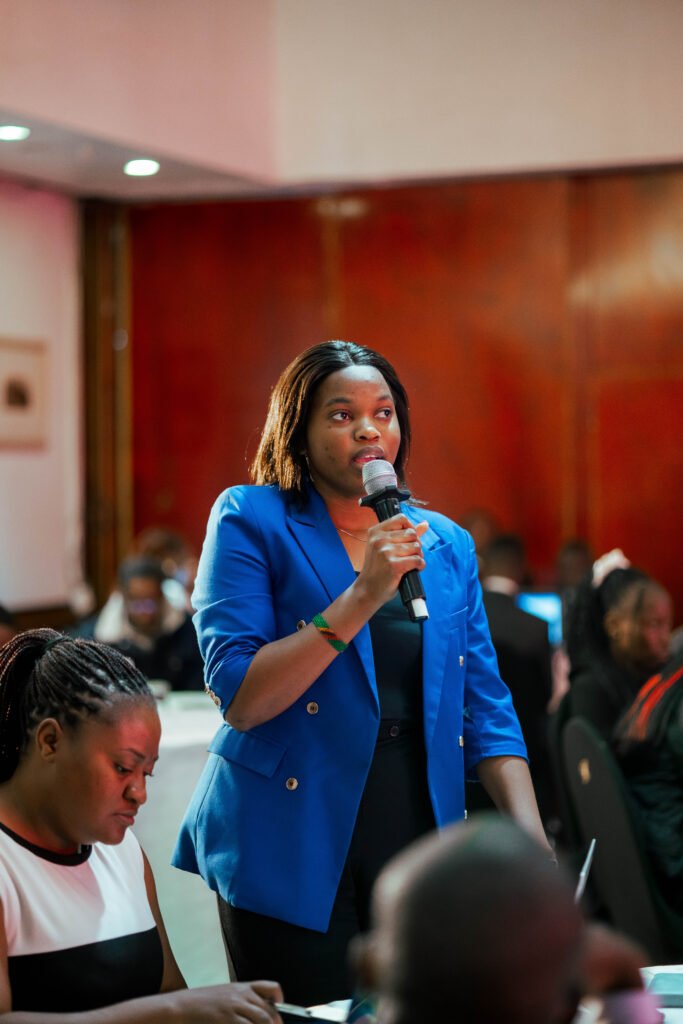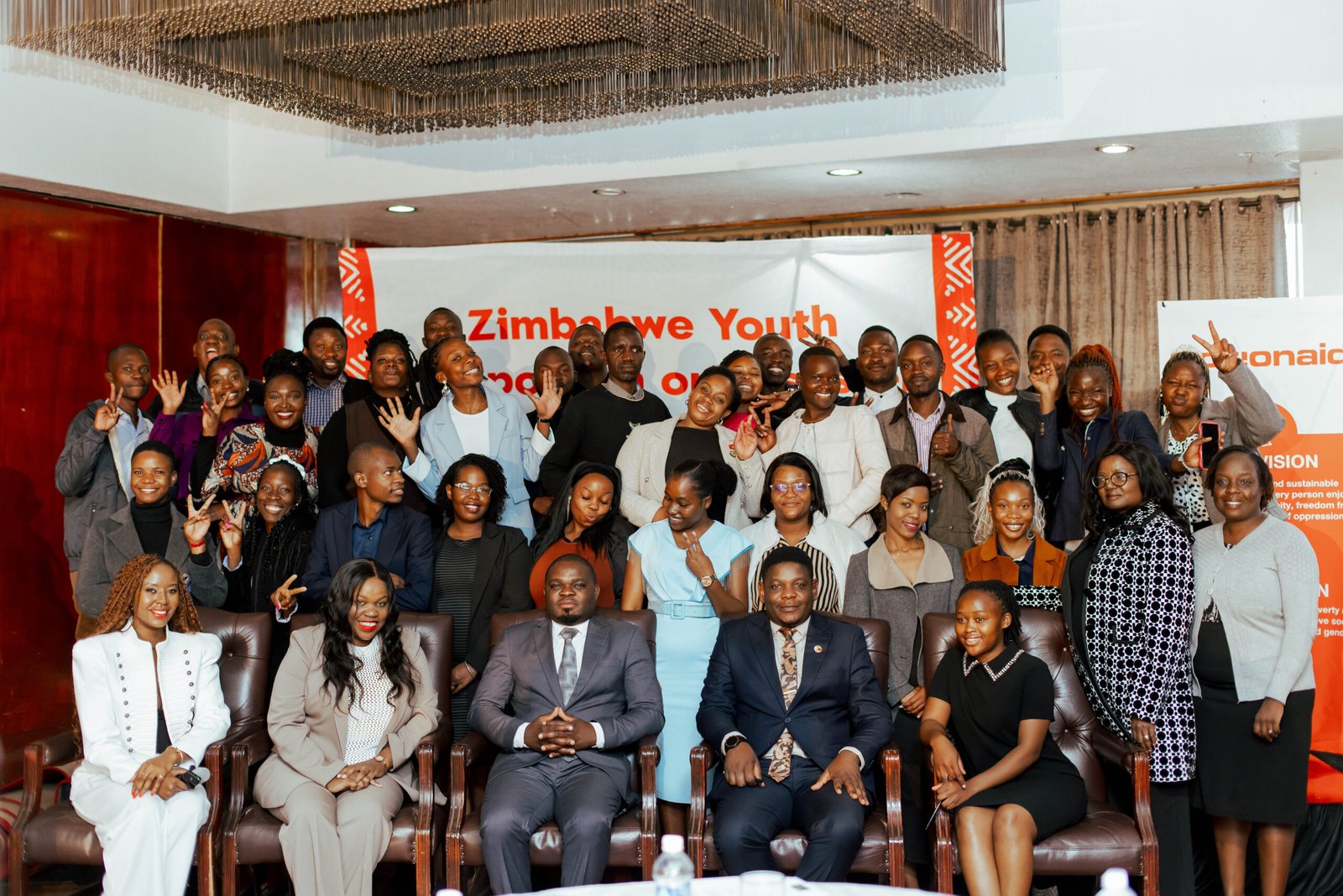
Young people must be given a seat at the table if Zimbabwe is to build resilience against growing climate and disaster risks.
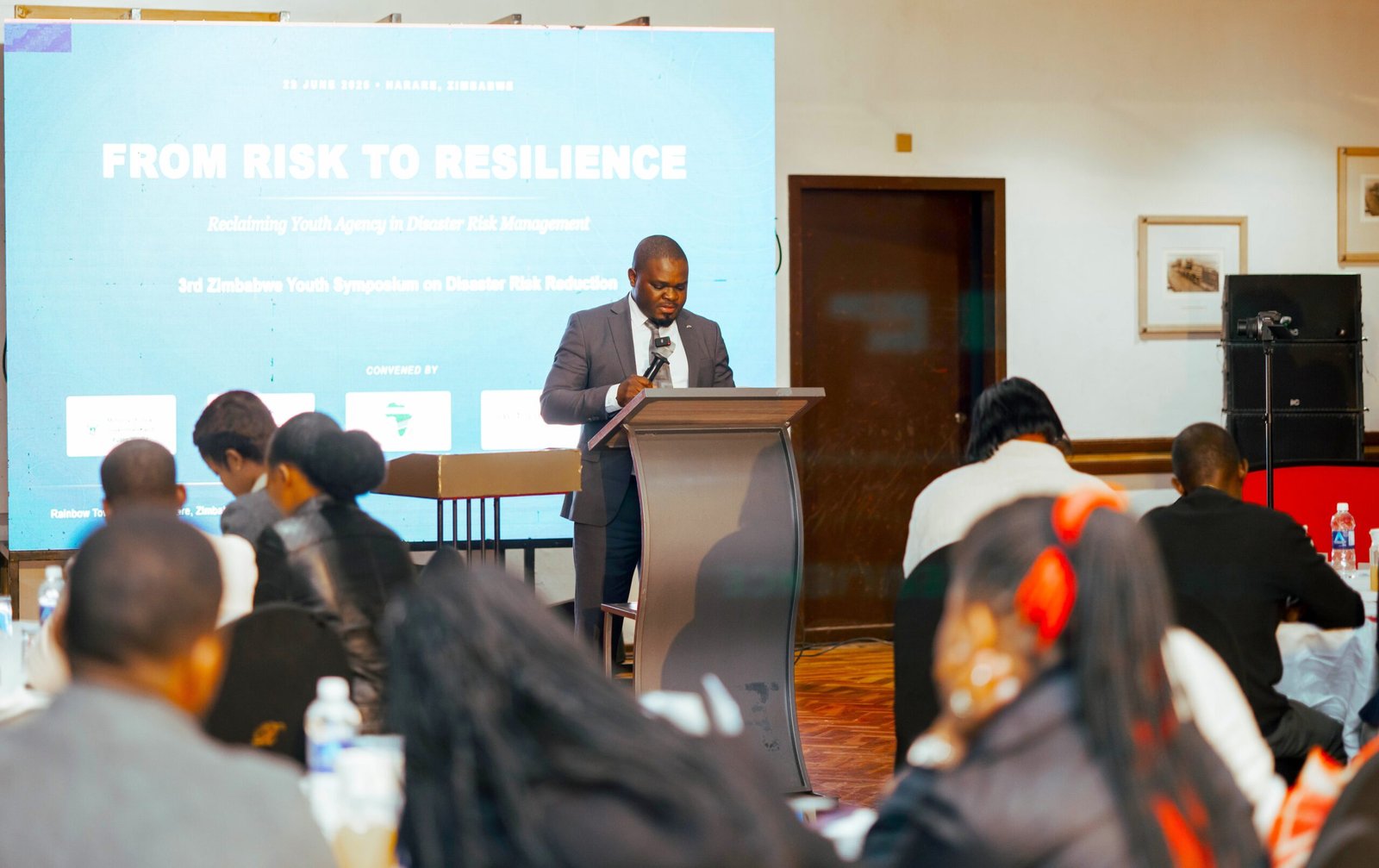
That was the message from this year’s third Zimbabwe Youth Symposium on Disaster Risk Reduction.
The event was hosted by the Zimbabwe Resilience Network in partnership with the Ministry of Local Government and Public Works, with support from Global Platform Zimbabwe, ActionAid Zimbabwe, and the Africa Youth Advisory Board on Disaster Risk Reduction (DRR).
Held under the theme “From Risk to Resilience: Reclaiming Youth Agency in Disaster Risk,” the event focused on strengthening youth participation in disaster planning and response.
Deputy Minister of Local Government and Public Works Engineer Benjamin Kabikira said young people should be viewed as partners in disaster risk management rather than passive recipients of support.
“Young people are not merely beneficiaries of Disaster Risk Reduction interventions, but are indispensable partners in building resilient communities and a resilient nation,” Eng Kabikira said.
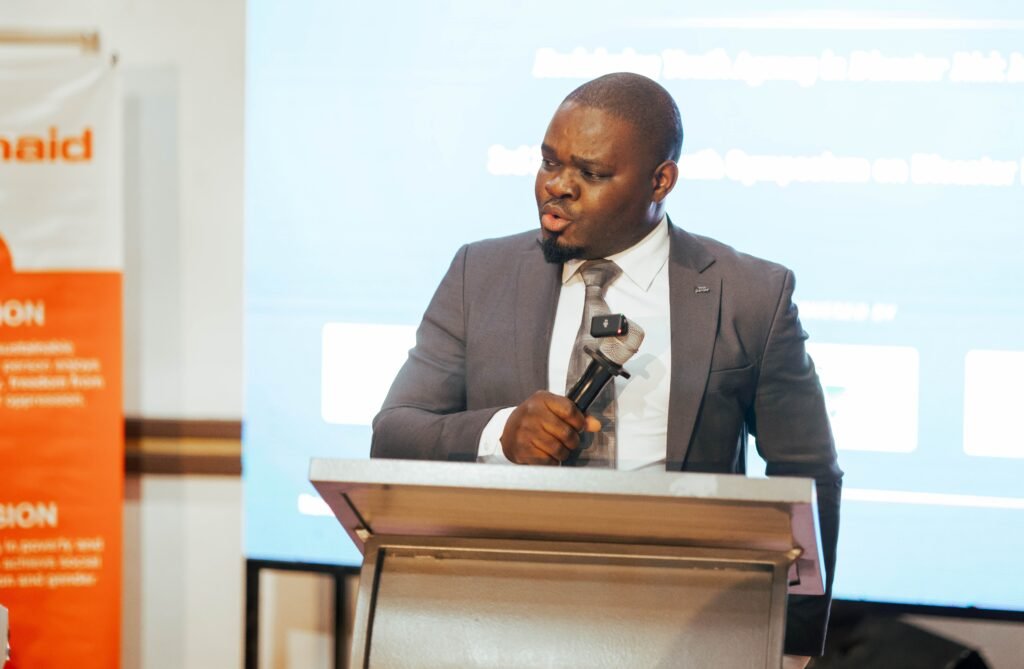
He said Zimbabwe continues to face increasing threats from droughts, floods and other climate-related disasters, with young people among the hardest hit.
“Young people often bear a disproportionate share of these impacts. Yet, they also possess the creativity, innovation, energy, and leadership needed to transform risks into opportunities for resilience,” he said.
Eng Kabikira said government is working to expand youth participation in disaster risk governance structures at national, provincial, district and community levels.
“We seek to deepen youth participation within National, Provincial, District, and Community-level disaster risk governance structures. We believe that decisions affecting young people should be informed by their experiences, aspirations, and ideas,” he said.
ActionAid Zimbabwe Country Director Dr Selina Pasirayi said young people were helping to shape the country’s disaster risk reduction agenda through research, leadership and civic engagement.
“From its inception, the Global Platform Zimbabwe has ensured that young people are not only participants in this dialogue, but co-authors of it,” Pasirayi said.
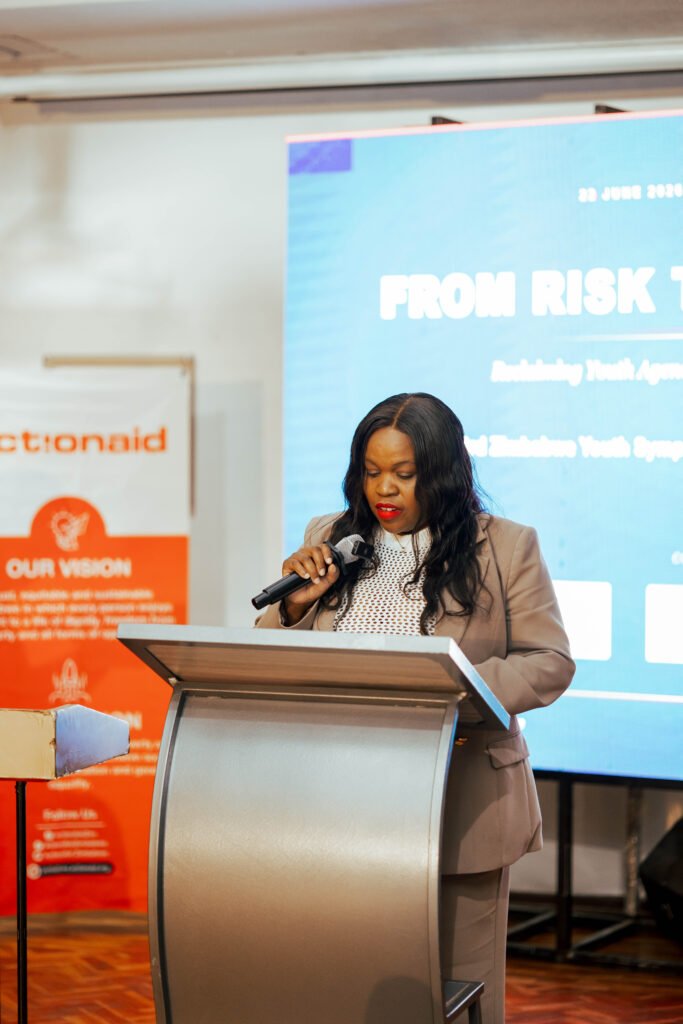
She argued that disaster policies should be informed by evidence generated by communities themselves.
“The young researchers presenting today bring forward findings rooted in their own lived realities and research on early warning systems, water scarcity, and community adaptation strategies that rarely enter formal datasets. If policy is to be effective, it must be informed by this kind of grounded evidence,” she said.
Pasirayi also highlighted the need for a gender-responsive approach to disaster risk reduction.
“Women and girls consistently bear disproportionate impacts during crises, while simultaneously holding critical knowledge for resilience-building. Any serious disaster risk agenda must therefore recognise them as leaders, not merely beneficiaries,” she said.
Meanwhile, Africa Youth Advisory Board on Disaster Risk Reduction Secretary Ruth Chomola called for stronger financial support for resilience-building programmes.
“We advocate for policies that are followed up with adequate financing to enable implementation,” Chomola said.
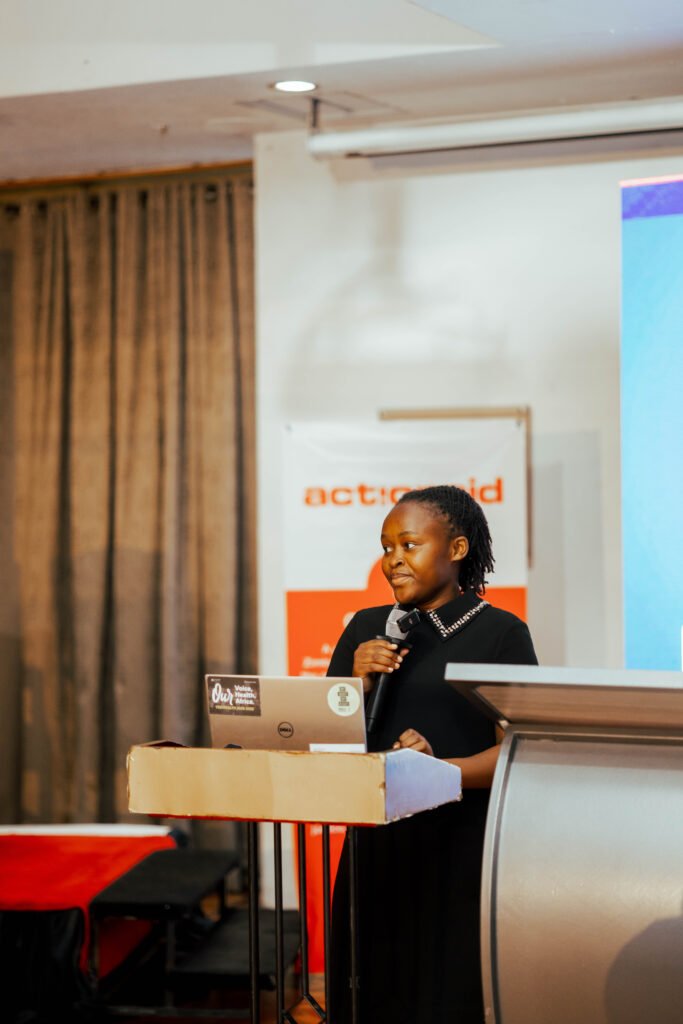
She also called for sustainable management of natural resources and greater accountability to future generations.
“We advocate for sustainable extraction of resources so that we build resilience and also save and accumulate wealth for the future. Intergenerational continuity requires trust, humility, and the willingness to accountability,” she said.
The Youth Symposium features youth-led research presentations, high-level and policy dialogue aimed at producing a Youth Position Statement with concrete policy recommendations.