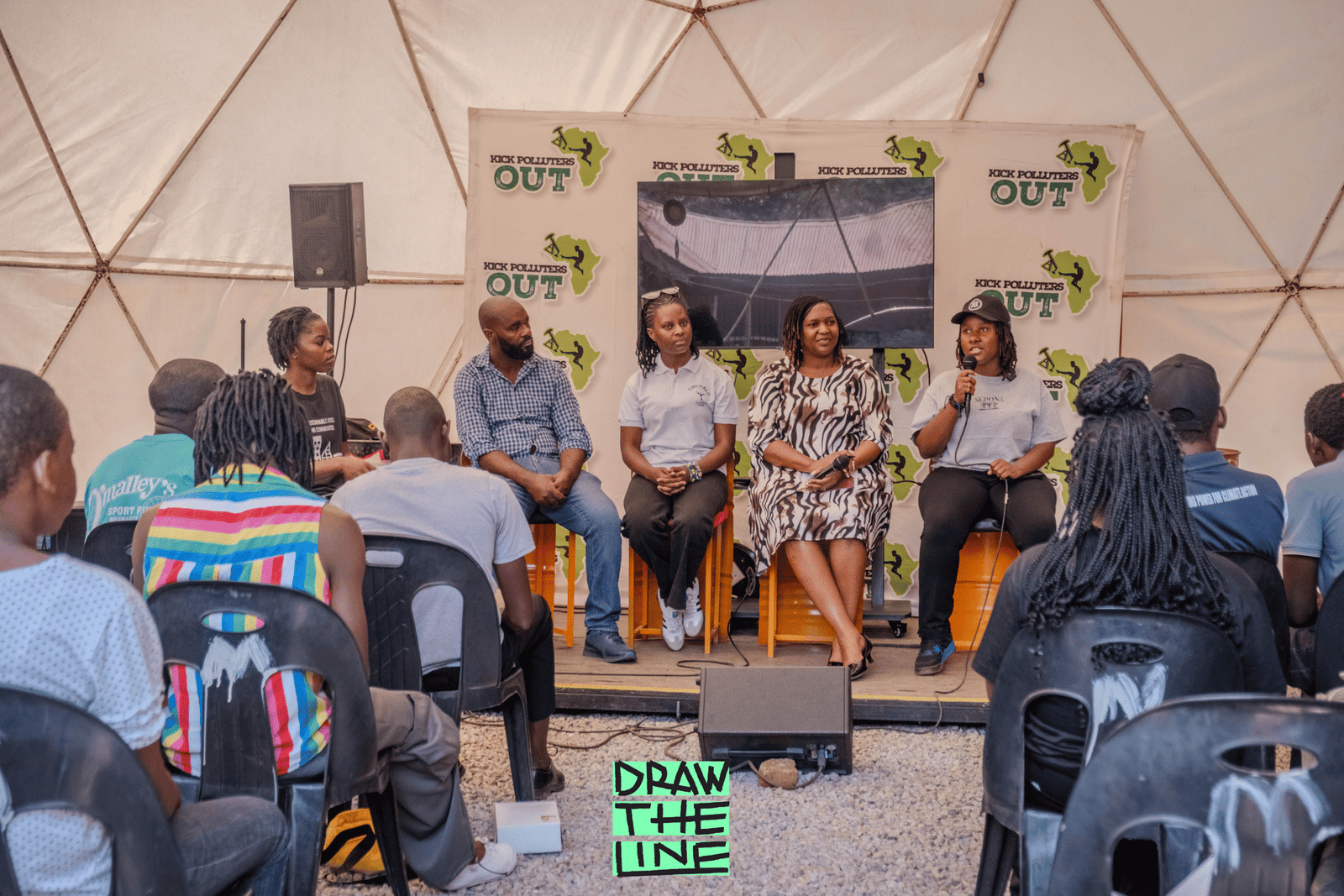
Zimbabwe joins communities across Africa under the global “Draw the Line” mobilisations, sending a powerful message that Africa will not be a sacrifice zone for fossil fuels.
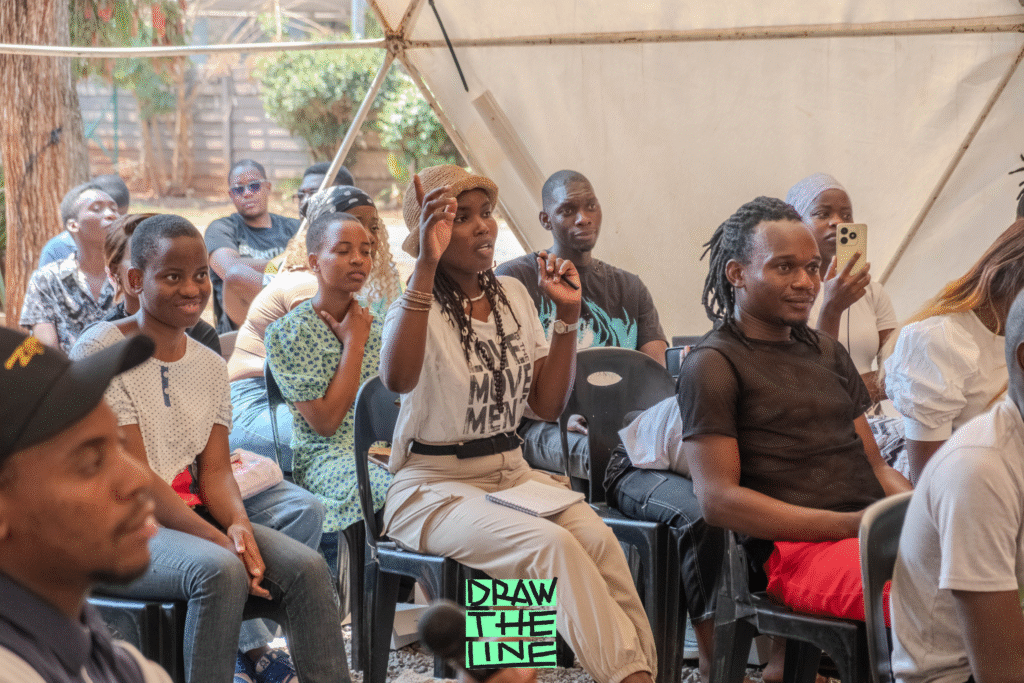
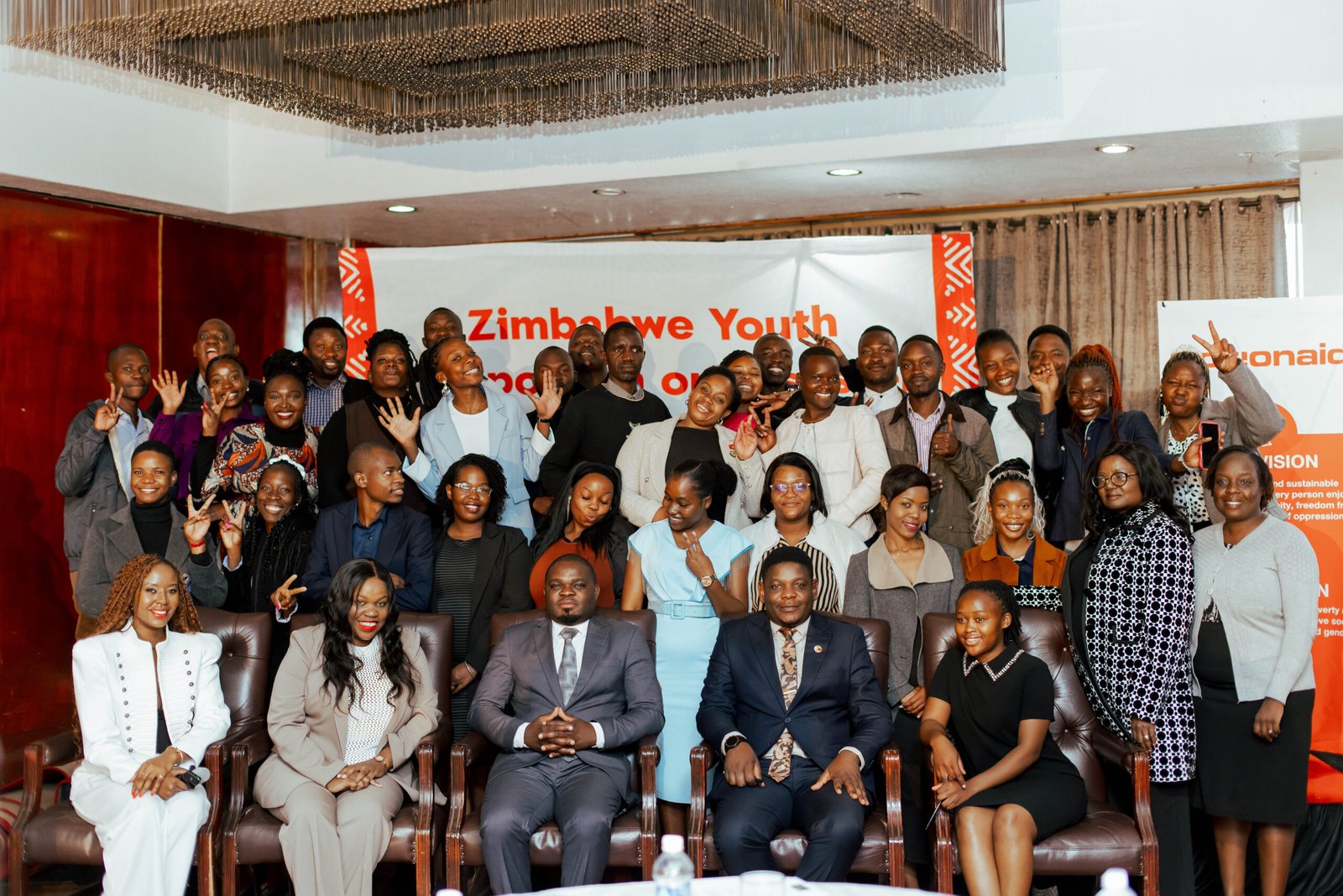
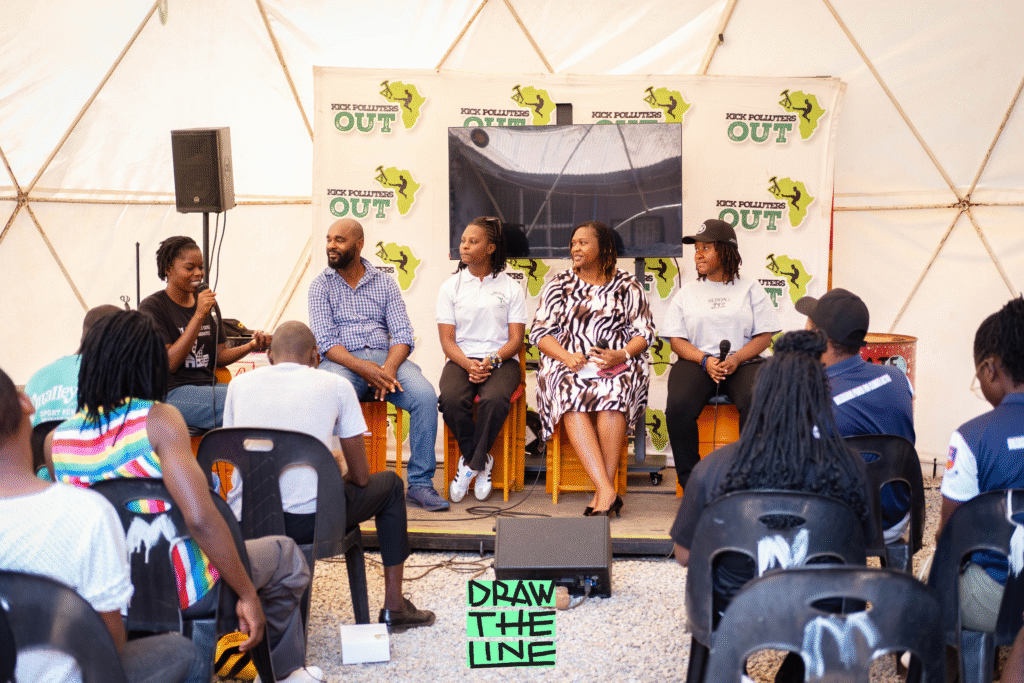
More than fifty young people gathered at Moto Republik for a climate justice event organised by Magamba Network in collaboration with Oxfam in Zimbabwe.
The gathering brought together youth activists, artists and community leaders, united in demanding urgent action on climate justice.
Across Africa, communities made it clear that fossil fuel colonialism must end, that polluters must pay their climate debt, and that the future lies in decentralised, locally owned renewable energy systems.
Veronica Zano, the Regional Program Advisor-Extractive Industry, Oxfam Southern Africa said part of the Draw the Line campaign, gathered under the theme Power to the People Triptych to demand accountability for the systems fuelling the climate crisis, an end to fossil fuel projects that perpetuate inequality, poverty, and environmental destruction, particularly across Africa.
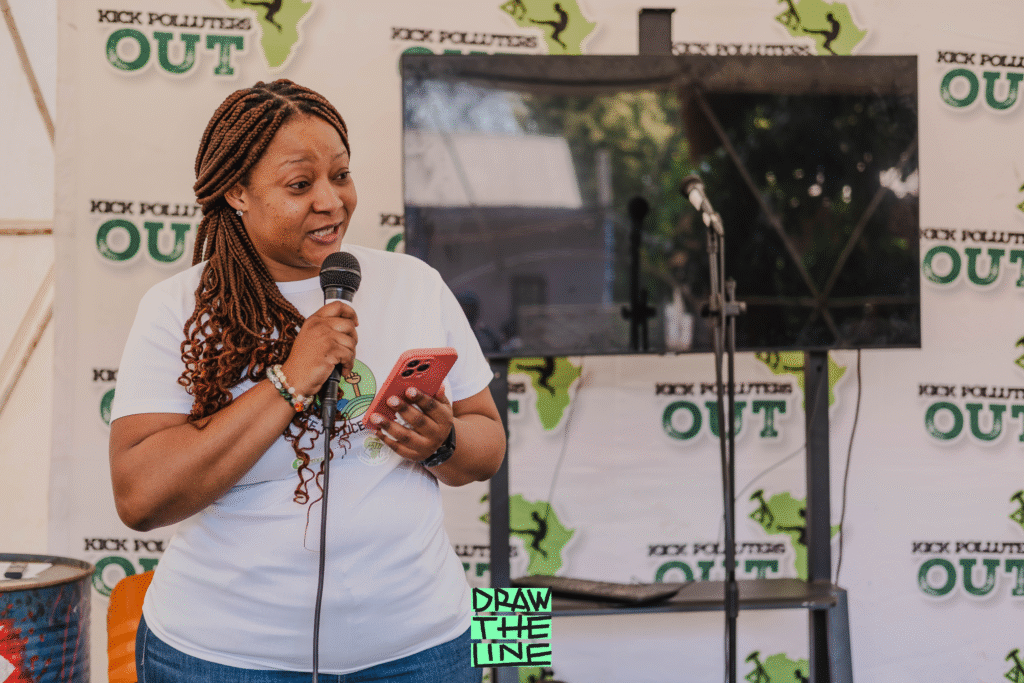
“We are part of an action called the Global Days of Action basically where we are organising a series of events which are a culmination of the UN General Assembly that is going to be happening six weeks ahead of COP30 happening in Brazil.”
“We meet with other climate justice activists where we are meeting under the theme Power to the People Triptych” and which is part of the Draw the Line campaign where we are saying a lot has been happening with regards to fuelling the climate crisis and there is need to protect the rights and the environment of communities that are on the front lines of the climate crisis,” she said.
She emphasized the urgent need for green development pathways anchored in renewable energy to address energy poverty and build sustainable futures.
“Our messaging is about drawing the line against a lot of chaos that is happening around the world which is perpetuating further inequality and poverty such as those systems where we see fossil fuel energy projects continue to develop around the world and more so within our continent.”
“We are saying we are drawing the line against issues of fossil fuels development and therefore we need to transition from this form of development and factor in green development pathways which are anchored around renewable energy solutions fundamentally for purposes of addressing issues of energy poverty,” she said.
Special attention was drawn to the plight of rural communities, especially women, who remain dependent on dirty fuels that harm their health and well-being.
“A lot of our local rural communities, particularly women, are using dirty fuels which are really causing the impacts to their health and their well-being and also a lot of people losing their lives,” she added.
Magamba Network Kick Polluters Out Coordinator Trust Chikodzo said the event formed part of the global Draw the Line mobilisation, linking youth voices in Zimbabwe to international calls for climate action.
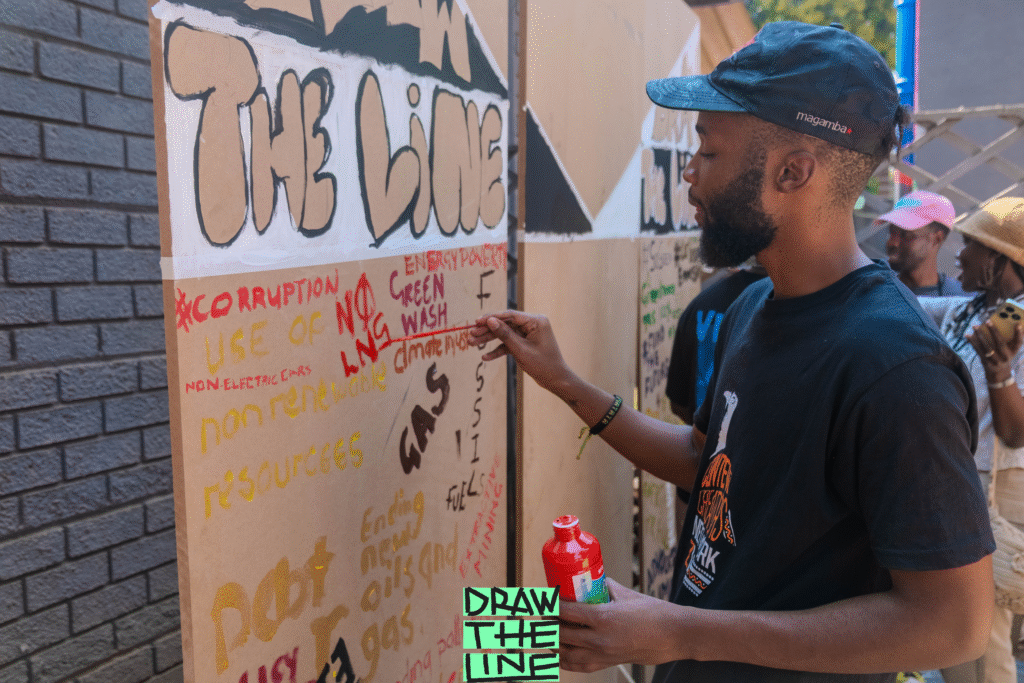
“The co-created mural symbolised resistance to fossil fuels and support for renewable energy, as part of the global Draw the Line mobilisation connecting Zimbabwean youth to worldwide climate justice demands,” he said.
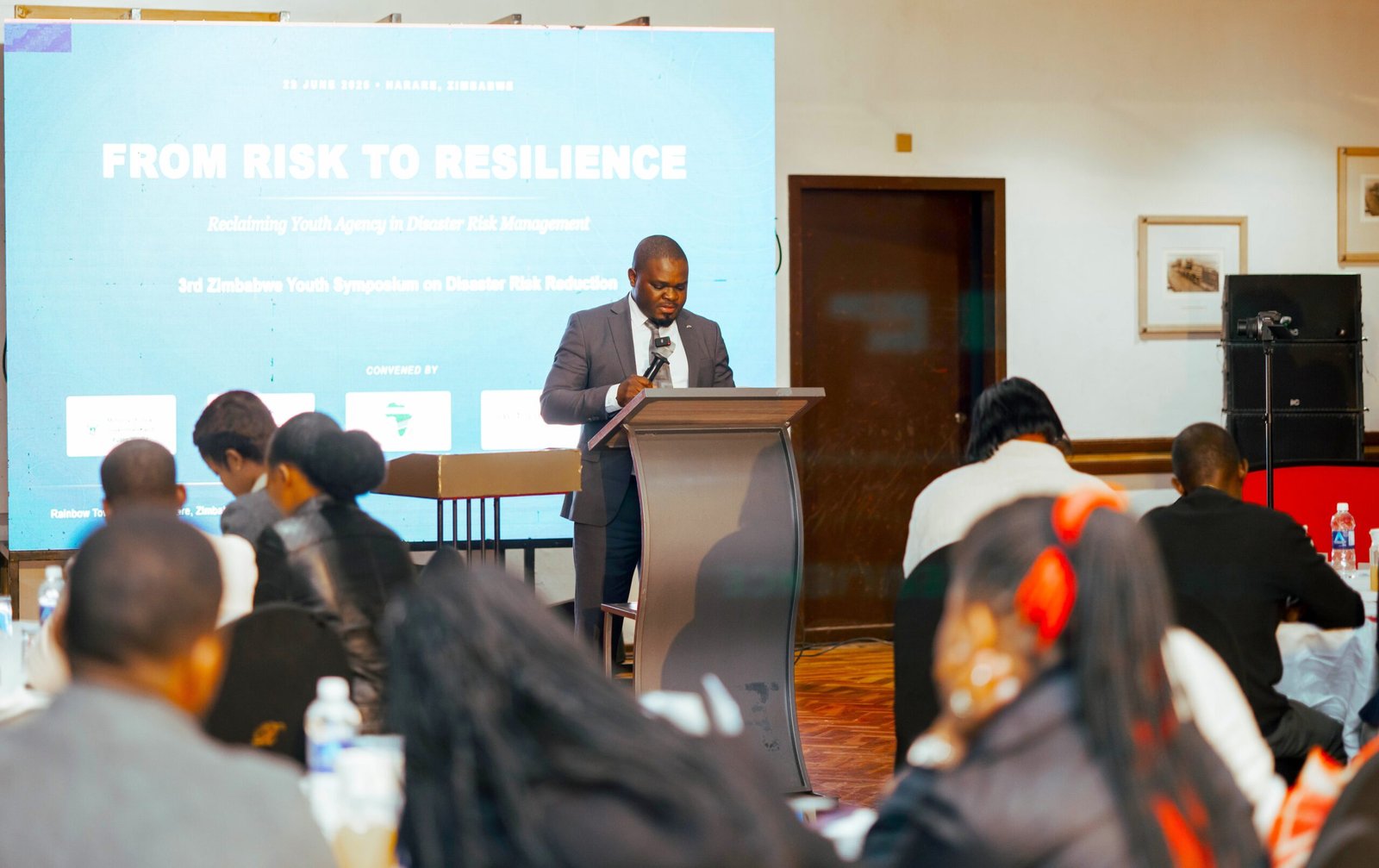
The event also featured a roundtable discussion titled “Why Renewables Now?”, where climate experts, policymakers and youth leaders examined the urgency of transitioning to renewable energy in Zimbabwe.
The session highlighted opportunities to tackle energy poverty, reduce reliance on fossil fuels, and unlock sustainable development pathways, while stressing the role of young people and communities in driving the country’s just energy transition.
Sustainable Development Advocate Natasha Malunga stressed the need to strengthen dialogue on the impact of fossil fuels, push for a just transition, and set clear timelines to advance renewable energy and end energy poverty.
“It is a very important conversation that we need to cultivate amongst us as youth so that we nurture and strengthen our stance on fossil fuels, what they mean to us, to our communities and how best can we ensure a just transition and also be able to “set” some kind of timeline of the progress we should advance and advocate for towards renewable energy and eradicating energy poverty.”
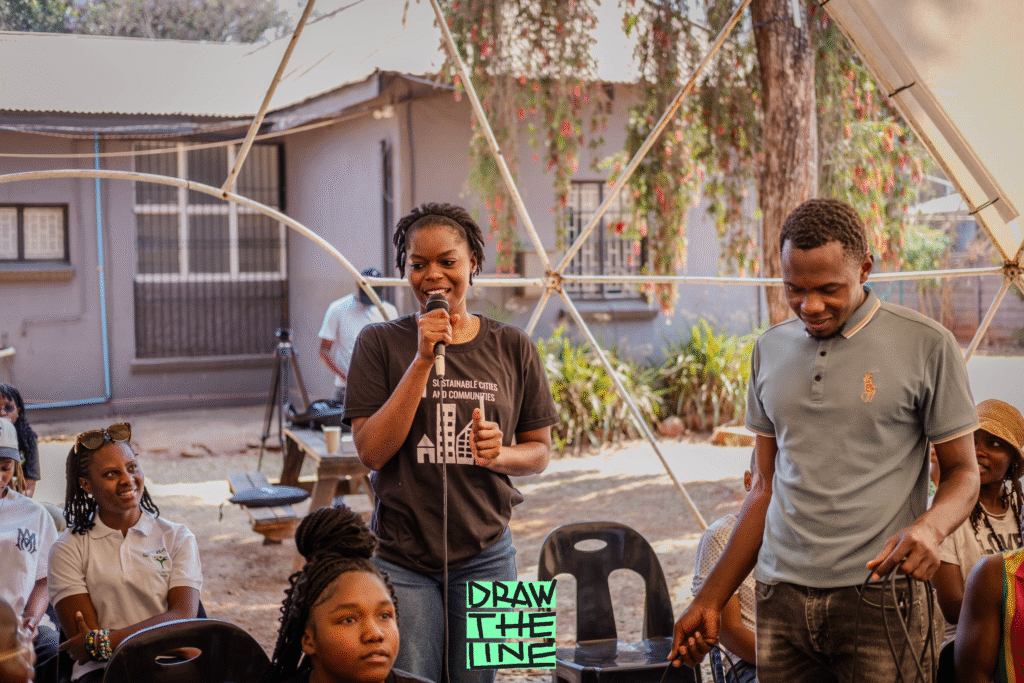
Tafadzwa Kurotwi, co-founder Emerald Climate Hub , a youth-led organisation, stressed the need for young people to drive climate solutions that prioritise rural communities, where women and youth are most affected by energy poverty.
“When you talk about renewable energy, we may be discussing it in Harare, but the real problem is not in Harare or Bulawayo. It is in rural communities, where women and young people, especially young girls, are on the frontline of the climate crisis. They are the ones most affected, yet they are often excluded from the search for solutions to both the climate crisis and the energy poverty they face,” she said.
The group is working to bridge the gap between urban and rural areas by promoting renewable energy and waste reduction through community projects.
“As Emerald Climate Hub, we have brought about a solution to see how can we bridge the gap between the people who are living in the communities and the people who are living in Harare, and we have brought about to reduce waste, because we have got a lot of waste, it is also contributing to the pollution that we are facing.”
Award-winning spoken word artist Banshee set the tone with a powerful performance that blended creativity and activism. She urged communities to fight for change by making use of what is at our disposal, stressing that art is a universal language that cuts across age, background, and belief.
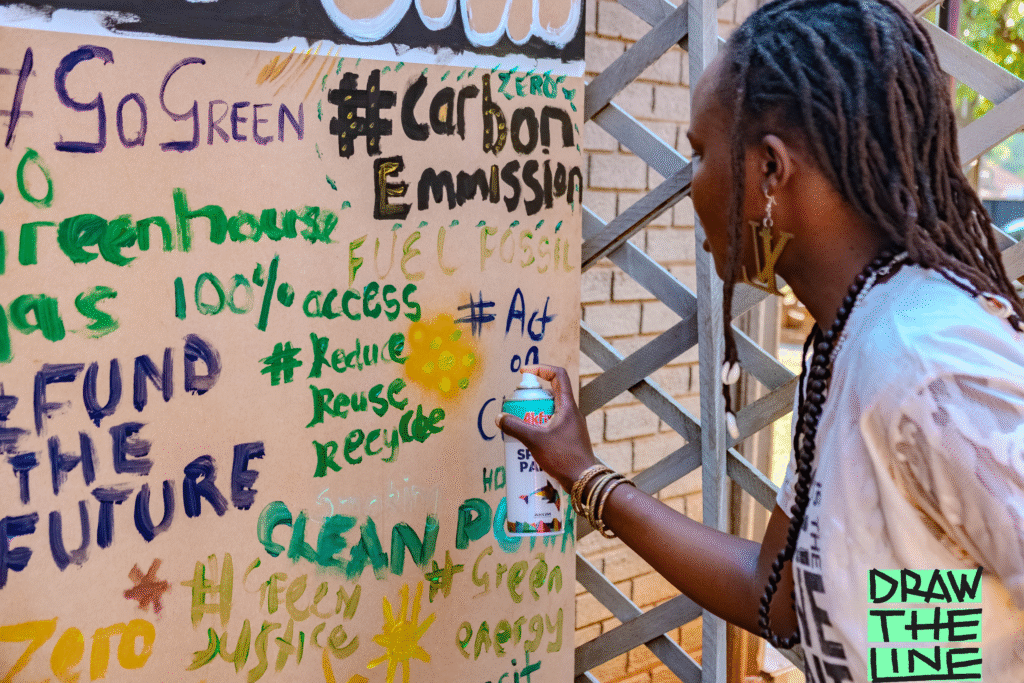
“It is important for us to use what we have in order to fight for change in our communities. If we do not , who will?
By simplifying complex climate issues such as adaptation and mitigation, she said, art makes them more accessible to both communities and policymakers, turning creativity into a powerful tool for climate awareness, engagement, and advocacy.
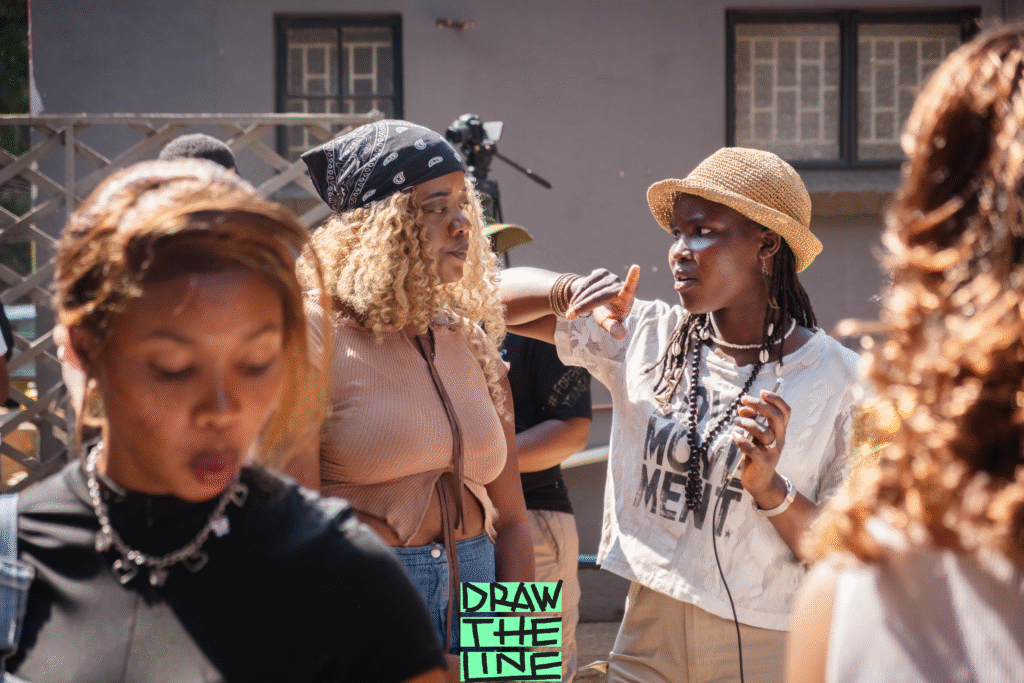
“That art is a universal language. It doesn’t matter how old you are, like where you come from, you know, what you believe, we can all commune vis-a-vis our appreciation of art.”
“So when we are addressing these issues, I feel like this is a tool that we can use in order to get people in the higher offices, to actually listen to us and also people from the community who may not necessarily understand the complex jargon around these kinds of issues because not everyone knows what adaptation or mitigation will mean, but if we are able to remove the cryptic sense when it comes to like these issues and just make it comprehensive for all using art, I feel it’s a very powerful tool to use.” she said.
The #DrawTheLine campaign has proven to be more than just a protest against injustice. It became a creative moment where poetry served as a powerful tool to channel both urgency and emotion, while opening up safe spaces for dialogue on energy justice, finance, and Africa’s future.
The campaign also offered young people the opportunity to reimagine a just society, using art to capture their hopes for a fairer, sustainable future.
Founder of the Green Alliance Foundation Africa, Lydia Moyo, said the initiative highlighted how art can simplify complex climate issues and bring communities together in pursuit of justice and equality.
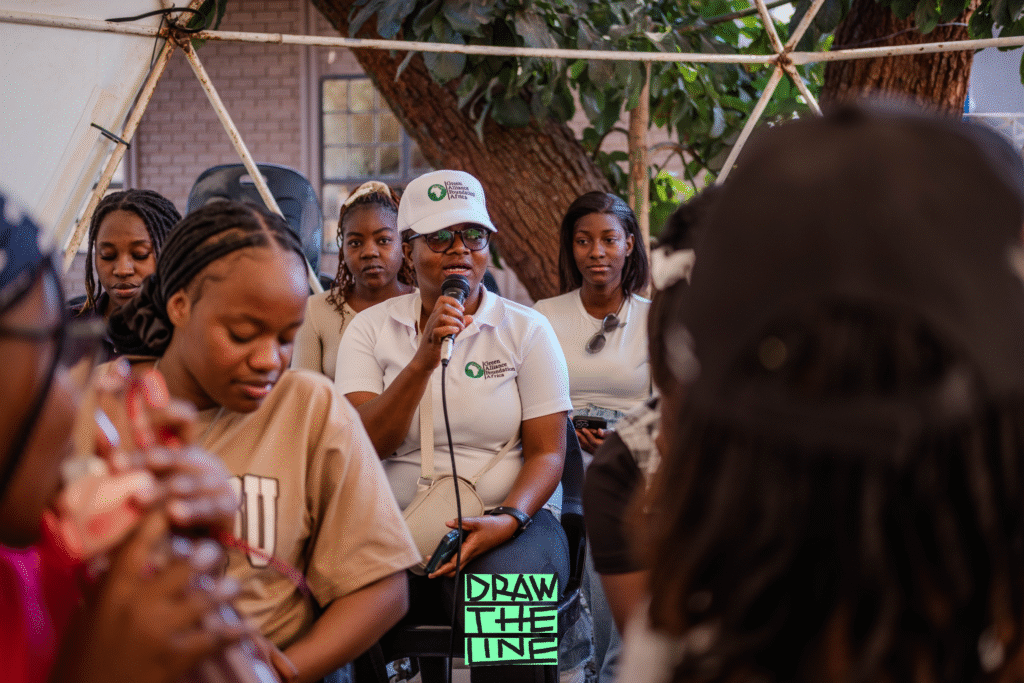
“The #DrawTheLine campaign was more than just a protest against all forms injustices. It was a creative moment that used poetry to channel emotion and urgency, created safe, reflective conversations about energy justice, finance, and Africa’s future and it captured young people’s vision of a just space through art,” she said.
Draw the Line campaigners have warned that climate inaction is already costing lives, calling for urgent prioritisation of community rights, environmental protection, and just energy transitions in both national and international policy agendas. They linked the climate crisis to everyday struggles such as food insecurity, energy poverty, unemployment, and shrinking civic space, stressing that climate justice cannot be separated from democracy, human rights, and peace.