Women from mining-affected communities across Zimbabwe called for stronger protections of land rights, water resources and community participation in the country’s growing critical minerals sector at the Women in Critical Minerals Summit 2026 held in Harare.
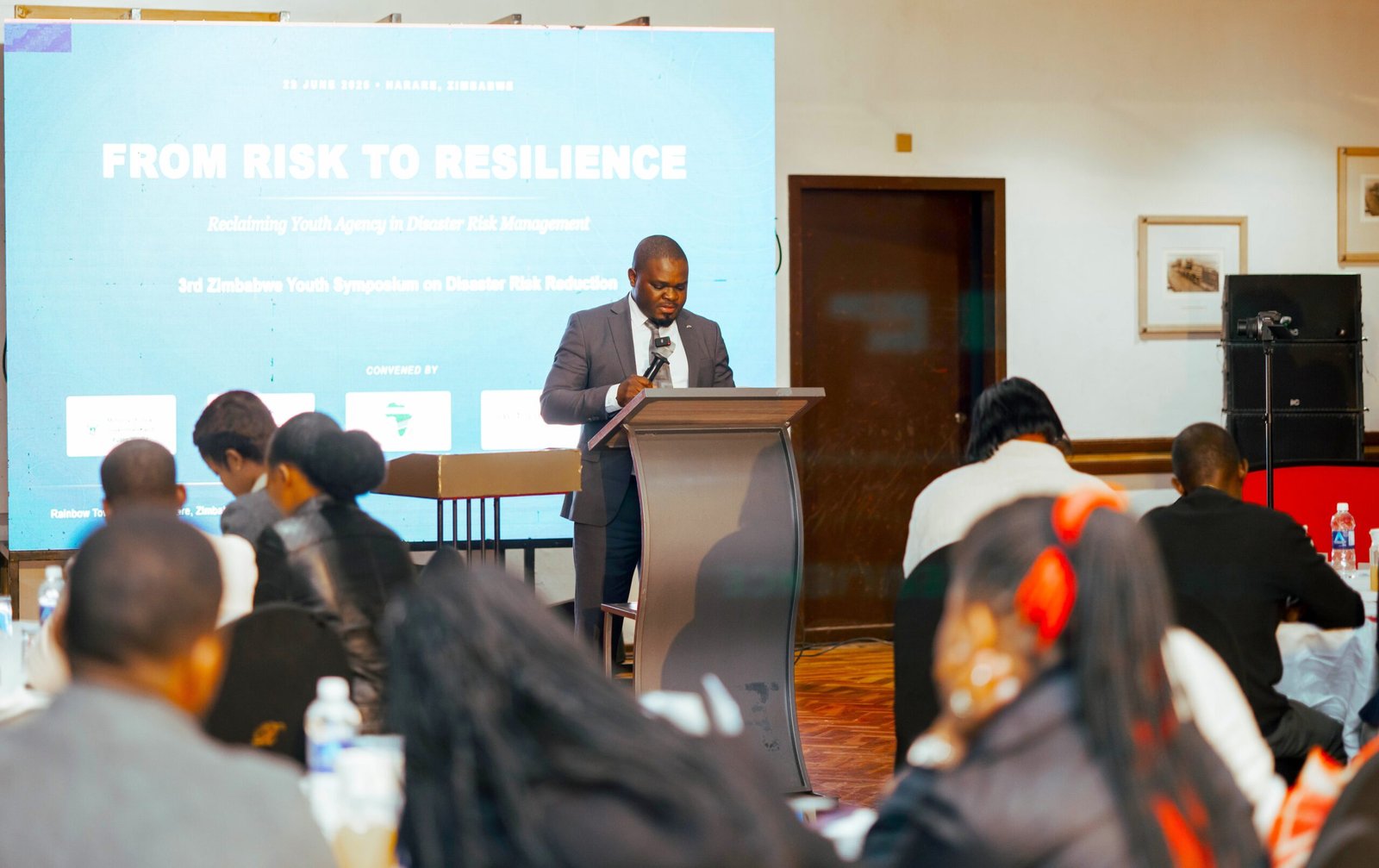
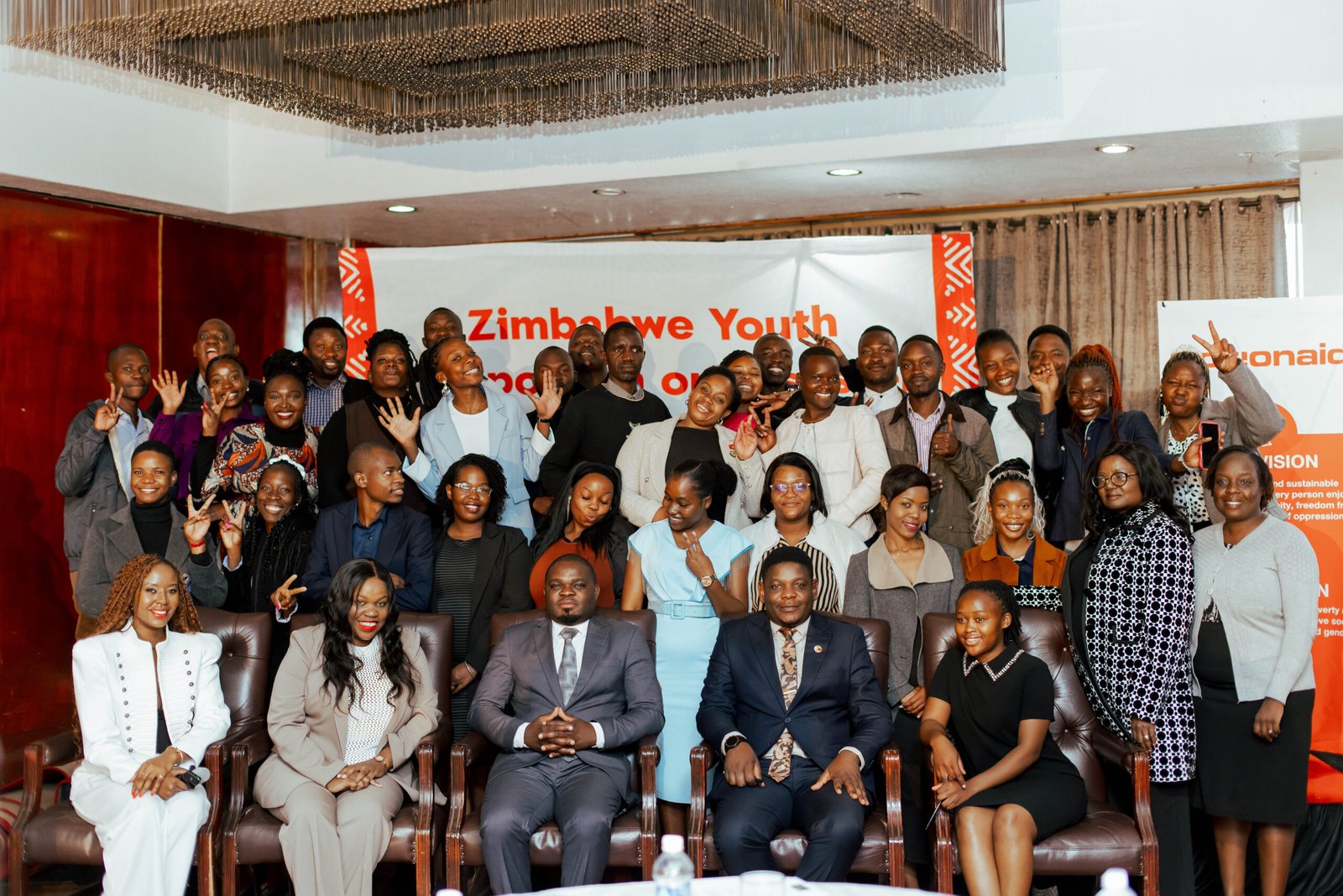
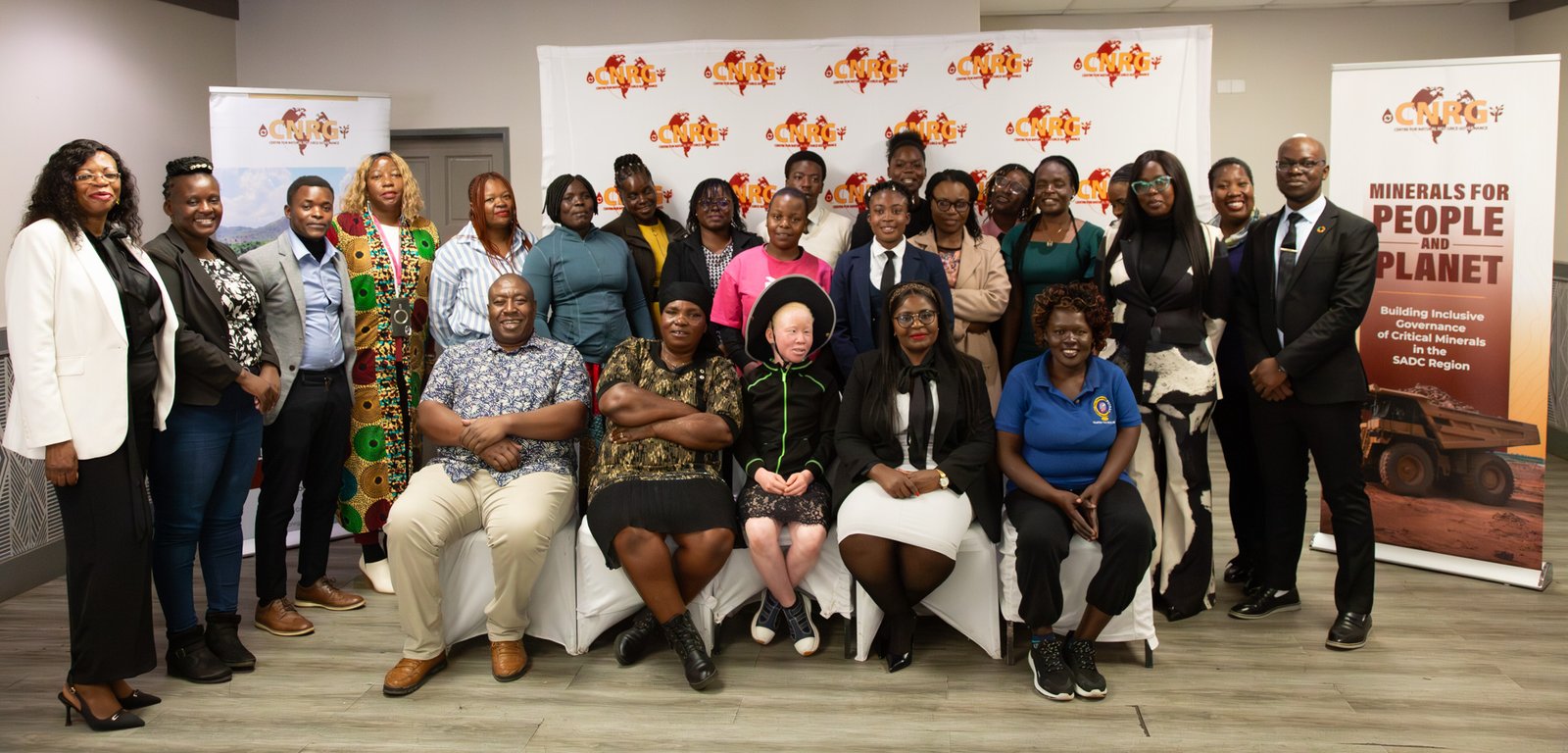
The two-day summit, organised by the Centre for Natural Resource Governance (CNRG Zimbabwe), brought together women leaders, community representatives, policymakers, researchers and civil society groups under the theme, “Her Land, Her Minerals, Her Future: Centring Women’s Rights and Leadership in Zimbabwe’s Critical Minerals Governance.”
Participants identified land rights and displacement, gender-responsive Free, Prior and Informed Consent (FPIC), water justice, environmental protection, corporate accountability, women’s leadership and representation, economic empowerment, benefit-sharing, prevention of gender-based violence and transparency in mineral governance as among the most pressing issues facing women in mining communities.
The gathering comes as Zimbabwe seeks to position itself as a key supplier of critical minerals, including lithium, which is increasingly in demand for the global energy transition.
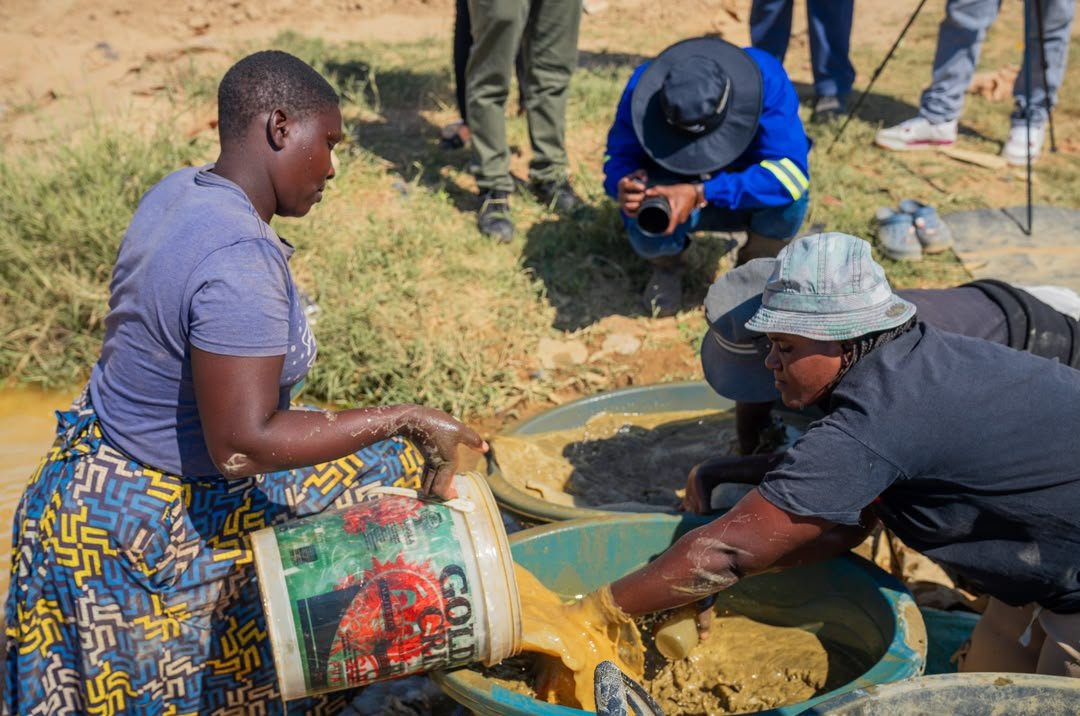
Community representatives from mining areas such as Bikita, Hwange, Buhera and Goromonzi shared experiences of displacement, water insecurity and exclusion from the benefits generated by mineral extraction.
CNRG Executive Director Farai Maguwu said mineral development should not come at the expense of vulnerable communities.
“Leaving no one behind means no one should be sacrificed for government revenue,” Maguwu told delegates.
The summit also marked the launch of a research report examining women’s experiences in critical minerals communities and the impacts of climate vulnerability.
Participants adopted a Women’s Declaration on Critical Minerals in Zimbabwe, which organisers said would serve as a roadmap for a more inclusive and gender-sensitive mining value chain.
The declaration calls for greater protection of community rights, increased participation of women in decision-making processes and stronger accountability mechanisms for mining companies and government institutions.
Isheanesu Chirisa said discussions throughout the summit highlighted the need to place communities at the centre of mineral governance.
“At the centre of these conversations are people, especially women,” Chirisa said.
Delegates also endorsed the establishment of the CNRG Gender and Extractives Platform, a network intended to strengthen advocacy, solidarity and monitoring among women in mining-affected communities.
Dr Valerie Jeche said the push for critical minerals needed to balance economic ambitions with social justice.
“No energy transition is green if it is built on the suffering of women in Bikita,” she said.
While participants acknowledged the economic importance of mining, they said communities should benefit more directly from mineral extraction.
“We are not saying mining should not happen; we are saying mining should be responsible,” one community participant said.
Organisers said the summit demonstrated growing demands for women to be recognised not only as stakeholders but as rights holders and decision-makers in Zimbabwe’s mineral governance sector.
A final declaration outlining recommendations for government, industry and civil society is expected to be released in the coming weeks.