Every afternoon, as the clock edges towards 4:30 p.m., young men begin gathering on a football pitch carved into the Monavale Wetland on the western edge of Harare.
For years, the ground has been a meeting place for residents, a recreational space for young people and, for many, a refuge from the pressures of everyday life.
Among them is Beven Mwanza, who has spent much of the last nine years playing football there.
There are no floodlights, no grandstands and no famous players, just a stretch of grass where, for nearly a decade, young people have gathered every afternoon to play the game they love (the beautiful game).
“I have been playing football on the wetland since I was in secondary school 2017. I am now in my final year of university. It’s crazy how time flies, 9 years to be precise,” Mwanza said.
The wetland has long served as an informal meeting point for young people in the community, drawing players every afternoon for matches that are as much about friendship as they are about football.
“The space means a lot to me and the other young people in the community. It’s that one place where we interact,” Mwanza said.
“Most of the people I call friends in Monavale, I met them on that very pitch.”
Every day, anticipation builds towards 4.30pm, when players begin arriving for kickabout sessions that often stretch into the evening. For many, the ground provides more than recreation.
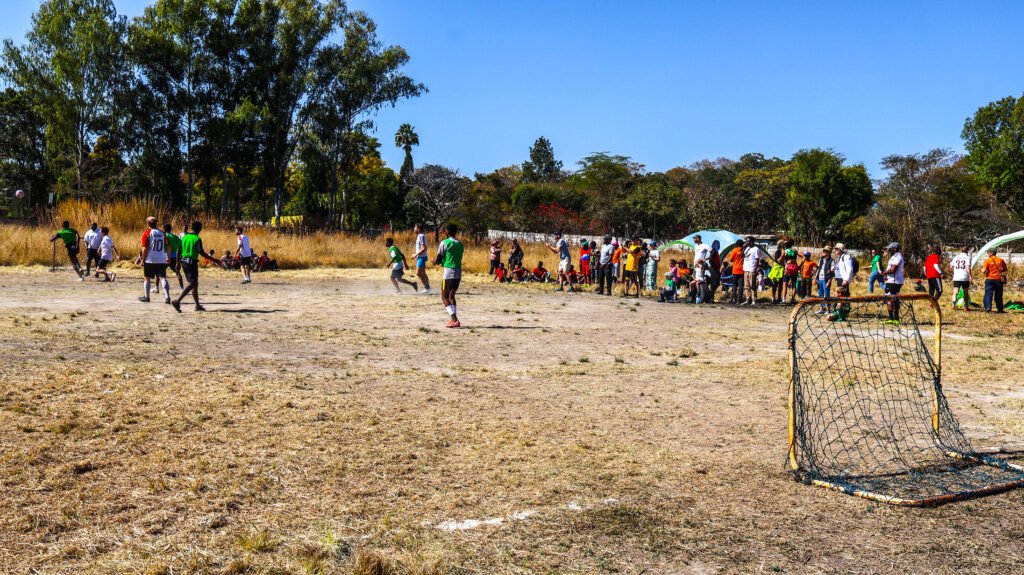
“Apart from interaction it’s a place where we escape to and create weekly memories through goals, passes, skills and cheers.”
“We cannot wait for 16:30pm to strike each day,” he added
That sense of attachment was tested when proposals emerged to develop parts of the wetland, triggering concern among residents who argued the ecosystem should remain protected.
Mwanza was studying at Bindura University when he first heard about the plans.
“In a way, I felt robbed of what I had believed in since the days I started attending COSMO Kids Club in 2009,” he said.
Growing up, he had been taught about the importance of wetlands and their role in supporting both people and nature.
The prospect of development left him questioning the commitment to environmental protection.
“I remember asking myself, if the very people who propose these laws and regulations for the protection of these ecosystems are now tripping themselves in their own way, what does that actually mean?” he said.
“It did not make sense to me.”
The debate over Monavale shows the competing pressures facing urban wetlands across Zimbabwe, where conservation concerns often intersect with demands for development.
In May this year, a section of the Monavale Wetland Ramsar Site became the centre of a dispute after a group of MPs and government officials, reportedly led by Bikita West MP Energy Mutodi, sought to convert part of the protected wetland into residential stands.
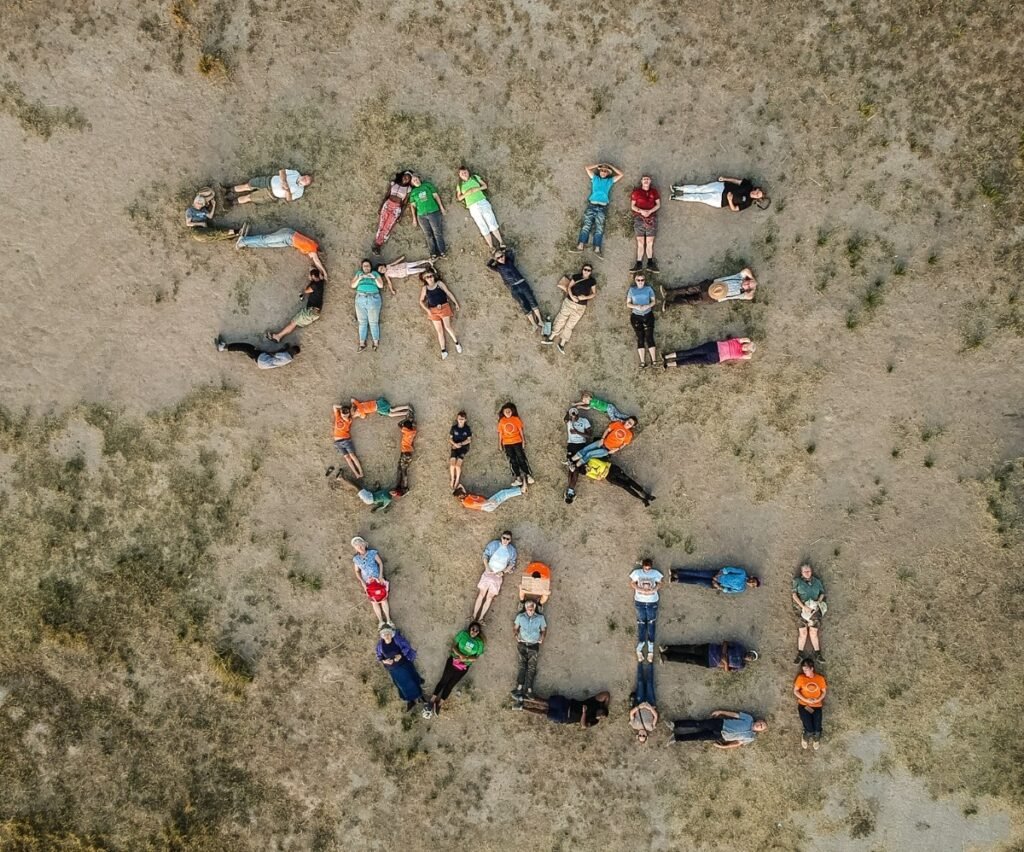
The proposal triggered resistance from residents who responded to the proposed development through a series of peaceful demonstrations, including forming the words “Save Our Vlei” in an act of civil resistance that quickly spread across social media and forced a public response from government officials.
On June 9, the familiar rumble of heavy machinery broke the stillness of the Monavale Wetland.
For residents who have spent years defending one of Harare’s last remaining wetlands, the sight was instantly alarming.
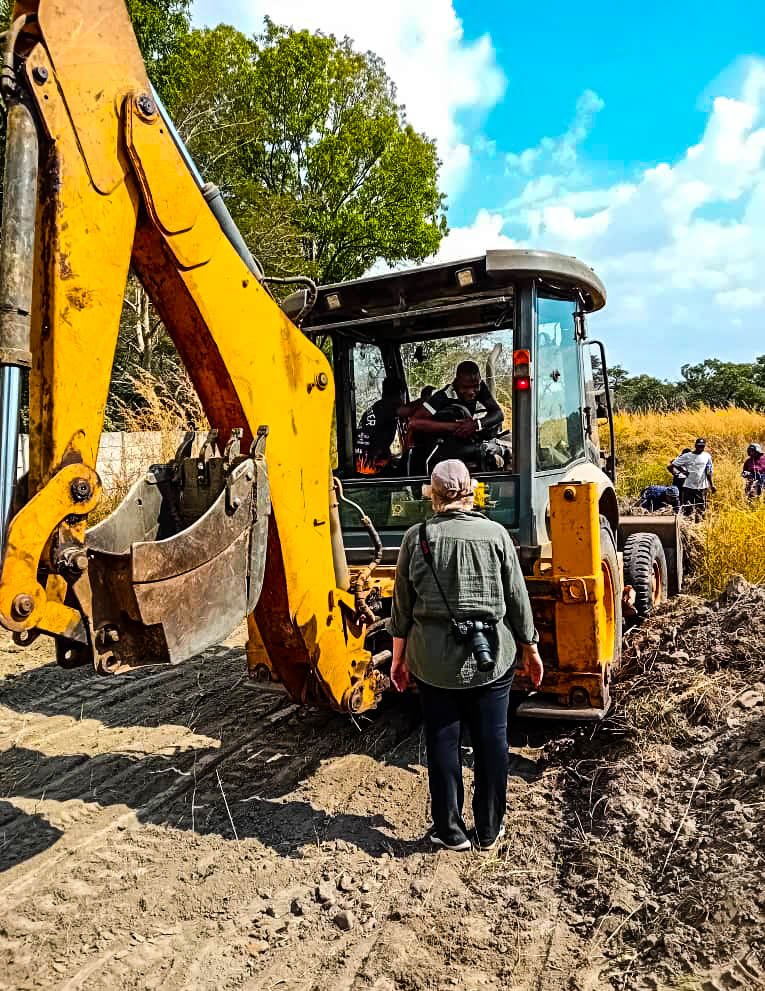
Bikita South MP Energy Mutodi had returned to the protected wetland with graders, according to residents and environmental activists, despite repeated declarations from the President’s Office and the Ministry of Environment that wetlands are a “no-go area” for development.
What followed was a confrontation that has since become emblematic of the community’s resistance. As the graders moved onto the wetland, veteran residents positioned themselves in front of the machinery, refusing to move. Their actions halted the operation and prevented grading from taking place
Their campaign ultimately succeeded, with the proposed development halted.
Bikita West MP Energy Mutodi, who led the group of nearly two dozen MPs, admitted defeat.
“I had a meeting with the Speaker of Parliament and also with the minister of local government and we were advised to stop any developments on that site,” he said.
“The current status is that there is not going to be any development for Member of Parliament stands at that site. Everything has been stopped. I’m sure there is going to be alternative land that is going to be allocated to these MPs.”
When community efforts succeeded in protecting the wetland, Mwanza said the relief was immediate.
“When I learnt that the community’s efforts did not go in vain, I was so relieved and grateful,” he said.
The outcome was celebrated among the footballers who had spent months discussing the future of their beloved ground.
“Funny enough, on the day the confirmation clip circulated, me and the other guys had been talking about it earlier. Everyone was saying, ‘Dai vakasa winner vakuda kutitorera ground redu,'” he recalled with a laugh.
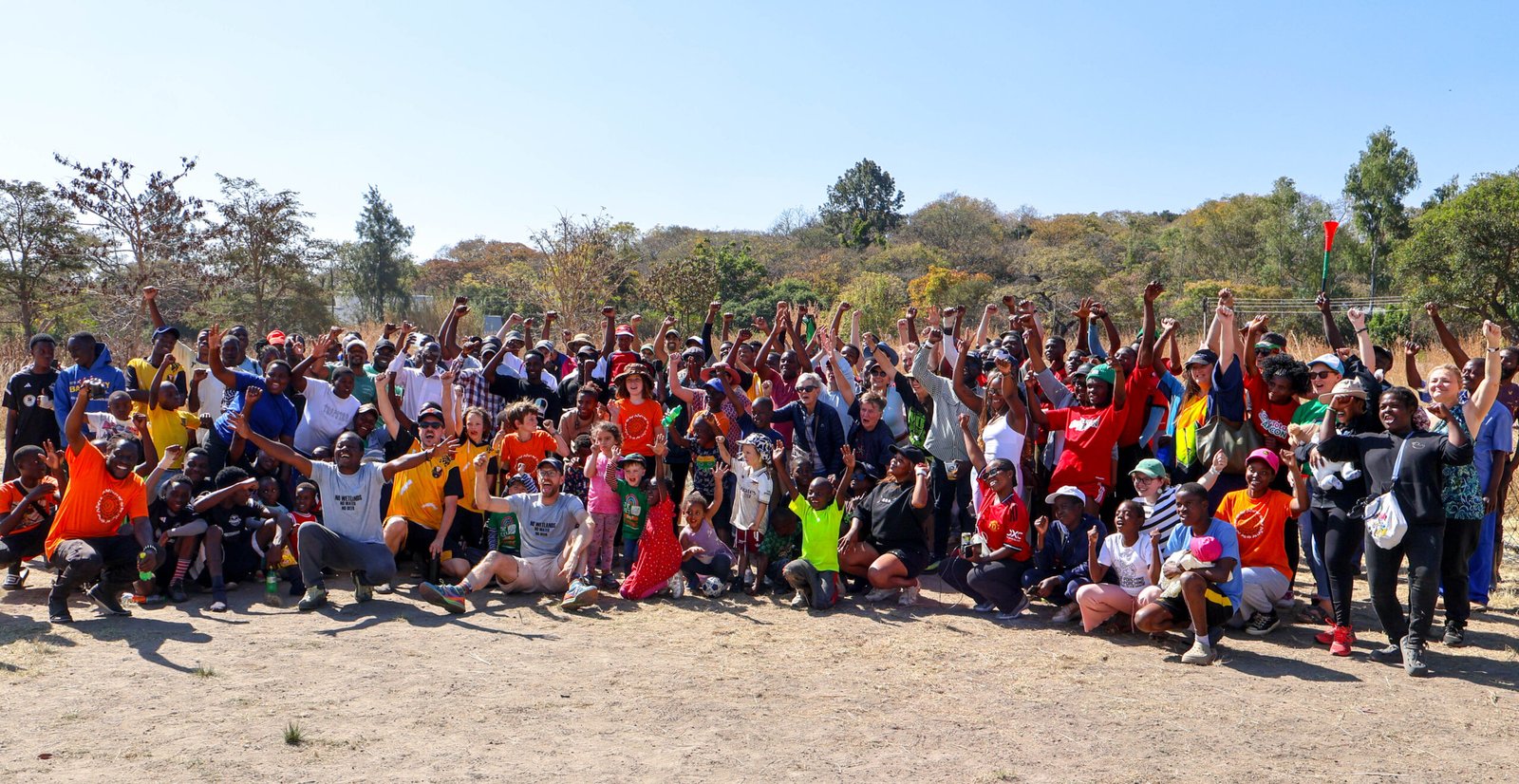
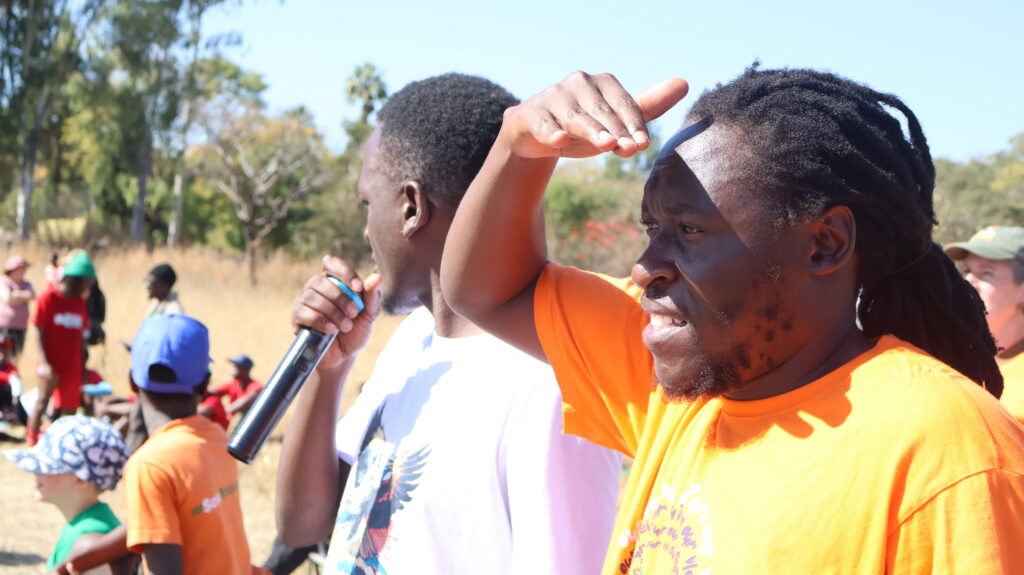
Days later, residents returned to the site for a different purpose. The Wetland Warriors Cup, a community football tournament held on the same pitch, brought together players and supporters from across Harare in what organisers described as both a sporting event and a celebration of community action.
Legal practitioner Doug Coltart said the tournament carried added significance because it took place shortly after the dispute was resolved.
” The Wetland Warriors Cup took on new significance, happening just a week after the defeat of Mutodi and all those who were seeking to invade that land.,” Coltart said.
“It was also a celebration of football of course as the beautiful game that brings us all together and a celebration of what we can do as citizens when we boldly, courageously stand up to those who want to abuse their power to try and get what they want.”
One of the tournament organisers Samm Farai Monro described the tournament as a celebration of a successful grassroots campaign.
“It was a day to celebrate our victory as we had come together as Harare residents to successfully resist moves by the powerful to destroy a vital wetland,” he said.
The event attracted participants from different parts of Harare, including communities affected by flooding and water challenges linked to environmental degradation.
Kate Bridges, a Monavale resident and one of the tournament organisers, said the event stressed the wider importance of wetlands beyond the communities that live alongside them.
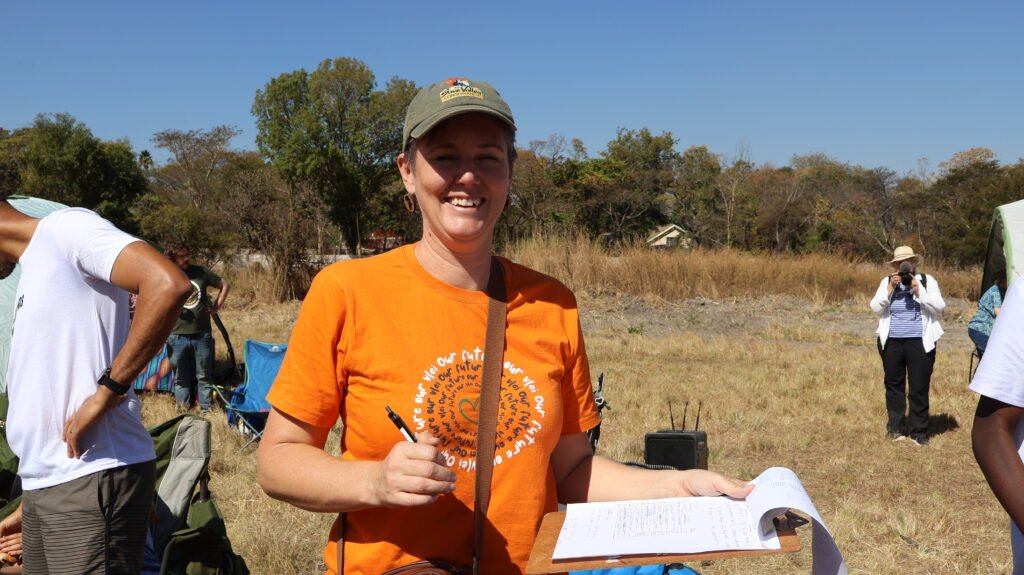
“Sometimes people think the wetland is only for those immediately around it, but the wetland serves the whole of Harare,” she said.
“It’s important as an ecological asset, but it’s also important as a place where communities gather. These spaces matter for physical health, mental health and social connection.”
For organisers, the tournament was intended to demonstrate that wetlands are public resources rather than opportunities for private development.
“Monavale is a testimony that residents have the power to stop any form of development that destroys their environment,” said Tafadzwa Gwini, one of the event coordinators.
The controversy surrounding Monavale reflects a broader challenge facing cities around the world as urban expansion increasingly collides with environmental protection.
The Ramsar Convention on Wetlands’ Global Wetland Outlook 2025 report, an estimated 411 million hectares of wetlands , about 22% of the global total, have been lost since 1970.
The report warns that without urgent action, one-fifth of the world’s remaining wetlands could disappear by 2050. The Ramsar report estimates that the loss of wetland ecosystems could cost the global economy up to $39 trillion in benefits by mid-century.
For now, the football pitch remains, preserved alongside the wetland beneath it, a rare victory in a world where wetlands continue to disappear at an accelerating pace.