By Florence Kayungwa Climate and Environment Journalist
For Janet Mukarati, the sound of blasting from nearby mining operations has become a source of fear.
In Chibamu village, Goromonzi, Mukarati says repeated blasting at nearby mines has caused cracks to appear in her house, leaving her worried about the safety of her family and uncertain about where she can go if the structure becomes uninhabitable.
She recalls one frightening moment when the house cracked while she was sleeping.
“When they blast at their mines, my house cracks. At first, I tried to fix it, but they blasted again and it cracked. I have nowhere to go,” said Mukarati.
The damage, she says, is not only to her home. The dust generated by mining activities has also become a daily challenge for residents.

Mukarati says she has developed persistent respiratory problems which she associates with exposure to mining dust.
“I am also now suffering from tuberculosis because of this dust. I am coughing endlessly. I don’t know what to do,” she said.
Her experience reflects broader concerns among communities living alongside mining operations, where environmental degradation can intersect with livelihoods, health and housing insecurity.
For women in affected communities, these risks can be particularly difficult to escape. When homes are damaged or the environment becomes unsafe, families may have limited resources to relocate, seek alternative livelihoods or meet the costs associated with health problems.
ActionAid Zimbabwe says communities affected by environmental harm need stronger systems of accountability and compensation.
Blessing Gorejena, Head of Programmes and Resource Mobilisation at ActionAid Zimbabwe, called for increased public financing for public services and climate action, alongside stronger monitoring to ensure that public budgets, climate finance and mineral revenues deliver tangible benefits for women and excluded groups.
The organisation also called for enforcement of the polluter pays principle, arguing that environmental offenders should be legally required to cover the full costs of pollution assessment, clean-up, ecosystem restoration, livelihood recovery and compensation, rather than simply paying administrative fines.
Gorejena said Zimbabwe also needs a clear community reparations framework that sets minimum standards for environmental restoration, livelihood replacement, medical support, access to safe water, land restoration, compensation for economic losses and guarantees of non-repetition.
“Reparations should be determined through transparent, gender responsive and community led processes,” said Gorejena.
Meanwhile, the Minister of State for Mashonaland East Provincial Affairs and Devolution, Advocate Itayi Ndudzo, said the government was working with the Environmental Management Agency (EMA) to promote responsible environmental practices and protect communities from the negative impacts of mining.
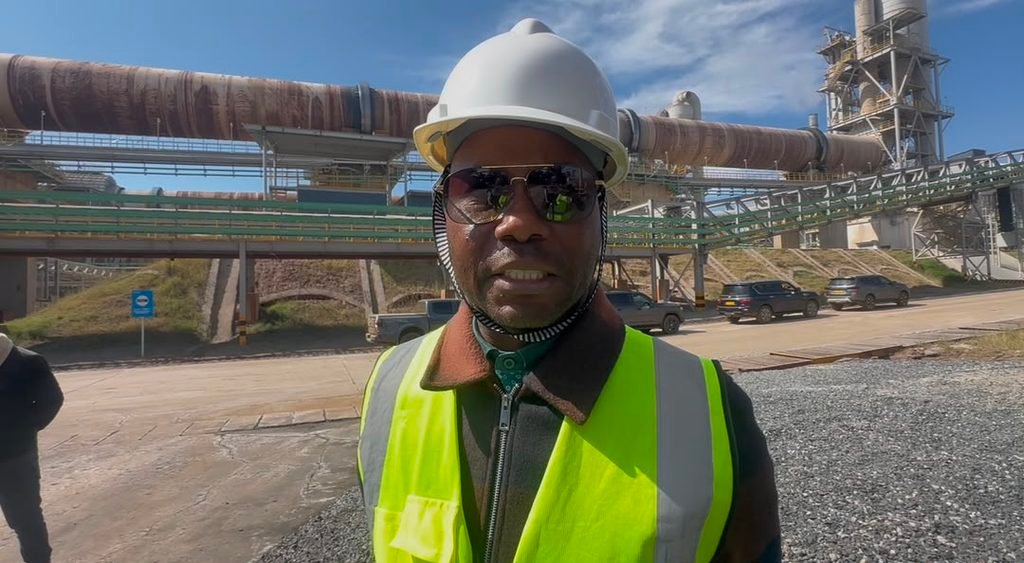
“We are working with the Environmental Management Agency to promote good environmental stewardship and protect our people from mining harms,” said Ndudzo.
For residents such as Mukarati, however, the issue is immediate: the cracks in their homes are already there, the dust continues to hang in the air, and the fear of what another blast could do remains.
As Zimbabwe continues to benefit from its mineral wealth, communities living closest to mining operations are demanding that development does not come at the expense of their homes, health and livelihoods.
For Mukarati, the question is simple but urgent: if the mining continues to crack her home, who will help her rebuild her life?