By Florence Kayungwa | Climate and Environmental Journalist
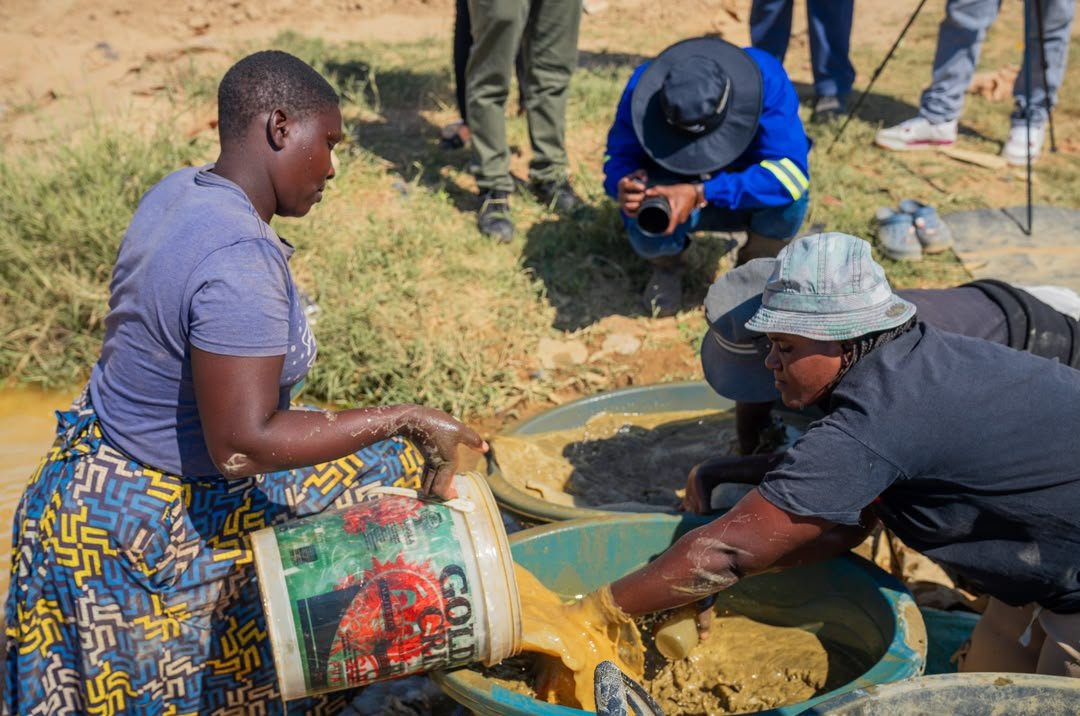
Women artisanal miners in Shamva say they will continue using mercury in gold processing despite its known health and environmental dangers, arguing that mining remains their main source of income.
Zimbabwe’s artisanal and small scale mining sector accounts for a significant share of the country’s gold production. However, the widespread use of mercury to extract gold remains a major environmental and public health concern.
Mercury can contaminate water sources and soil, exposing miners and surrounding communities to serious health and environmental risks.
For women miners in Shamva, however, economic survival often takes precedence over the risks associated with mercury exposure.
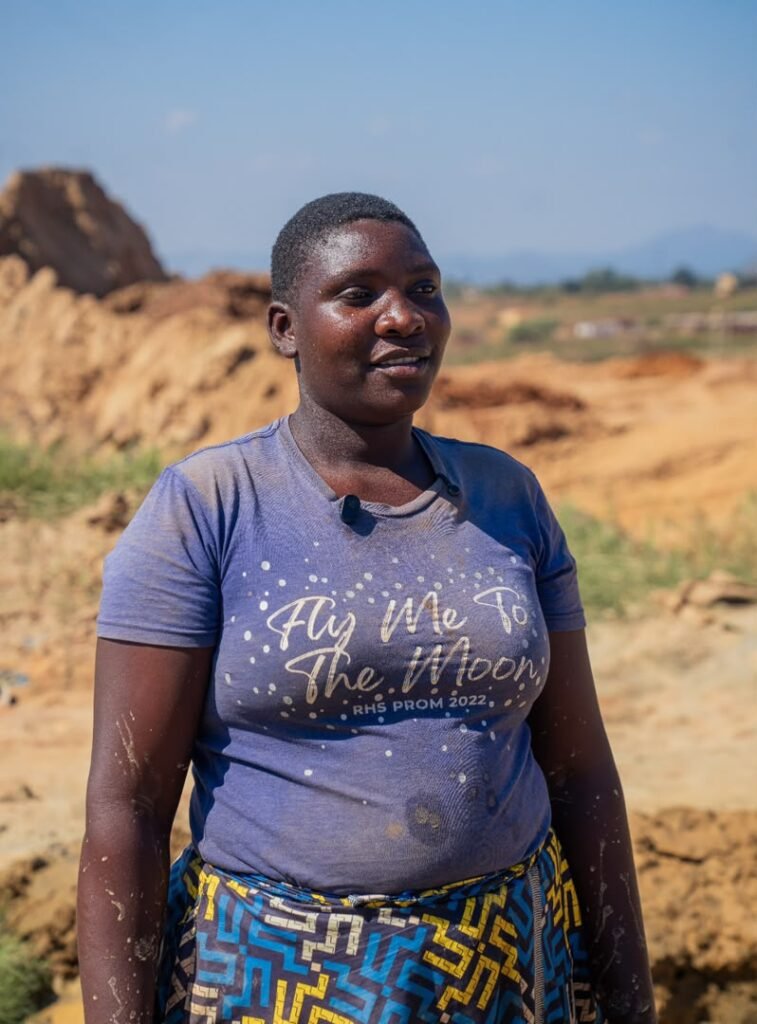
“I have been involved in mining for three years and we use mercury because it is the cheapest thing,” said Mavis, a woman artisanal miner in Shamva.
Another miner, Chipo, acknowledged the environmental consequences of their activities, particularly the impact on the Mazowe River.
“Yes, we can see that we are even polluting the Mazowe River, but what can we do? That is our source of living,” she said.
The women also spoke about the economic pressures they face at home, saying some have experienced gender based violence when they ask their husbands or partners for financial support.
For some, mining has therefore become more than a means of earning an income. It is a way of maintaining financial independence and meeting basic household needs.
Despite being aware of the dangers associated with mercury, the women say they have few safer and affordable alternatives.
Responding to the concerns, PlanetGOLD Zimbabwe says mercury use remains one of the major challenges facing the country’s artisanal and small scale mining sector.
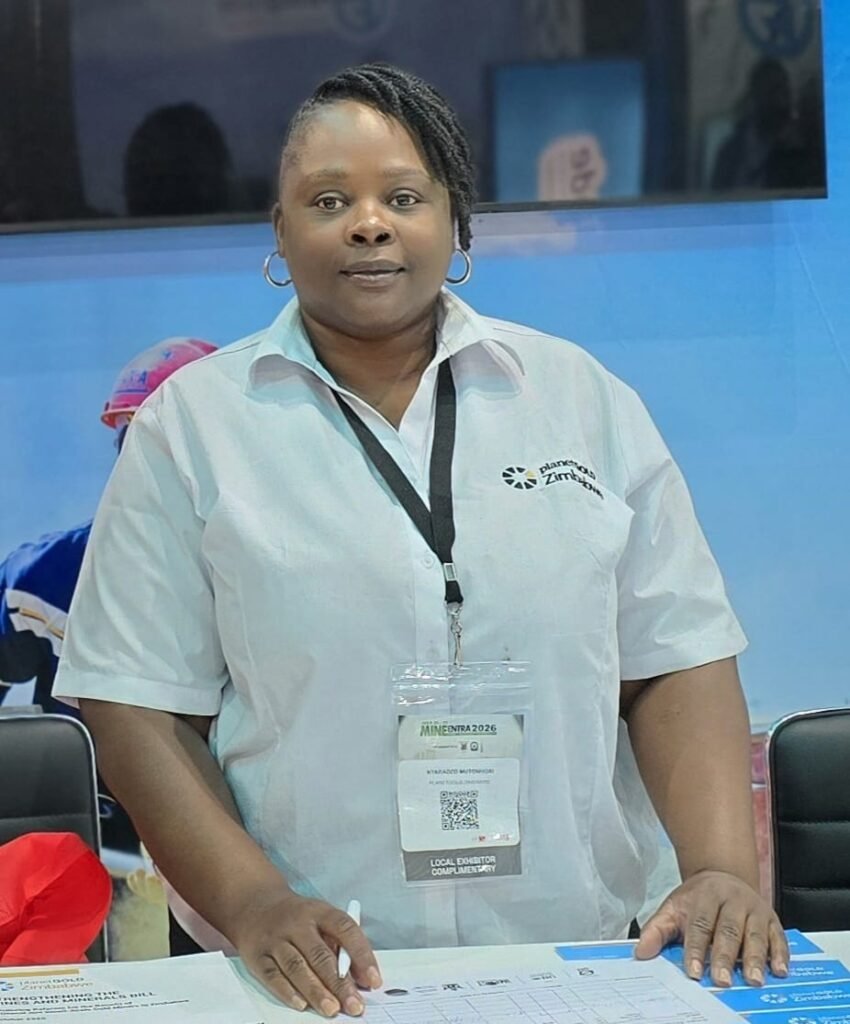
PlanetGOLD Zimbabwe Project Manager Nyaradzo Mutonhori said the organisation is working with mining communities to reduce mercury use and promote safer alternatives.
“We are working with mining communities to promote mercury-free gold processing technologies while raising awareness about the serious health and environmental effects of mercury exposure,” Mutonhori said.
The Environmental Management Agency (EMA) says protecting Zimbabwe’s water bodies requires collective action from government, communities and other stakeholders.
The agency says it will continue engaging mining communities and enforcing environmental regulations aimed at reducing pollution and environmental degradation along the Mazowe River.
But for organisations working on gender equality and social justice, addressing mercury pollution must also involve tackling the economic conditions that push women into hazardous work.
ActionAid Zimbabwe says mining communities should not be left to bear the environmental and health costs associated with mining.
Blessing Gorejena, ActionAid Zimbabwe Head of Programmes and Resource Mobilisation, called for greater accountability from both government and mining companies.
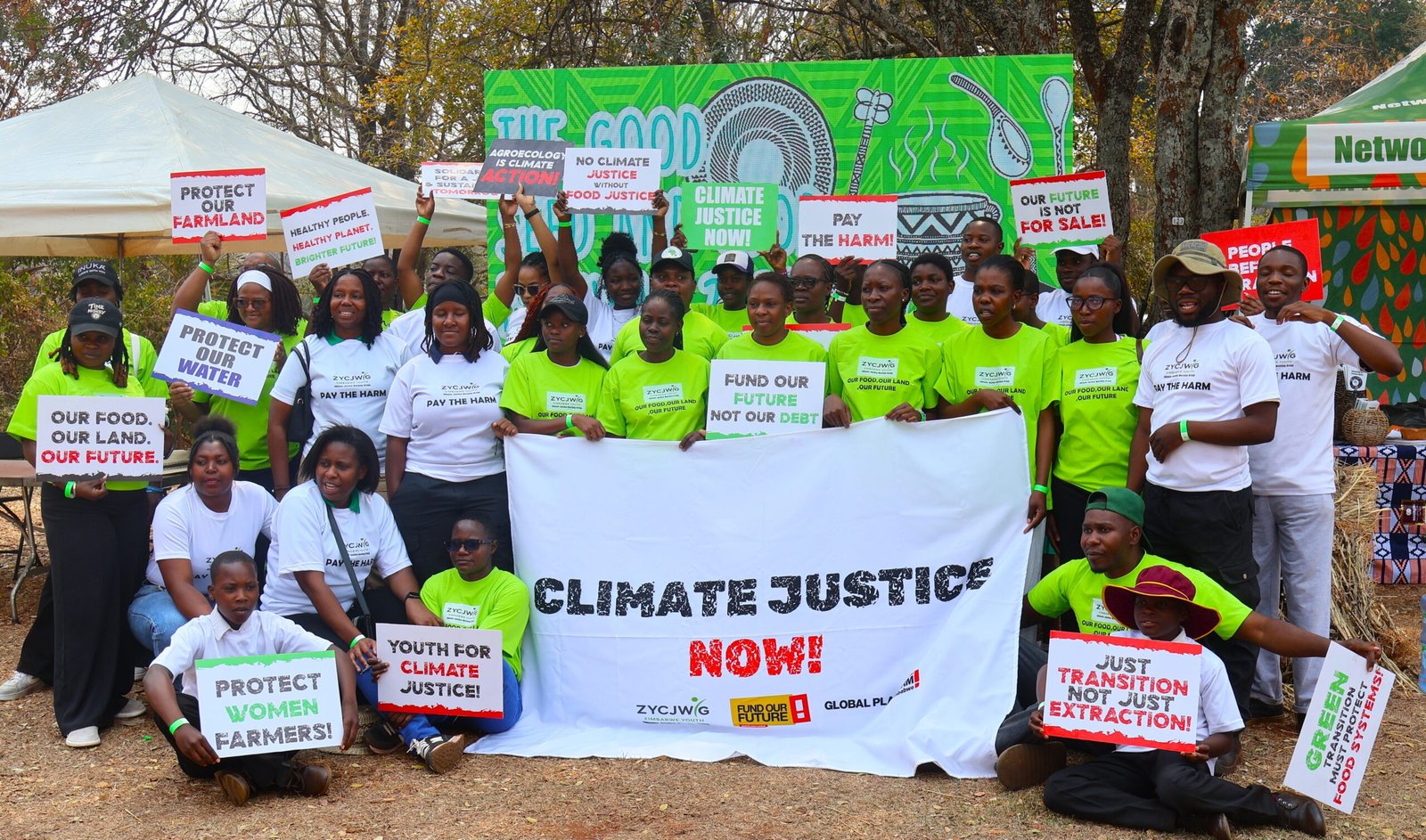
“Under #PayTheHarm, our position is that polluters must be held accountable. Companies and the State have an obligation to prevent harm, repair environmental damage and compensate affected communities,” Gorejena said.

She said this should include the remediation of polluted water sources such as the Mazowe River and ensuring that communities affected by environmental damage are not left to absorb the associated health and environmental costs.
ActionAid is also calling for increased public financing for services, livelihoods and social protection through its Fund Our Future campaign, arguing that enforcement alone cannot address the immediate economic pressures facing women miners.
Gorejena said government has a role to play in regulating mining, enforcing environmental standards, providing access to safe water and supporting the formalisation of artisanal mining.
She also called for greater access to safer, mercury free technologies and alternative livelihoods.
“The immediate need for survival cannot be addressed by enforcement alone,” she said.
ActionAid further emphasised the importance of community led and gender responsive solutions, saying women should have a direct role in decisions concerning environmental restoration, alternative livelihoods and the management of mining impacts in their communities.
“A just transition cannot sacrifice communities for minerals. Environmental safety and economic survival must be delivered together,” Gorejena said.
She added that women should not be blamed for turning to hazardous work when safer economic alternatives are unavailable.
As Zimbabwe pushes towards more sustainable mining practices, the experiences of women in Shamva expose a difficult reality: for communities struggling to survive, environmental protection cannot be separated from economic security.
The women say they understand the dangers of mercury and acknowledge the pollution affecting their environment. But without affordable alternatives, mining remains one of the few ways they can earn an income.
Stakeholders say expanding access to mercury free processing technologies, creating alternative livelihoods, strengthening social protection and ensuring effective environmental regulation will be critical to reducing mercury use.
For the women of Shamva, the challenge is not simply choosing between gold and the environment. It is finding a way to survive without having to sacrifice their health and the environment around them.