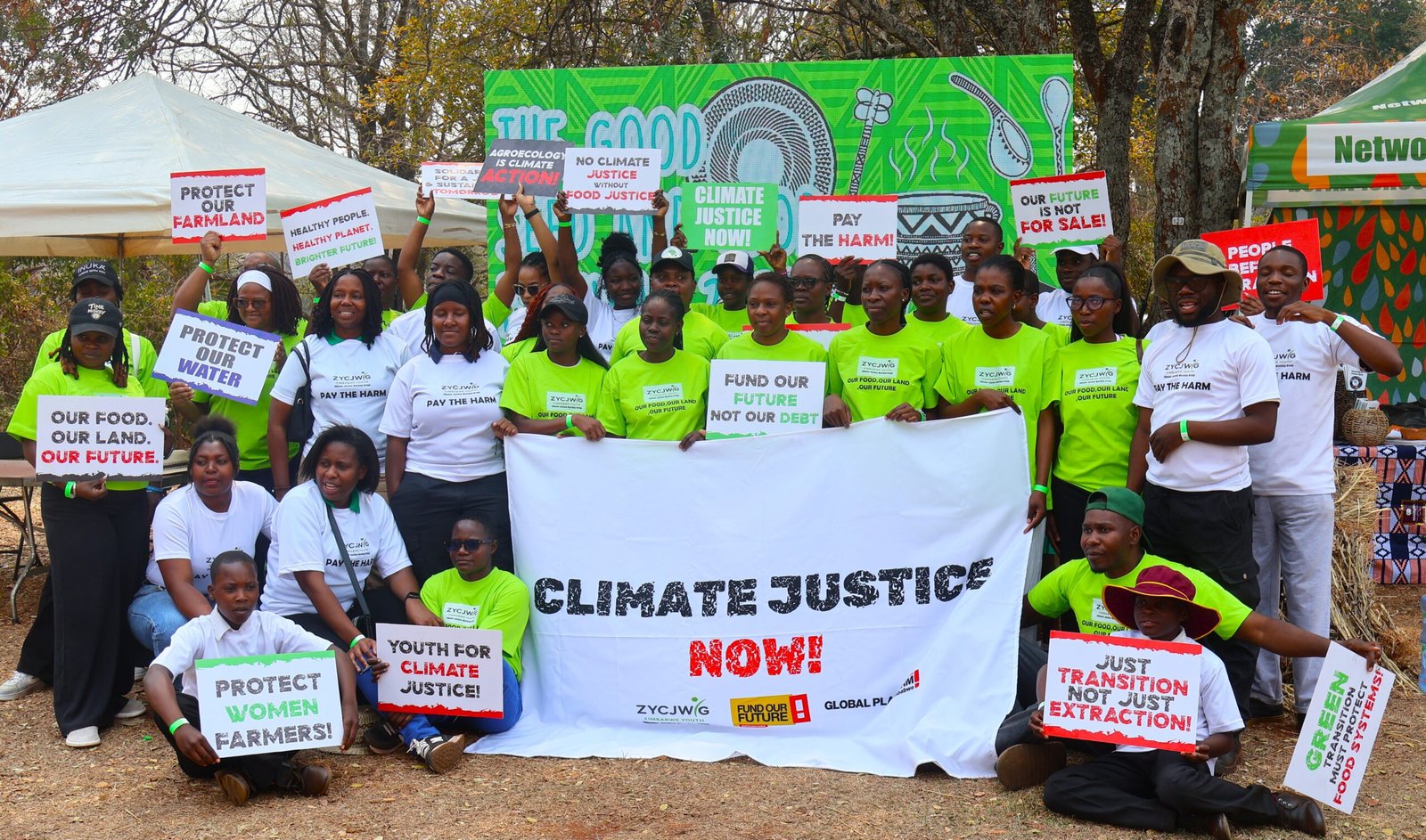
Children remain underrepresented in climate policies and funding despite facing risks that can affect their entire lives, UNICEF has warned.
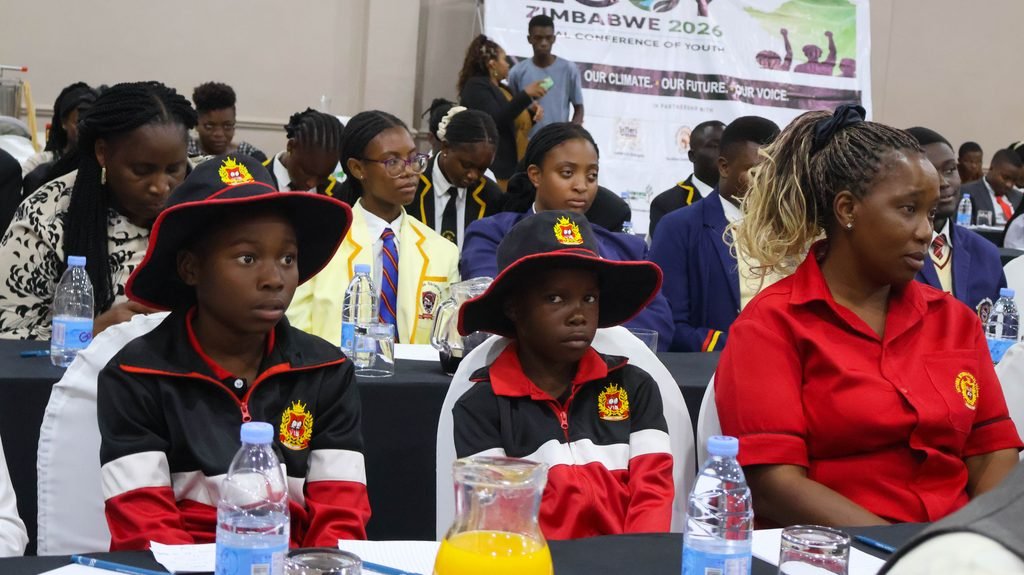
This was said recently during Zimbabwe’s Local Conference of Children and Youth on Climate Change.
UNICEF programs specialist, Climate and Environment, Egline Tawuya called for children’s needs and rights to become central to climate action
“While progress has been made, children remain underrepresented in climate policies and financing,” Tawuya said.
“Despite constituting one-third of the world’s population, only a very small proportion of global climate finance directly responds to the needs and rights of children. This must change,” she said.
Her remarks highlighted how climate shocks reach into children’s daily lives, affecting their education, health, nutrition and safety.


Tawuya said Zimbabwe continues to experience recurrent droughts, floods, water scarcity, disease outbreaks and threats to food security.
“These shocks disrupt education, damage health and nutrition outcomes, increase protection risks, and place additional burdens on families and communities.”
The consequences can persist long after an emergency has passed, disrupting education, undermining health and nutrition, and threatening livelihoods in ways that can shape a child’s future.
“Climate change affects children and youth differently and more severely. Their bodies, brains, and immune systems are still developing,” she said.
“When schools are damaged by cyclones, when water sources dry up, when health facilities cannot function, or when livelihoods are lost, the impacts can affect a child’s entire life trajectory.”
Ahead of COP31, the United Nations climate summit, UNICEF is calling for a dedicated child-focused mandate to ensure children’s rights, needs, vulnerabilities and capacities are systematically considered in climate policies and action.

“This is not about creating new structures; it is about ensuring that existing climate commitments work for children.”
Zimbabwe and other countries in the region, Southern said this requires investment in climate-resilient schools, health facilities, water systems, nutrition services and social protection programmes.
Tawuya also called for children and young people to have meaningful influence over decisions.
“You are not only the generation that will inherit the consequences of climate change; you are already experiencing its impacts and are actively contributing solutions.”


UNICEF pledged to continue working with government, development partners, civil society, communities and young people to strengthen essential services and child-responsive climate policies.
“Because protecting children from climate change is not only an environmental imperative. It is a development imperative. It is a human rights imperative. And it is an investment in our shared future.”
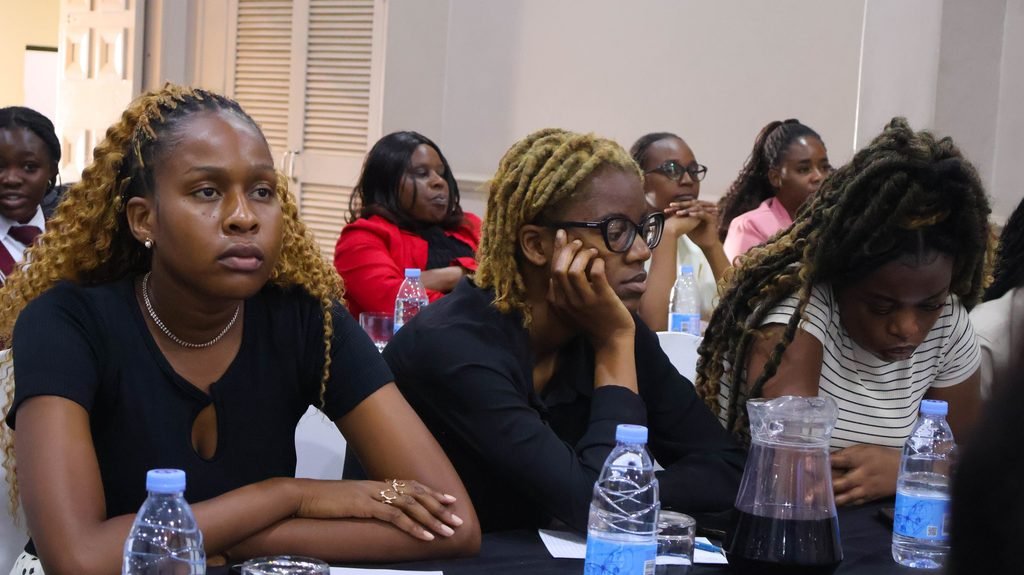
The 2026 Local Conference of Youth brought together young people from across Zimbabwe to develop climate recommendations ahead of COP31, focusing on water security, food production, green jobs and stronger youth participation in policymaking.