By Florence Kayungwa | Environment and Climate Journalist
HARARE, Zimbabwe- Zimbabwe is pushing for a more inclusive approach to formalising artisanal and small scale gold mining, with a new initiative calling for miners to receive technical support, access to finance and practical assistance to comply with environmental regulations.
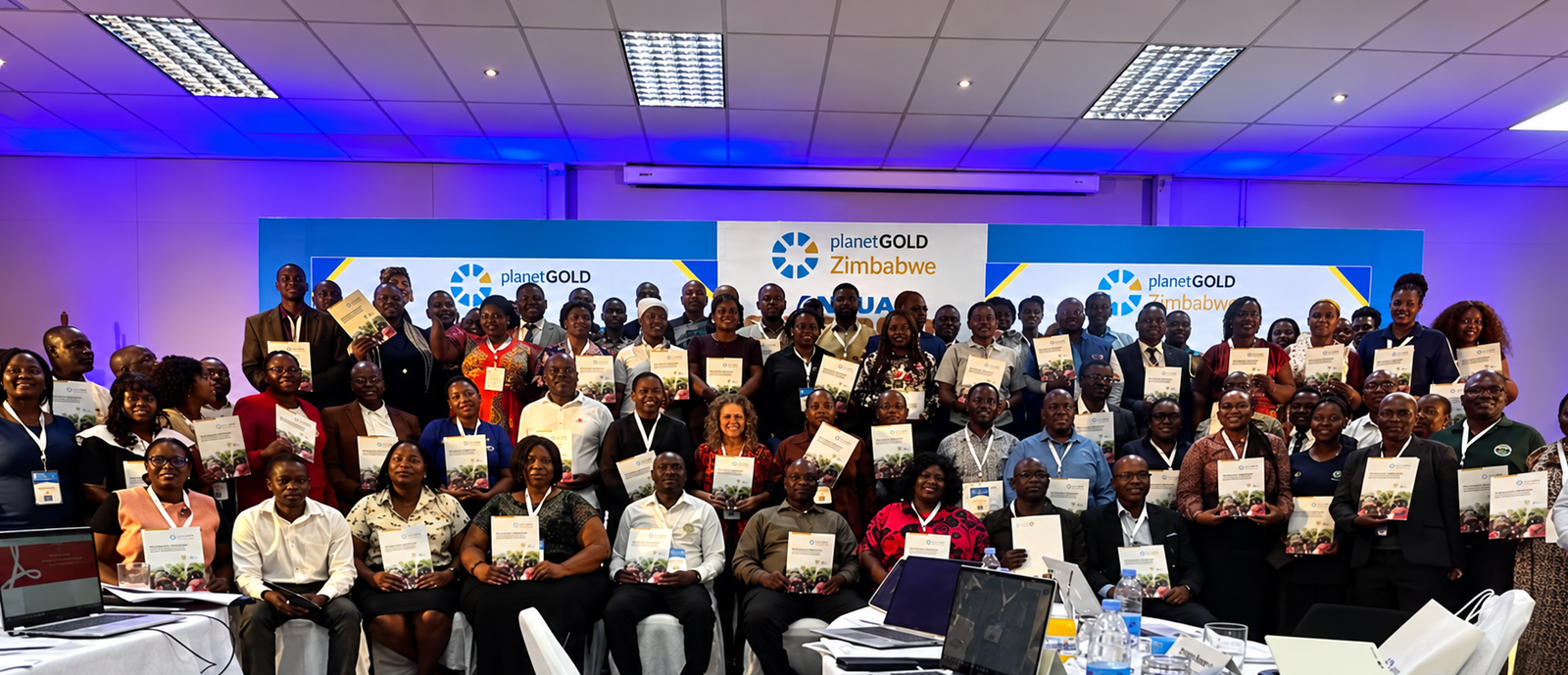
The approach, promoted by planetGOLD Zimbabwe through a newly launched publication on mining formalisation, seeks to move beyond licensing and regulation towards a system that helps miners operate legally while adopting safer and more sustainable gold processing methods.
Speaking at the launch, planetGOLD Zimbabwe Project Manager Nyaradzo Mutonhori said formalisation must address the practical challenges miners face, rather than simply requiring them to obtain licences and comply with regulations.
“Formalisation should be in a holistic manner beyond simple licensing and regulation by provision of technical support and progressive compliance with environmental regulations,” said Mutonhori.
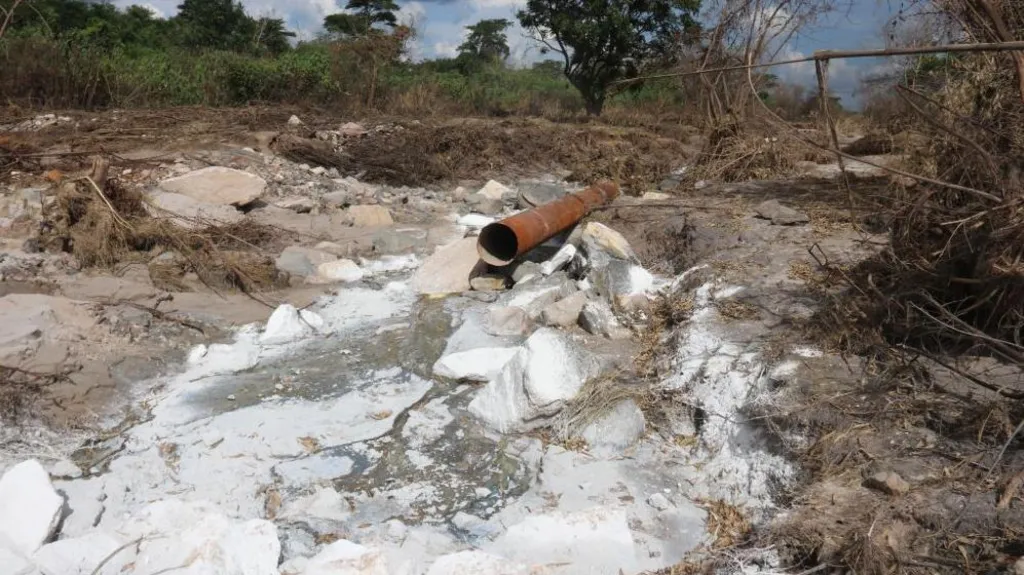
The proposed shift could help address one of the sector’s biggest environmental challenges, mercury use in gold processing. Mercury is used to separate gold from ore, but its improper handling and release into the environment can contaminate water and soil and expose miners and nearby communities to serious health risks.
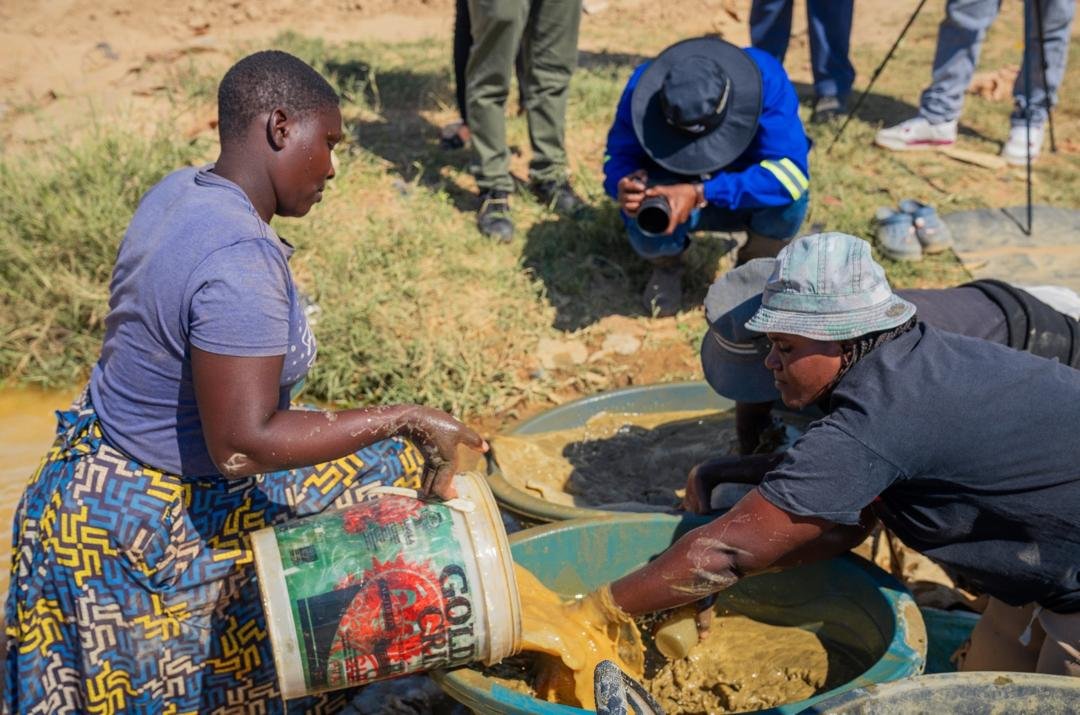
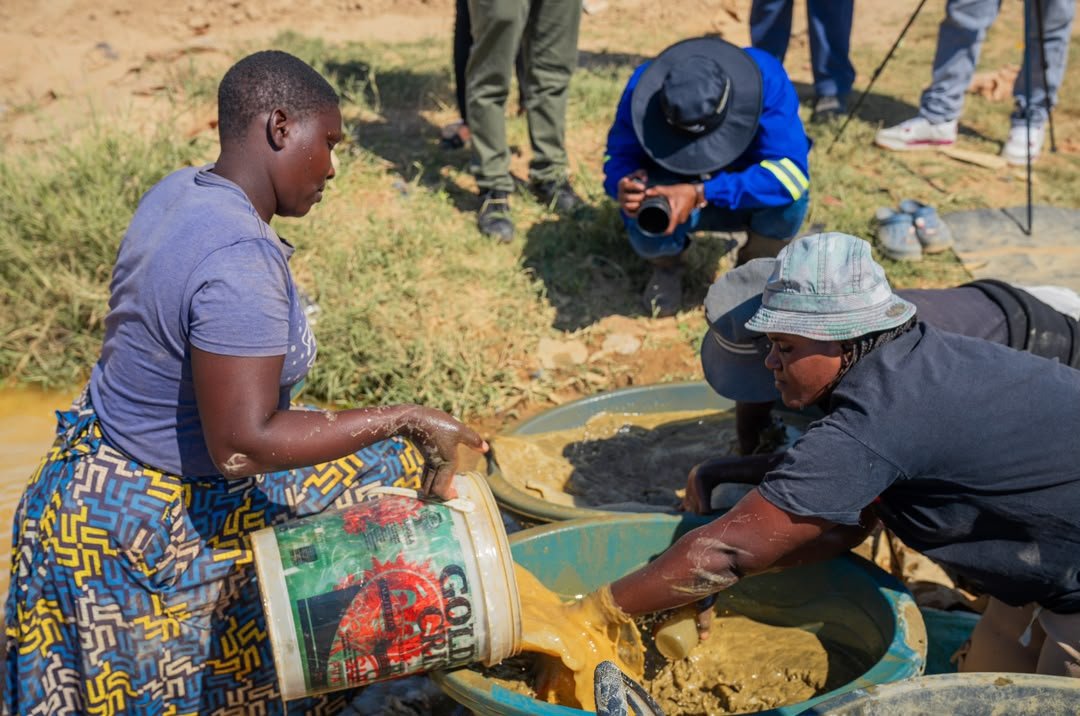
For women miners, however, the journey towards formalisation can be difficult when the process itself requires money and documentation they may struggle to obtain.
Small scale miner Priscilla Masuka said the cost of registration remains a barrier for women seeking to formalise their operations.
“As women miners, we need money for registration, and we are required to produce formal documentation. This creates a difficult cycle because we need money to register, but accessing the support we need can also be difficult when we are not formalised,” said Masuka.
Her concerns underline the importance of ensuring that formalisation reforms are accessible to miners with limited financial resources, particularly women who depend on gold mining for their livelihoods.
The Environmental Management Agency (EMA) says environmental protection must remain central to the sector’s development.
EMA spokesperson Amkela Sidange said responsible mining practices were essential to ensuring the long term sustainability of mining activities.
“All small scale miners should take care of the environment so that mining activities are sustainable. When mining is done in a manner that does not harm the environment, it means there is progress,” said Sidange.
Government says the planetGOLD initiative complements Zimbabwe’s development priorities by linking formalisation with access to the resources miners need to improve their operations.
Engineer Anna Nhambura said the initiative could help miners enter the formal economy while improving productivity through better access to finance and appropriate technology.
“Its focus on formalisation can help miners enter the formal economy, while access to finance and appropriate technology can help them improve production and operate more effectively,” said Nhambura.
Zimbabwe’s push for more responsible gold mining comes amid concerns over mercury pollution from artisanal and small scale mining. Estimates cited in sector reporting put annual mercury releases from the country’s artisanal and small scale gold mining activities at more than 24 tonnes, highlighting the need to expand access to safer alternatives.
By combining formalisation support with technical assistance and mercury free processing technologies, planetGOLD Zimbabwe hopes to make environmentally responsible mining more achievable for small scale operators.
The challenge will be ensuring that the proposed reforms translate into practical support on the ground, so that miners can meet regulatory requirements without being priced out of the formal economy.
For women miners, the promise of formalisation will ultimately depend on whether the path to legal and environmentally responsible operations becomes accessible, affordable and sustainable.