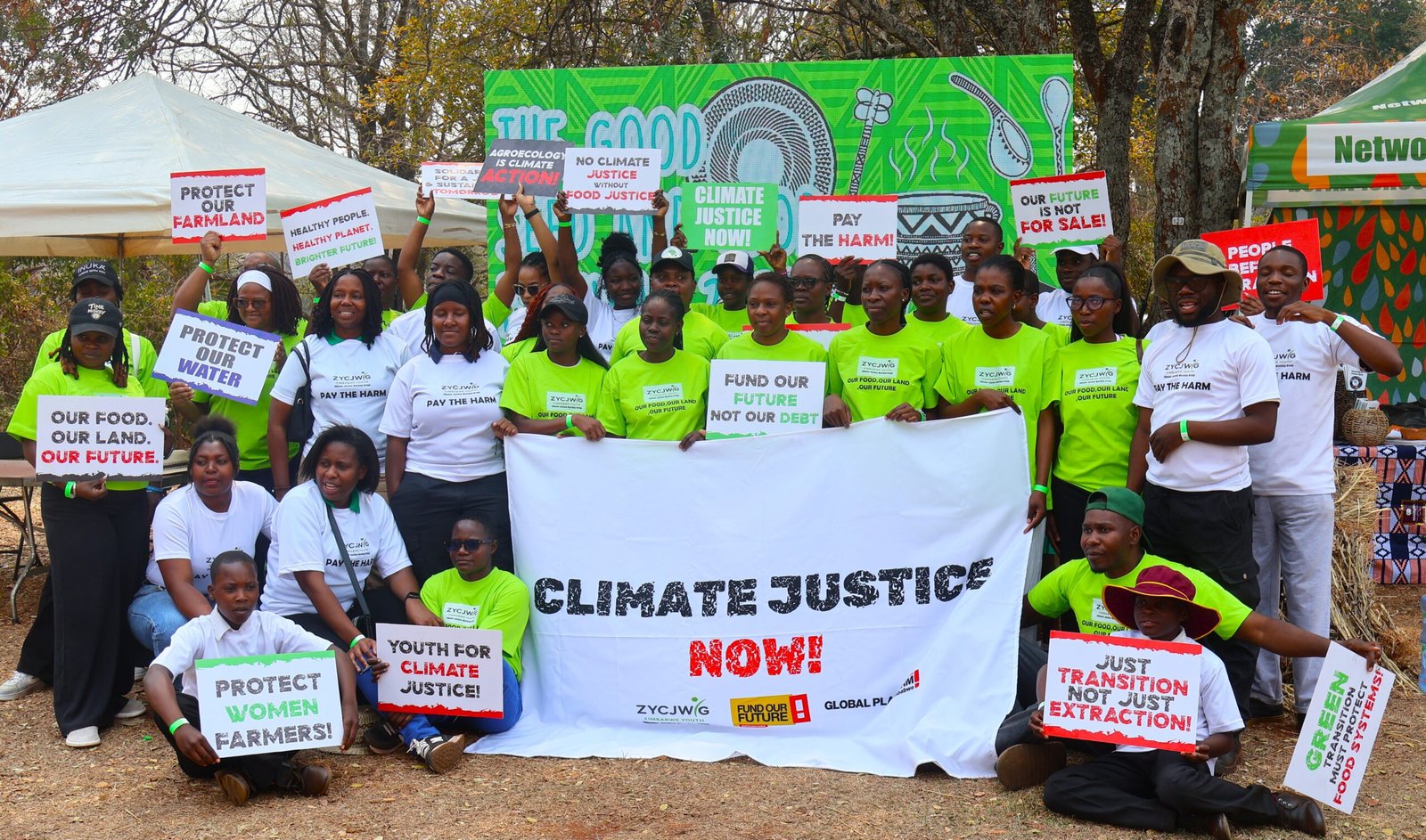
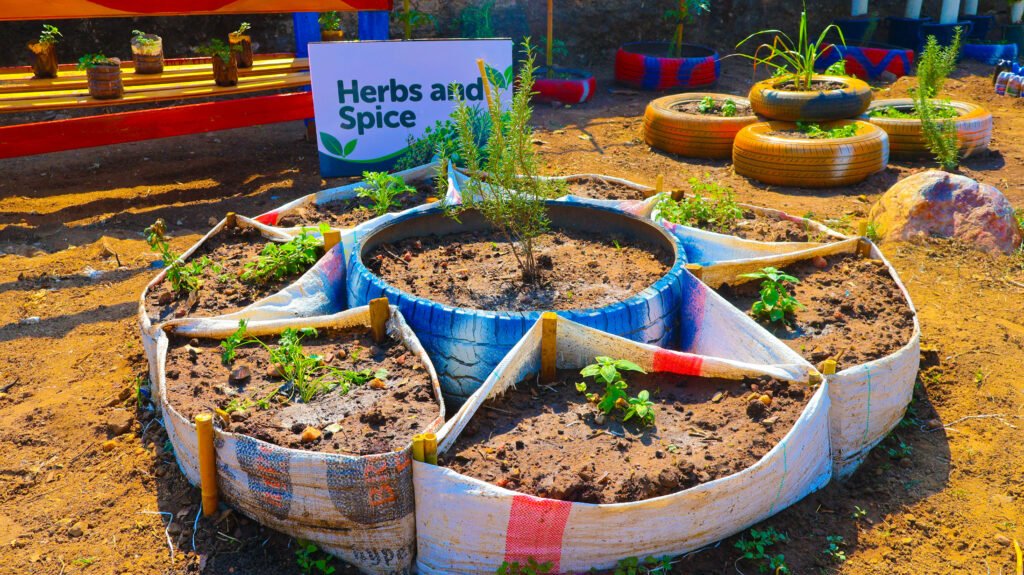
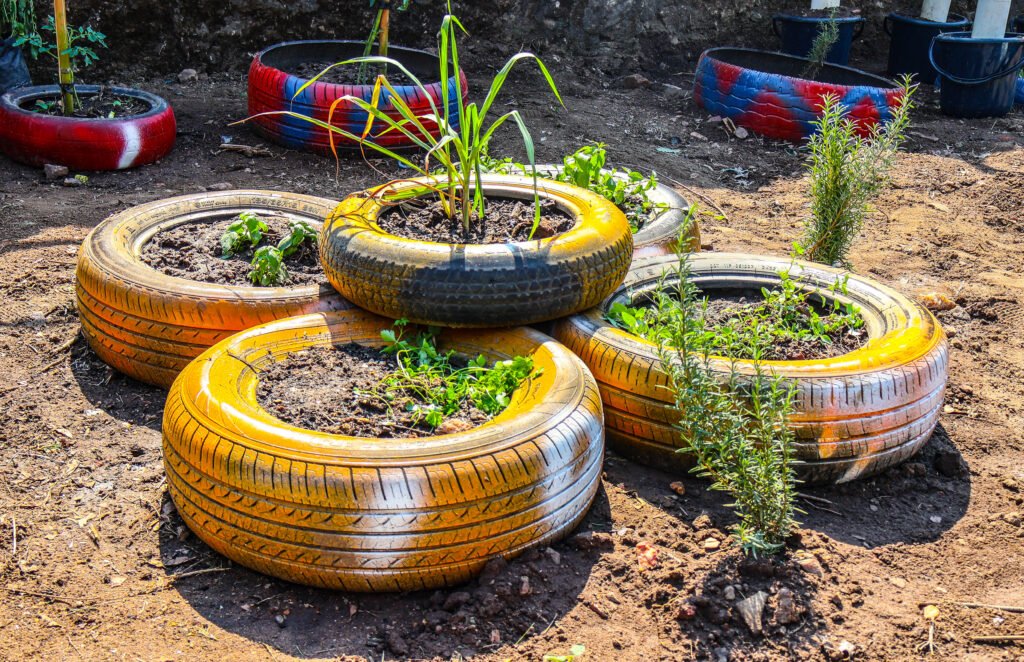
On a once-used hunting ground in Mutare’s Chikanga neighbourhood, tomatoes are growing, rainwater is being saved for another day, and waste is finding new life through recycling.
The land, which later became a farmhouse, is finding fresh purpose in the hands of young people exploring what farming could become.
Launched by Green Governance Zimbabwe under the Mwaka Climate Hub initiative, the facility brings young people into the search for practical answers to urban food and environmental challenges.
Green Governance director, Frank Mpahlo said, the starting point is giving young people somewhere to turn their ideas into workable solutions.
“The idea behind the establishment of this hub is to ensure that we build a facility for young people to innovate, to design solutions to the pressing climate change issues that communities in urban areas face today,” he said.
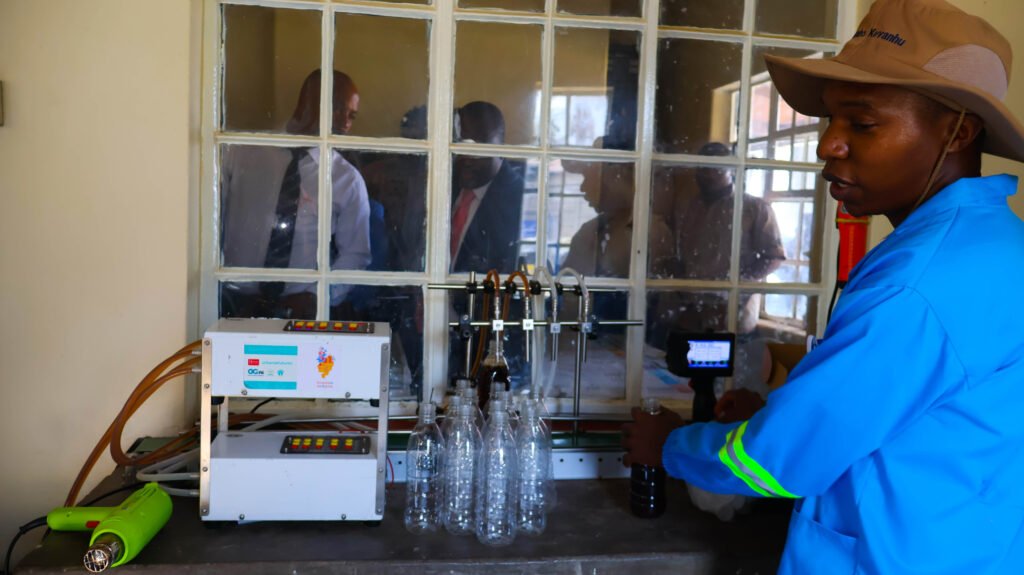

He says the hub creates space for them to develop responses to problems ranging from water management and urban agriculture to wetland restoration. The ambition is to connect their creativity with the everyday needs of a more resilient Mutare.
“This could be challenges around water management, urban agriculture, even wetlands restoration. The idea is to then bring together young people to be able to coalesce and ideate around what can be done to ensure that we are able to institute a more climate resilient and sustainable city,” Mphalo said.
Mpahlo says urban food systems face overlapping problems, including waste, excessive consumption and production methods that place pressure on the environment.
The hub aims to help young innovators explore ways to produce and use food more sustainably, while reducing emissions.
“At the centre of this intervention is the issue of food systems, given that in urban areas there is food waste, there is overconsumption of food, there is also production of food using various methods.”
“The idea is to then transform all those methods into something that is more sustainable and that is low carbon.”
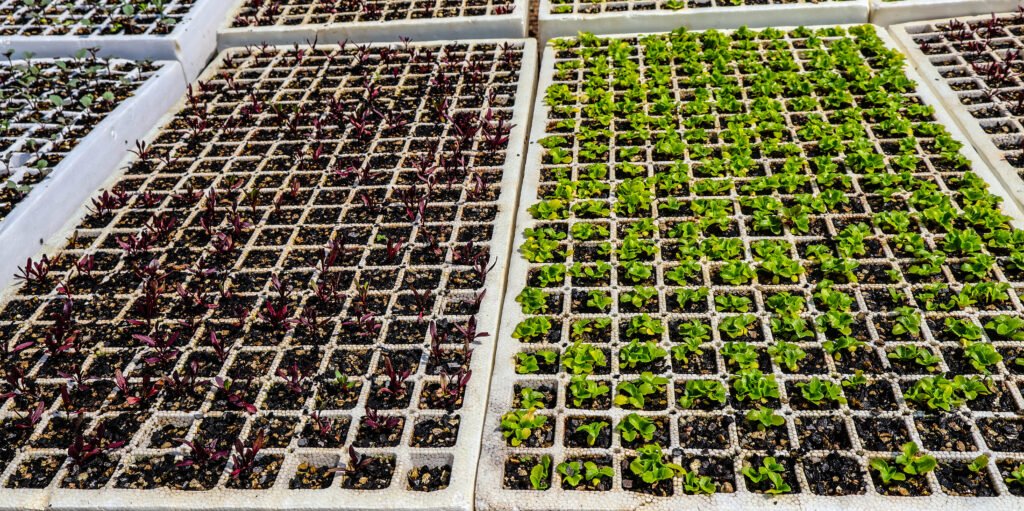
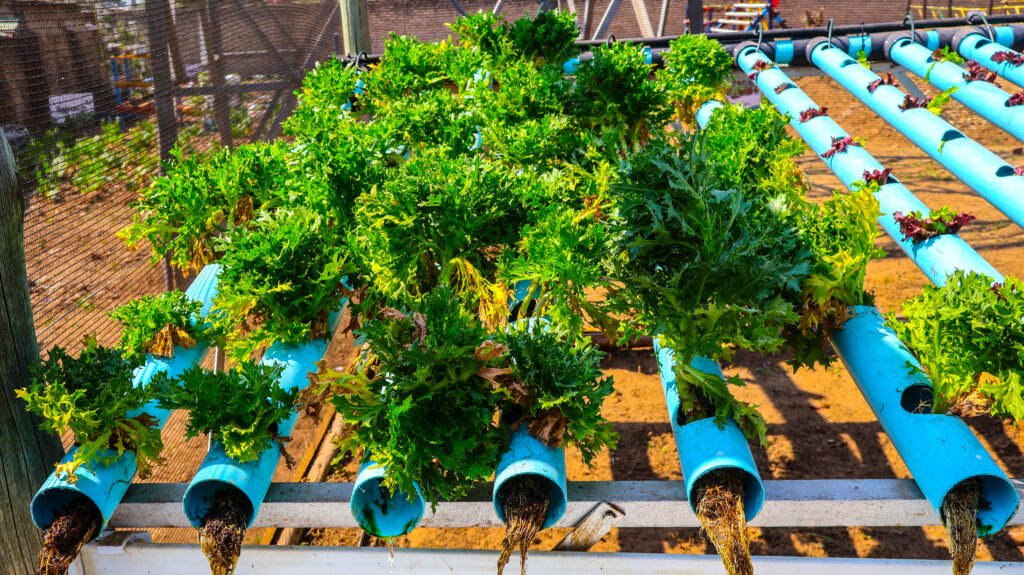
“Young people coming through to the Mwaka Innovation Hub to design methods of reducing food waste, also innovating around vertical agriculture, which are urban agriculture mechanisms which have been tried and tested. We see hydroponics as some of the methodologies that are being tried by young people, validation as well of healthier food options being tried at the Mwaka Hub,” he added.
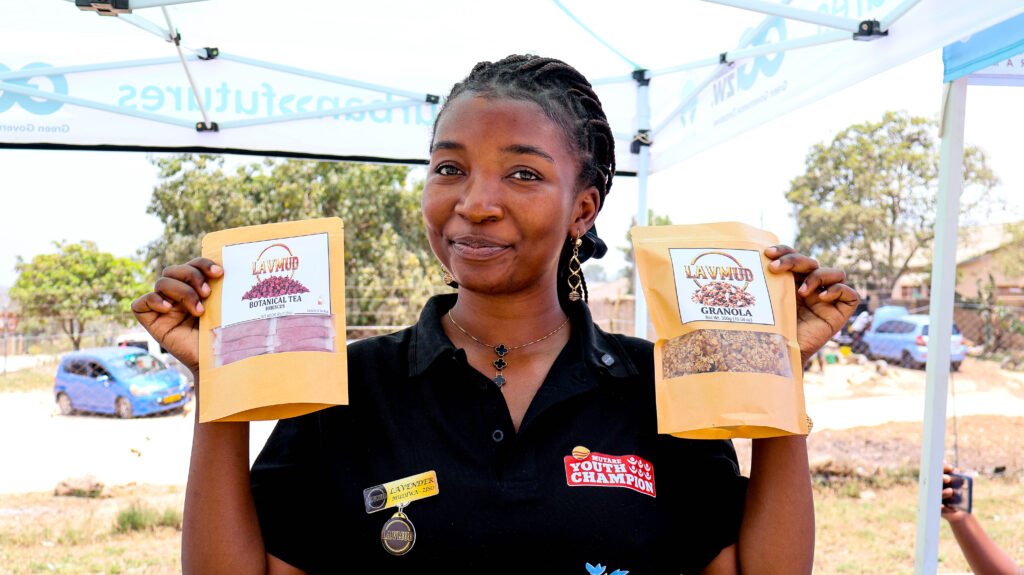
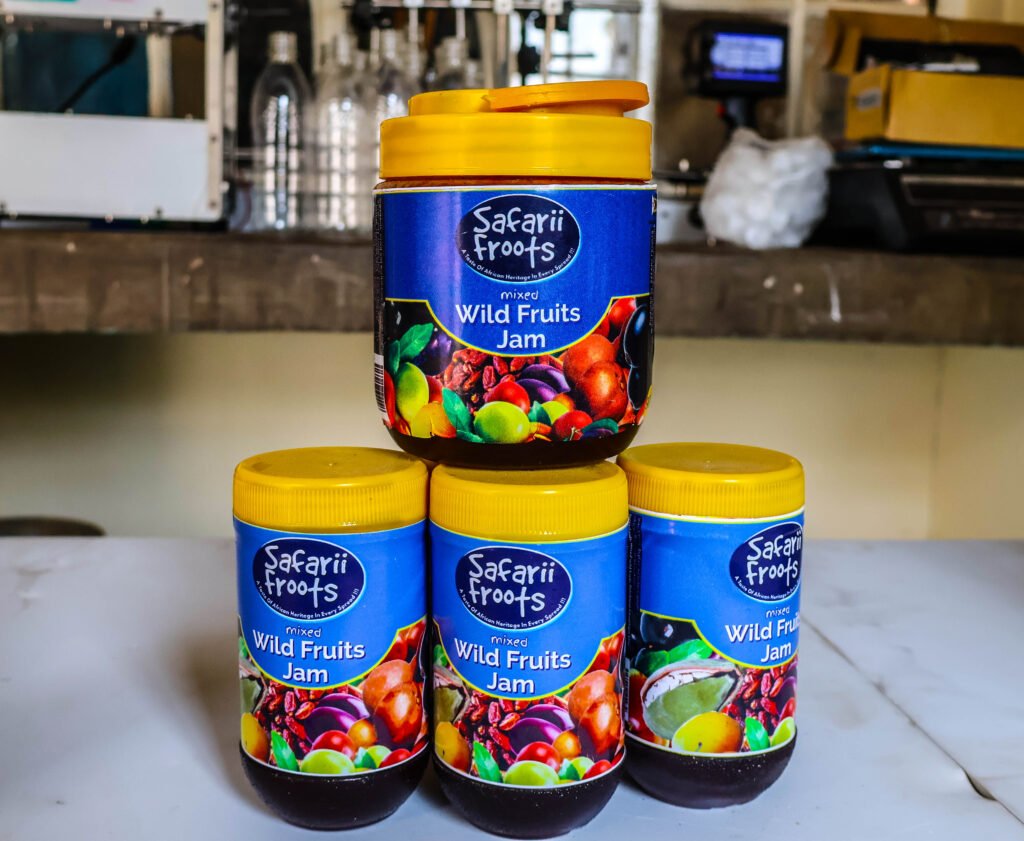
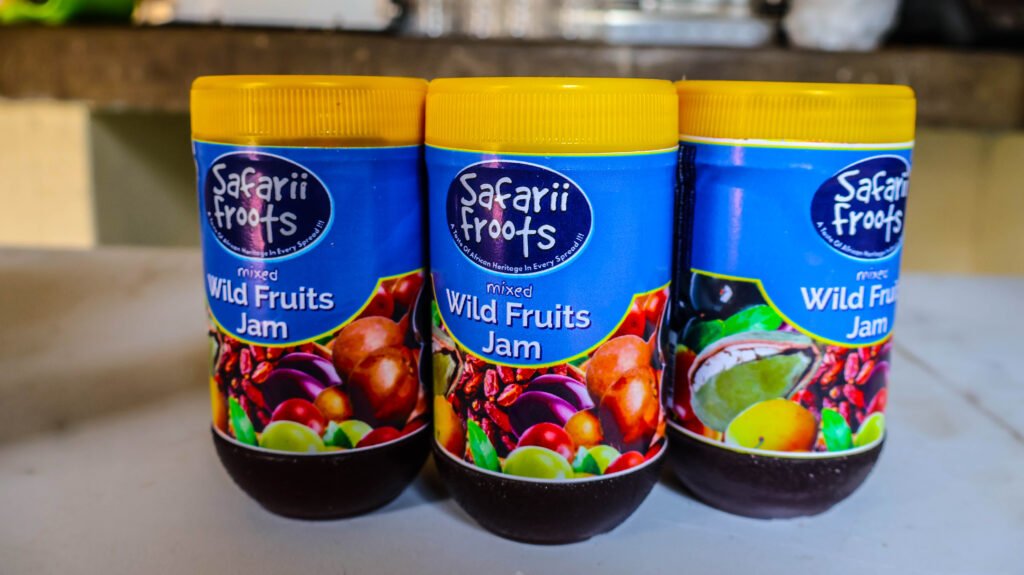
The activities extend beyond cultivation. Jam and indigenous drink production offer opportunities to turn agricultural produce into goods with greater commercial value. The intention is for the site to become both a learning space and a starting point for enterprise.
But growing a crop is only part of earning a living from it. Producers also need somewhere to sell.
Mutare Mayor, Simon Chabuka has welcomed the initiative and pledged to help participating young people access designated trading spaces for their produce.
He linked that commitment to the government’s Chenesa programme, which encourages vendors to operate from approved sites.
“We welcome this initiative because it gives young people an opportunity to turn farming into a source of livelihood. As a city, we will work to ensure that the youth have designated areas where they can sell the produce grown at the hub.
“Through the government’s Chenesa programme, vendors are encouraged to sell their products in designated spaces, and we want young farmers to benefit from these opportunities.”
The hub’s emerging growers, that promise could provide a connection between what they learn and what they earn.
The Mayor also believes young people have a key role to play in climate adaptation, citing their creativity, energy and determination as critical to addressing climate challenges.
“Our greatest resource in adapting to climate change is not found in complex machinery, but in the boundless creativity, energy, and bold determination of our young people.”
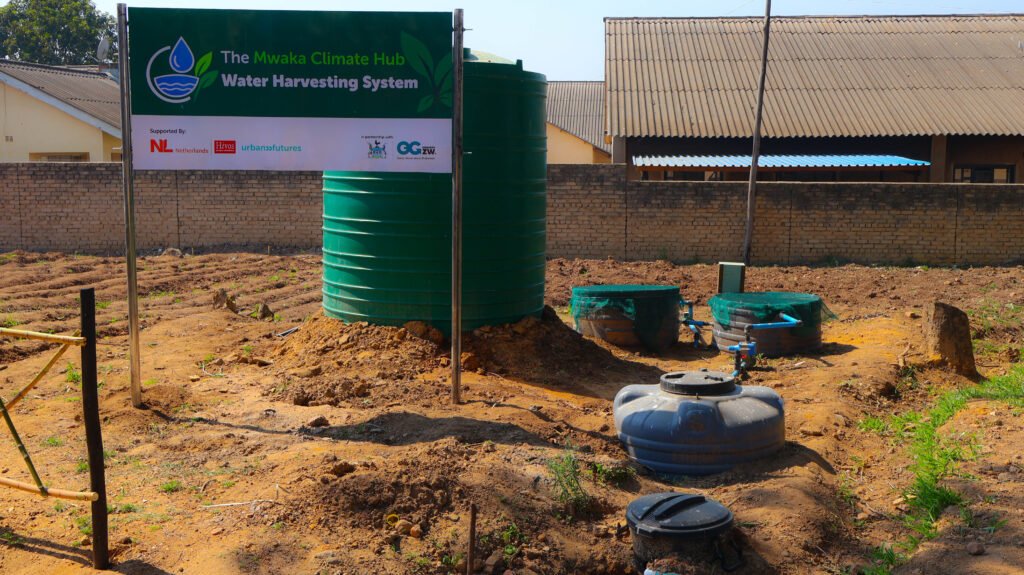
Chabuka commended the hub’s water conservation efforts, saying rainwater harvesting and storage could help sustain irrigation as rainfall becomes increasingly unreliable. Waste separation and composting, he added, offer practical ways to protect the local environment and make better use of discarded material.
“The hub is promoting water conservation and harvesting, helping young people manage water sustainably for irrigation, particularly as climate change and drought risks increase.”
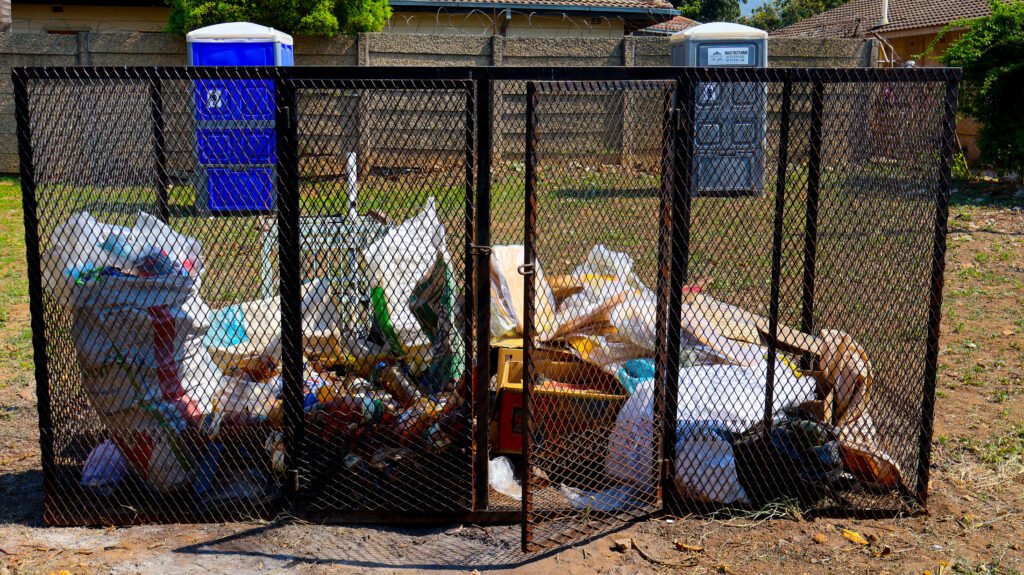
“They are also separating waste and making compost, practices that help protect the environment, reduce waste and support climate change mitigation,” he added.
The hub is being developed through a partnership involving Green Governance, Manica Youth Assembly and Simukai Child Protection Programme, with support from Hivos.
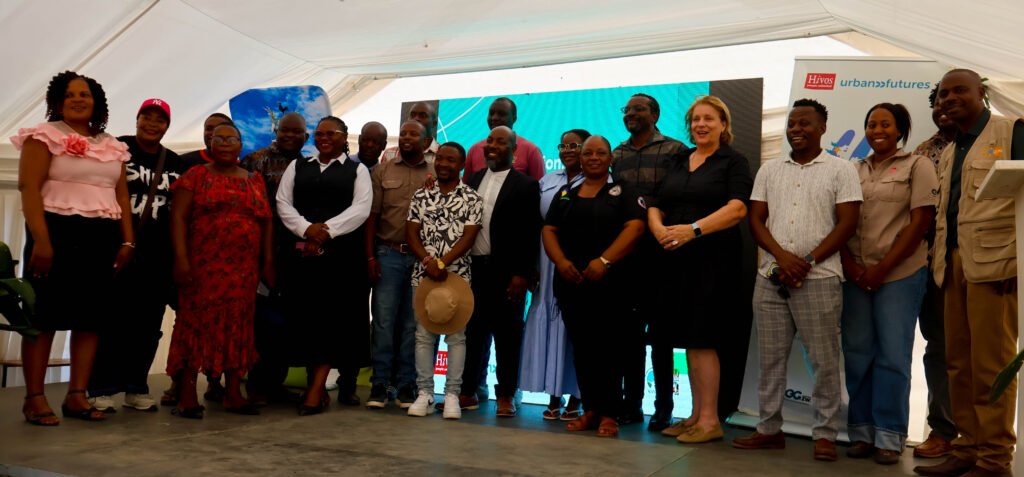
The wider ambition is to develop ideas locally that young people can adapt in their own backyards and communities.
Hivos Portfolio Manager for Africa, Joy Mabenge says the climate crisis requires practical responses that help people sustain their lives while protecting the natural systems on which they depend.
He said that communities need support to adapt even as demands continue for major polluters to take responsibility for the damage they cause.
“In fact, because of the climate crisis that we have, we must have systems that allow human beings to coexist with nature, but also to accept that the circumstances we are in, even as we take corrective measures, even as we expect those that are the heavy polluters to pay, we must do something in between to ensure that human life is preserved, people continue to survive,” he said.
Hivos Global Head of Programmes Tanja Lubbers says the Mwaka Innovation Hub is designed to put young people at the centre of developing solutions to climate challenges.
“The biggest idea here is that, in an urban setting, we begin to see young people being drivers of innovation, drivers of change,” she says.
Lubbers says the innovations developed at the hub can be replicated in communities across Zimbabwe and beyond, while digital technology offers further opportunities for youth-led climate solutions.
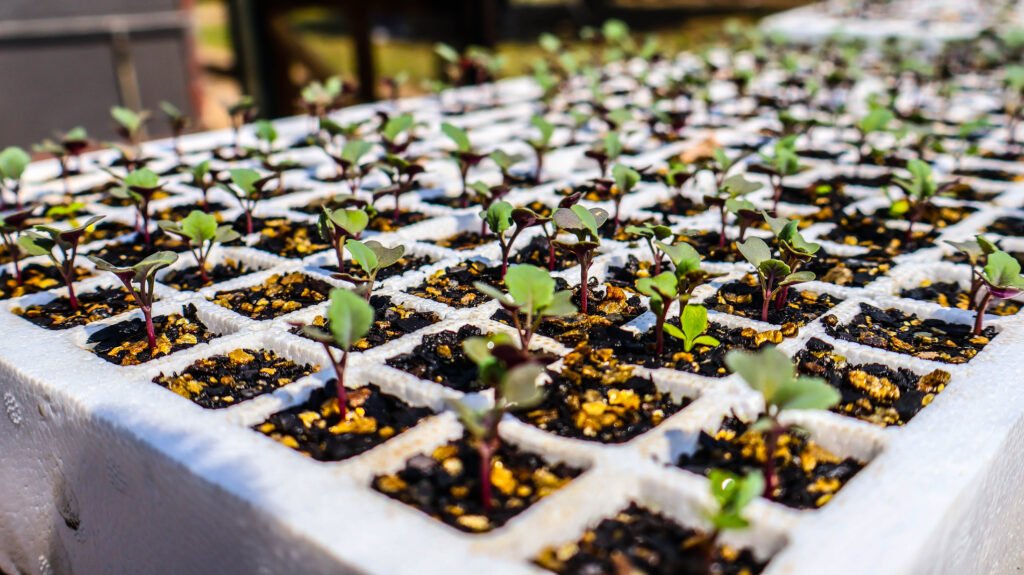
“The hub will bring about economic empowerment in the youth, because it’s innovative, it’s practical, and the youth get to do something and get to be the drivers of change through smart agricultural practices and also climate-friendly agricultural practices,” she says.
The Urban Futures initiative includes four hubs across Zimbabwe and Zambia, located in Mutare, Bulawayo, Kitwe and Chongwe.