By Florence Kayungwa, Environment and Climate Journalist
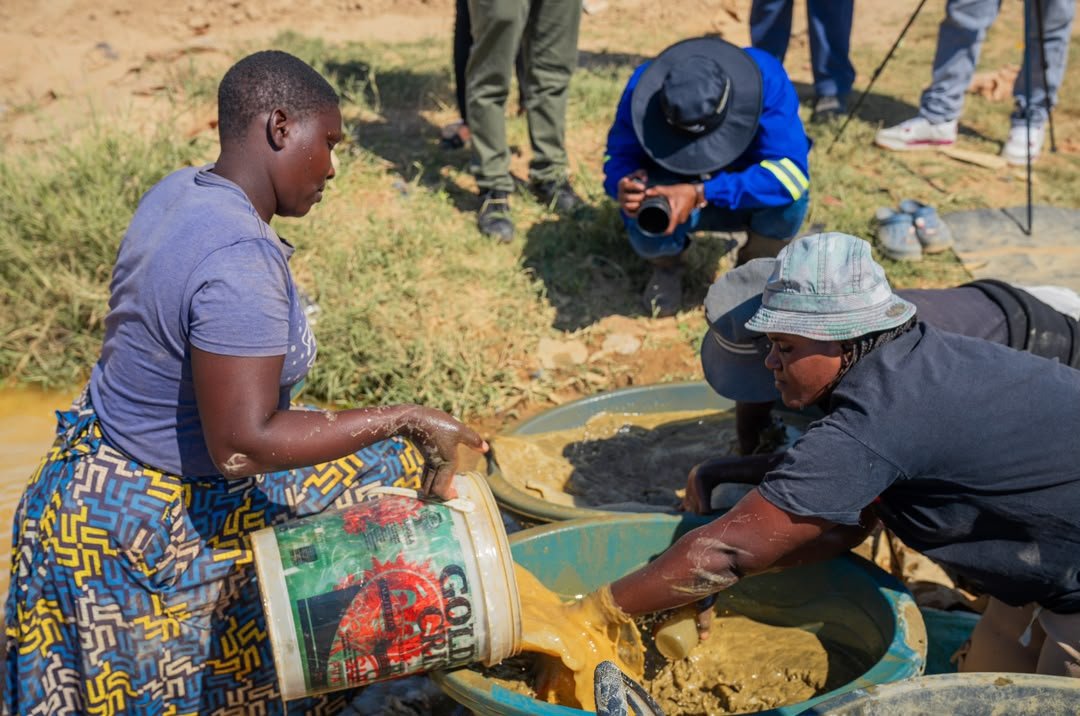
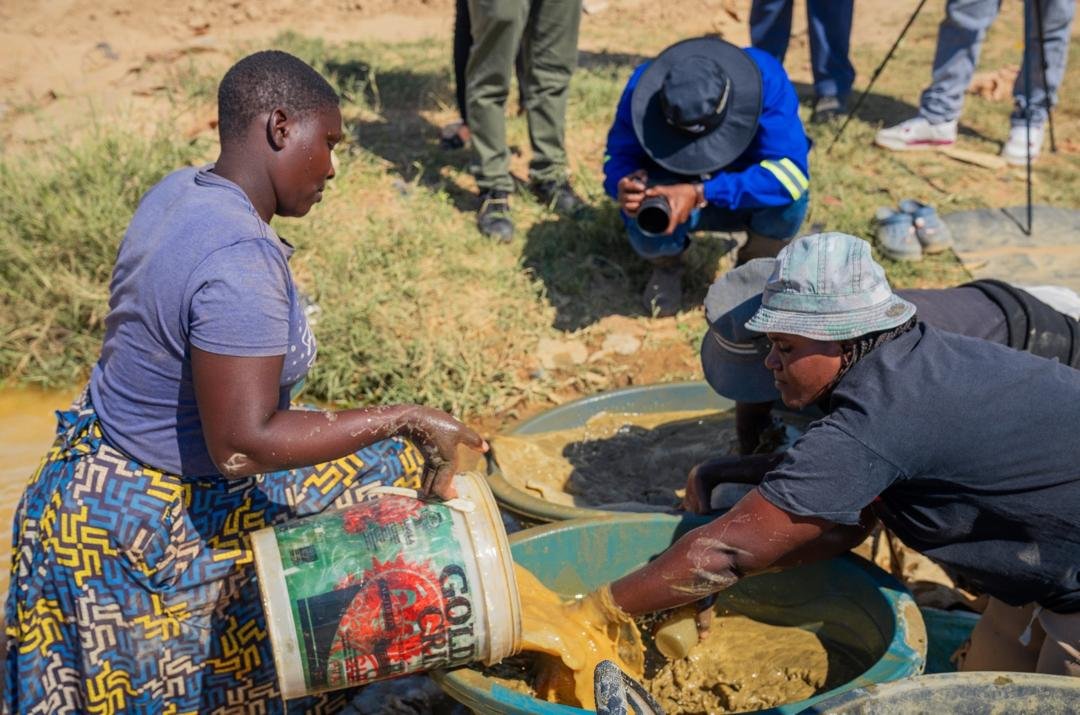
Zimbabwe is set to introduce mercury free gold processing technologies in eight districts as part of efforts to make artisanal and small scale gold mining safer for miners and the environment.
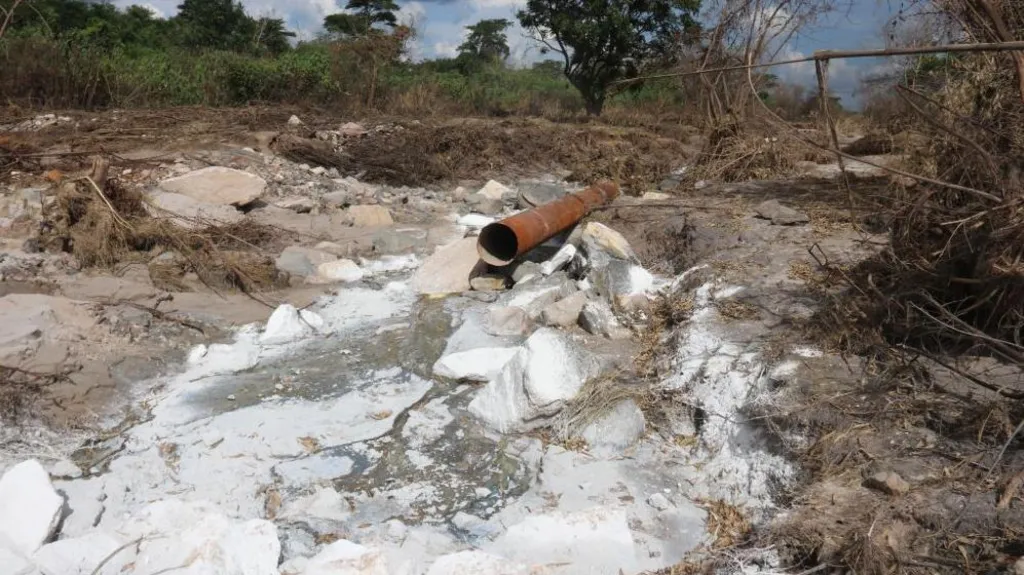
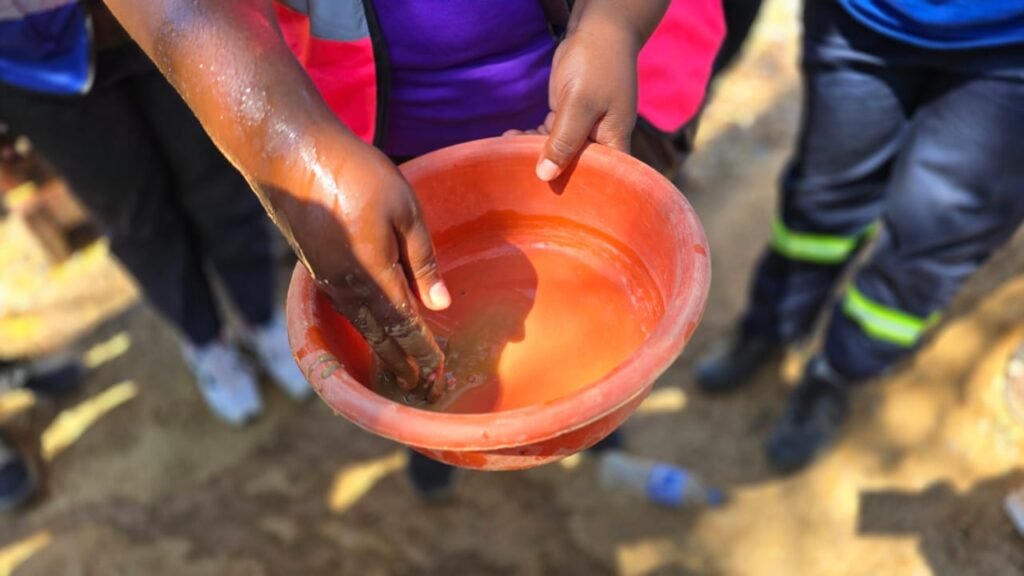
The planetGOLD Zimbabwe project is working to identify suitable technologies that can improve gold recovery while reducing the health and environmental risks associated with mercury, which is widely used by small scale miners.
Speaking at a press briefing in Harare on Friday, ahead of the planetGOLD Zimbabwe Annual Stakeholders Conference scheduled for 28 and 29 October, the project’s Artisanal and Small Scale Gold Mining Technical Specialist, Mollin Siwella, said laboratory tests were underway to identify technologies suited to the different types of gold ore found in Zimbabwe.
She said ore samples had been collected from potential demonstration sites, with the results expected to guide the purchase and installation of equipment.
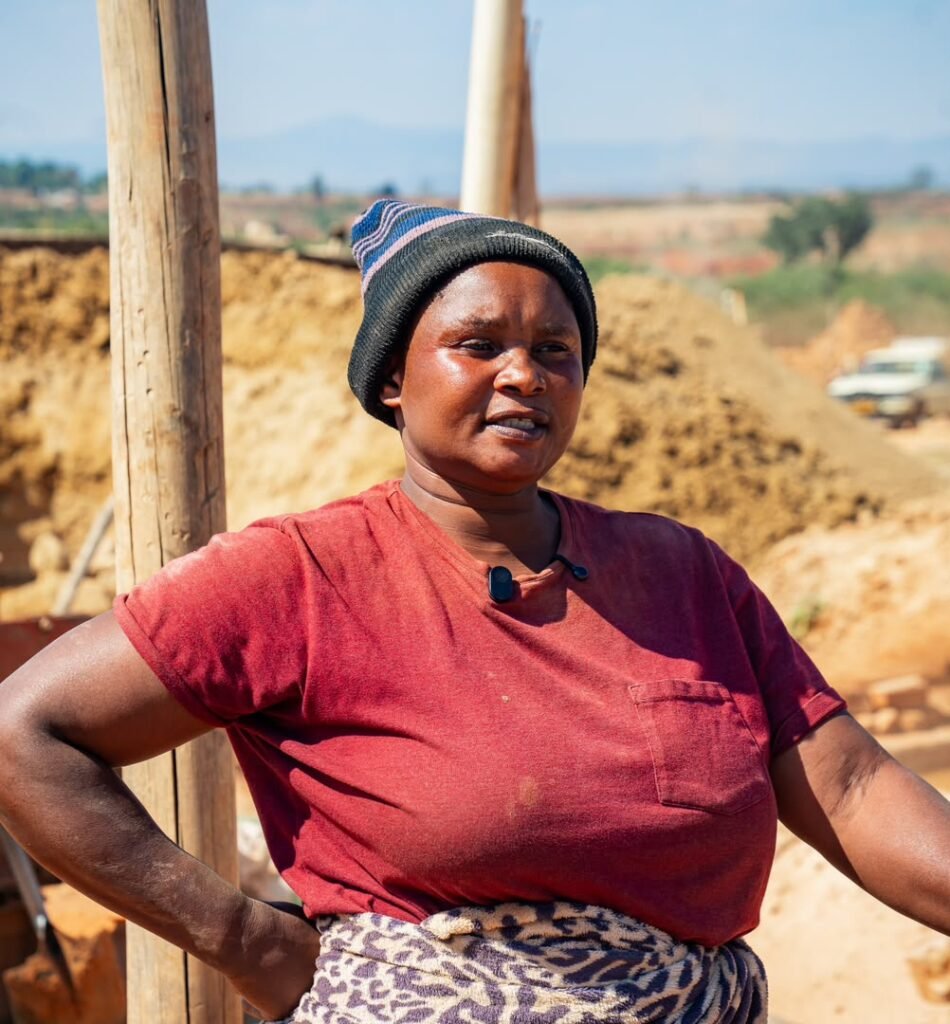
Siwella said one of the main challenges was finding alternatives that miners could afford and use without difficulty. While many miners were aware of the dangers of mercury, she said, the lack of readily available alternatives continued to make it difficult for them to change their practices.
She said the equipment must be affordable and practical for small scale miners, rather than machinery designed for large mining operations.
Mercury remains an attractive option for many miners because it is relatively cheap and easy to use, making it important for the project to provide alternatives that fit their working conditions.
The equipment will also need to serve miners in remote areas where there is no access to the national electricity grid. Siwella said the project planned to work with local fabricators to manufacture the machinery, which could help make the technologies more accessible.
Although awareness campaigns have been conducted to educate miners about the dangers of mercury, she said the limited availability of suitable alternatives remained a major barrier to reducing its use.
The project also plans to establish a mining academy where miners will receive training in gold processing, environmental management, occupational health and safety.
The five year initiative is supported by the Global Environment Facility, led by the United Nations Environment Programme and implemented by IMPACT in partnership with the Ministry of Mines and Mining Development and the Ministry of Environment, Climate and Wildlife.
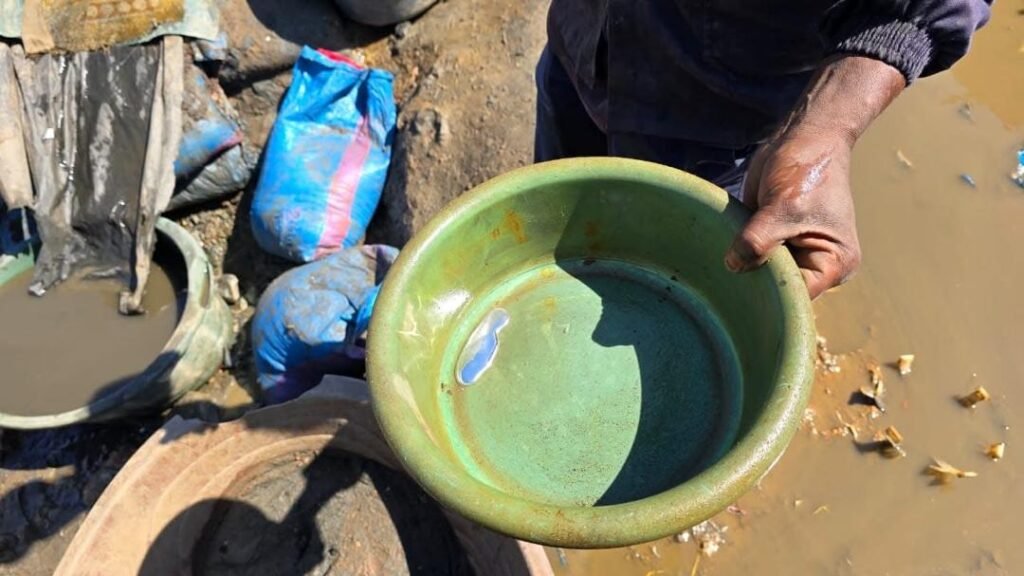
It aims to reduce mercury use by 4.85 tonnes, support more than 7,500 men and women across 11 project districts, and improve the management of about 76,000 hectares of land.
The planned introduction of mercury free processing technologies will be among the issues discussed at the planetGOLD Zimbabwe Annual Stakeholders Conference, which will take place in Harare on 28 and 29 October.
Running under the theme, “Unlocking Responsible Gold in Zimbabwe: Transforming Formalisation, Financing and Technology for a Mercury-Free ASGM Sector”, the conference will bring together government institutions, miners, financial institutions, development partners, civil society organisations and technical experts.
A guide on formalisation is also expected to be launched at the conference to help address barriers that prevent artisanal and small scale miners from operating formally.
Discussions will focus on improving miners’ access to finance, promoting safer gold processing methods and strengthening sustainable mining and landscape management.