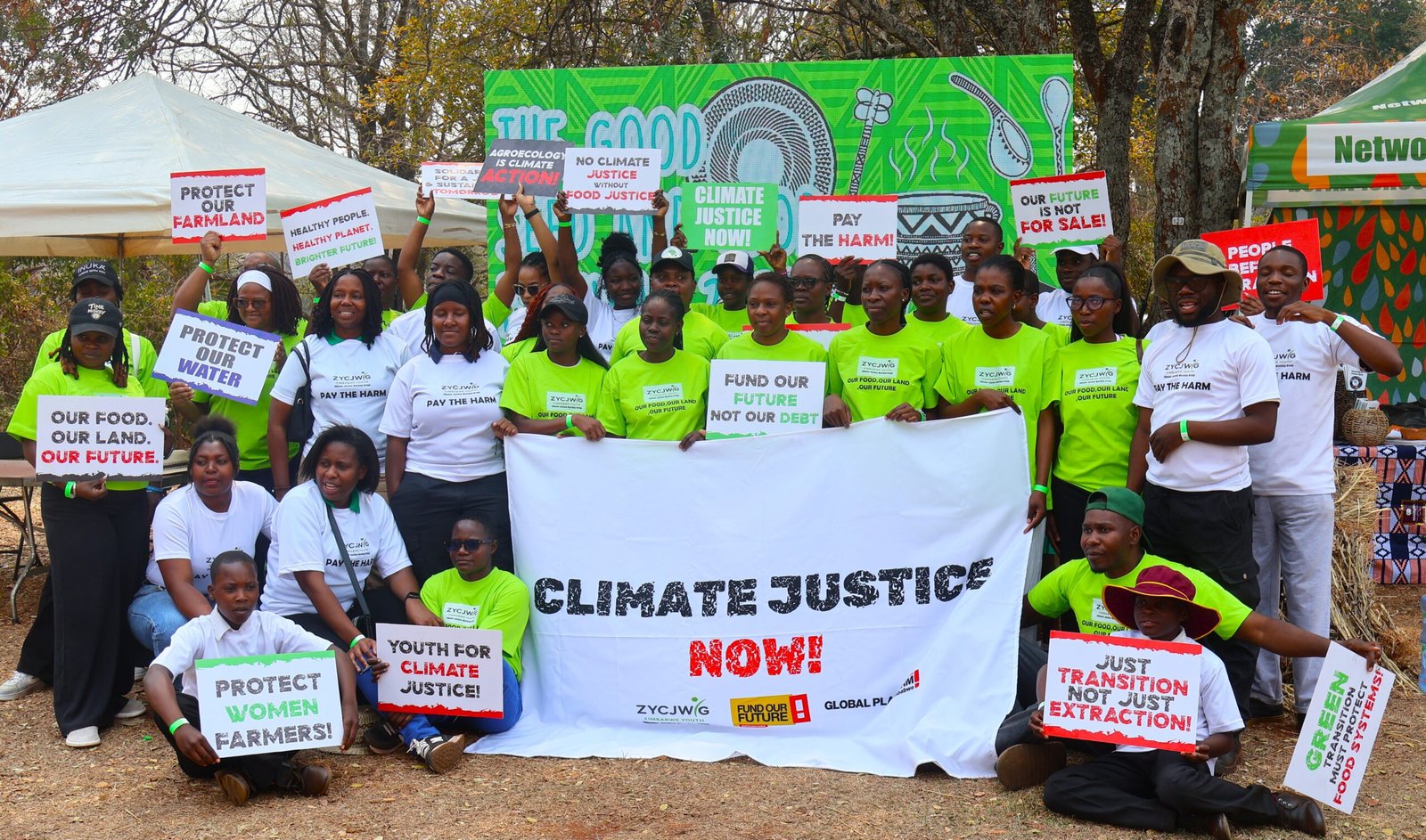
Zimbabwe’s climate commitments must be measured by what changes in people’s lives, a senior government official has told a national youth conference, warning against giving young people international visibility while their priorities receive little attention at home.
During the Local Conference of Children and Youth [LCOY] on Climate Change, Acting Permanent Secretary in the Ministry of Environment, Climate and Wildlife, Mr Washington Zhakata said government commitments must be judged by their impact on communities.
“The effectiveness of our national climate response will not be measured solely by the policies we formulate or the commitments we make at international conferences,” he said.
“It will ultimately be measured by the extent to which these translate into improved resilience, sustainable livelihoods and opportunities for our people, particularly children and young people.”
The conference was convened to develop and validate a National Children and Youth Climate Statement of Recommendations ahead of COP31, the United Nations climate summit.
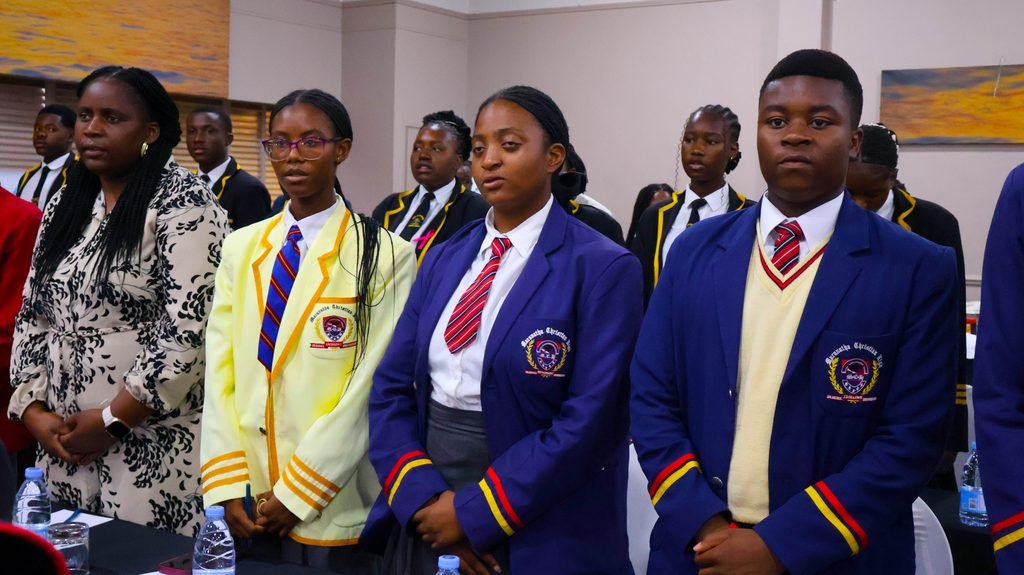
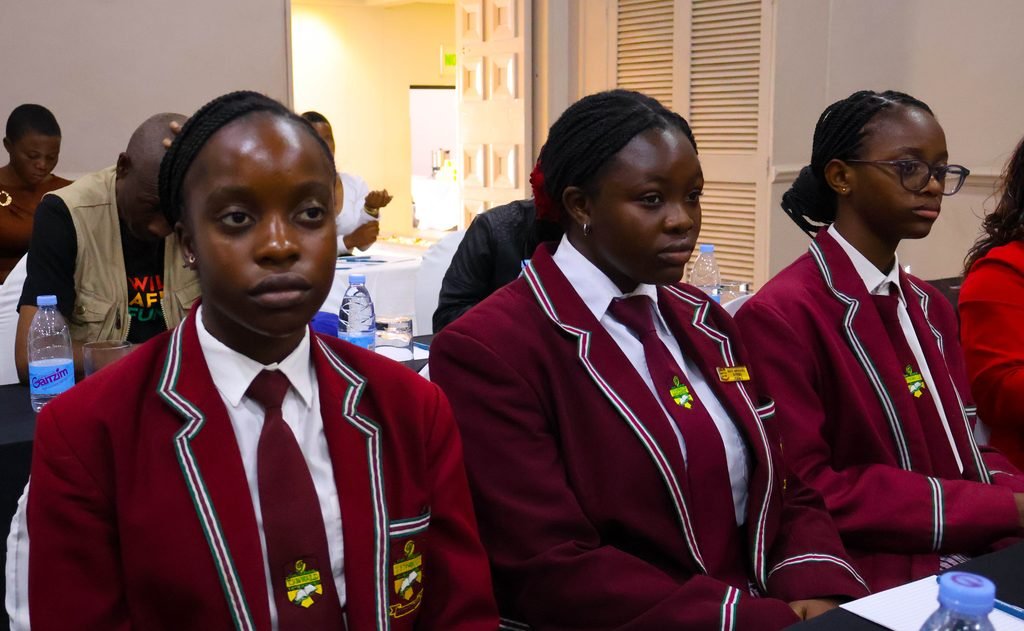
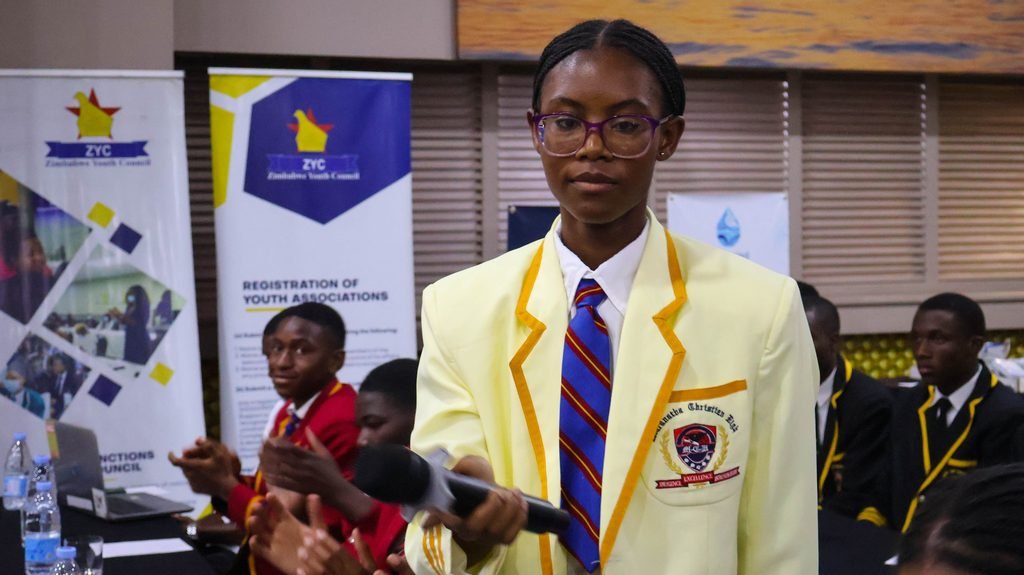
Drawing on consultations across Zimbabwe’s ten provinces, the statement is intended to bring young people’s experiences into climate policymaking.
But Zhakata cautioned against allowing international recognition to overshadow domestic responsibilities.
“We must avoid a situation where youth climate priorities receive international visibility but limited attention within domestic policy implementation.”
He said the statement should also guide national climate planning, programmes and engagement with stakeholders.
Zimbabwe’s climate challenges vary across communities. Zhakata cited drought-prone Beitbridge and Tsholotsho, alongside flood-exposed Chimanimani and Chipinge, arguing that policy must respond to local conditions.
“These impacts are neither uniform nor equally distributed,” he said.
“These realities underscore the importance of climate policies that are evidence-based, geographically responsive and inclusive of local knowledge.”
Zhakata called for recommendations that identify practical solutions, responsible institutions and the resources needed to deliver results.
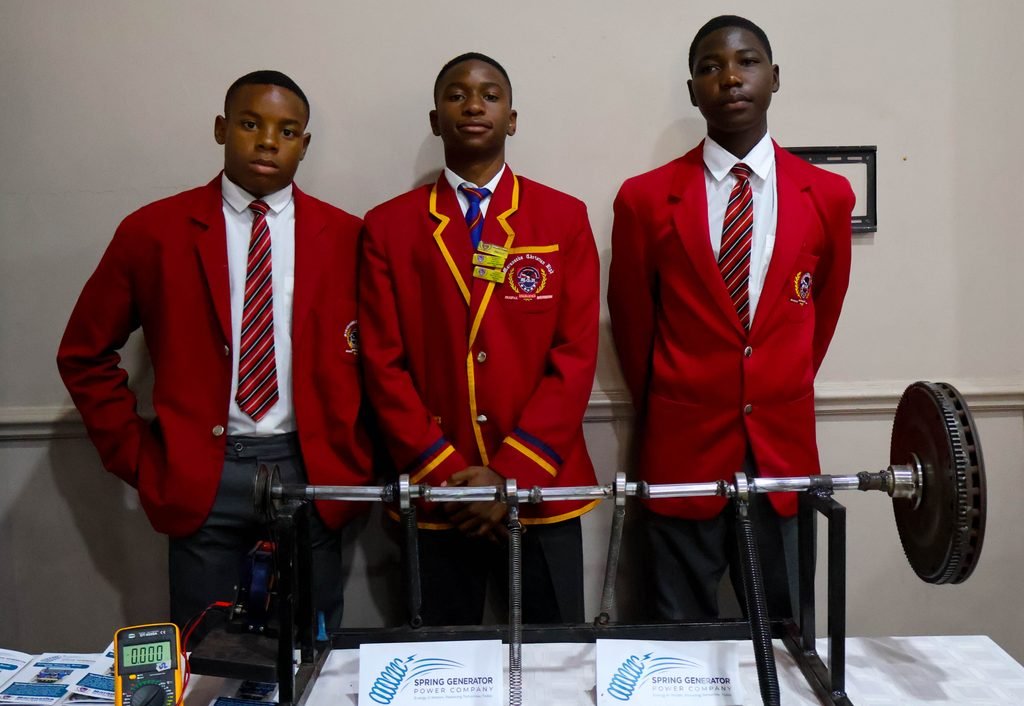
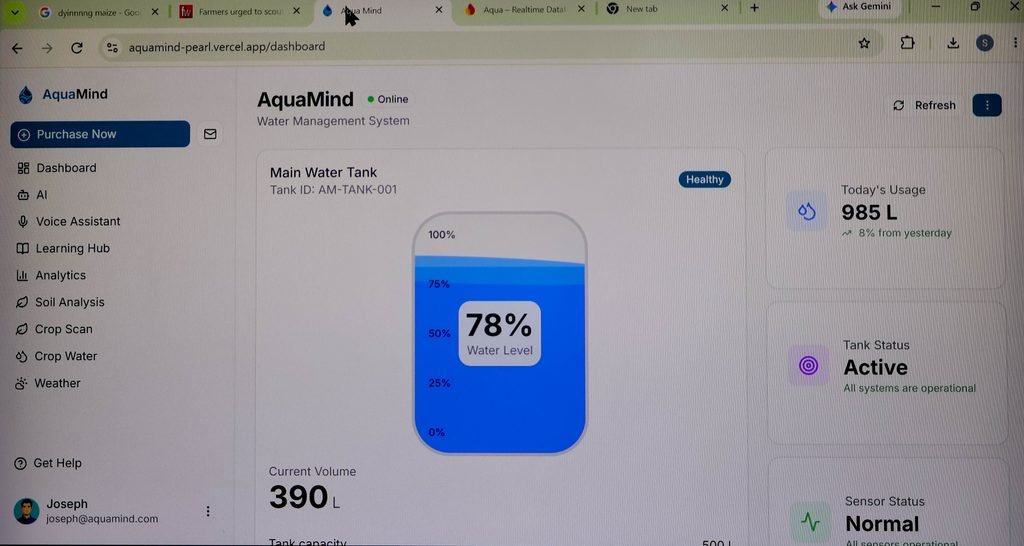
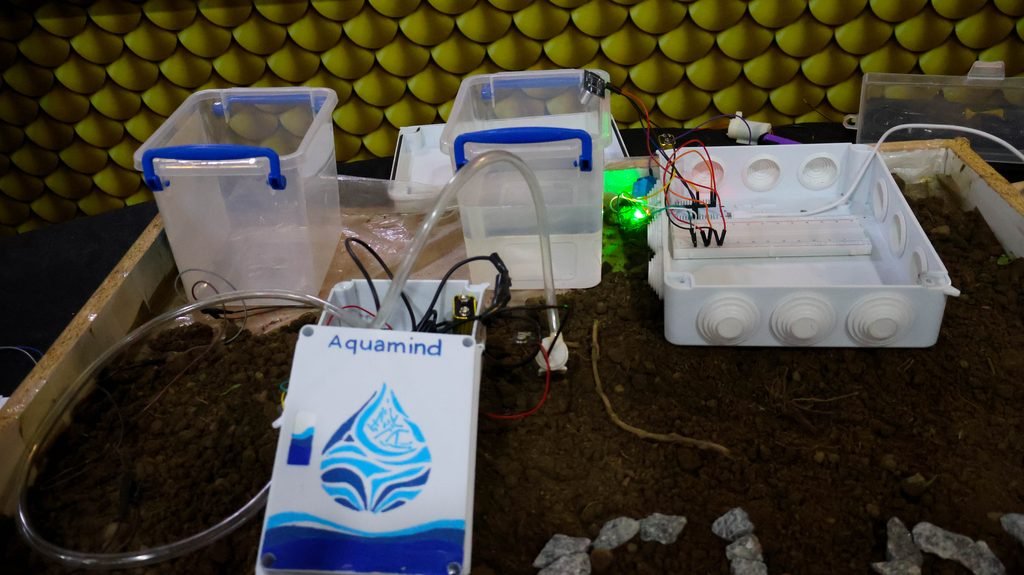
“The value of this Statement will, however, depend on the clarity, relevance and practicality of its recommendations.”
He outlined five priorities: adaptation and disaster risk reduction, accessible climate finance, green skills and employment, inclusive governance, and climate education.
“Climate finance must become more accessible and responsive to local needs, including supporting innovative, youth-led climate solutions,” he said.
He also called for sustained mechanisms through which children and young people could contribute to planning, implementation and monitoring.
LCOY Zimbabwe is a national youth climate consultation process under YOUNGO, the official children and youth constituency of the UNFCCC. Insights gathered from young people across the country are being consolidated into the Zimbabwe National Youth Statement, which will inform discussions at the Africa Conference of Youth (AfCOY) and shape youth engagement ahead of COP31.